
Maintaining the structure of your shrubs through regular pruning is a hallmark of professional horticulture. You must understand that a well-timed cut does more than just control the size; it stimulates new growth and ensures the health of the plant. A dense, overgrown currant is more prone to disease and produces far fewer berries than a well-managed one. This guide covers the essential techniques and timing for pruning your golden currants to keep them in peak condition.
The importance of structural pruning
Structural pruning is about creating a strong and healthy framework that can support the weight of the plant and its fruit. You should focus on removing any branches that are crossing, rubbing, or growing inward toward the center of the shrub. These problematic limbs can cause physical damage to the bark and restrict the airflow that is so vital for preventing disease. A clear, open structure is the foundation of a long-lived and productive golden currant bush.
Regular pruning also allows you to manage the age of the wood, which is critical for consistent fruit production. Since the best berries are grown on two- and three-year-old stems, you should aim to remove a portion of the oldest wood every year. This constant renewal process keeps the plant young and vigorous, preventing it from becoming a tangled mass of unproductive stems. It is a proactive approach that ensures your garden remains at its best for decades.
You should also use your pruning shears to remove any diseased, damaged, or dead wood as soon as you see it. This “sanitation pruning” prevents the spread of pathogens and keeps the plant’s energy focused on its healthy parts. Making clean cuts just above a strong outward-facing bud helps the shrub heal quickly and grow in the right direction. A professional gardener is always looking for ways to improve the health and appearance of their plants.
Finally, structural pruning helps you keep the shrub within its allotted space in your garden design. While golden currants have a natural, somewhat wild habit, you can still shape them to fit a more formal landscape if you wish. By directing the growth and controlling the height, you create a garden that feels intentional and well-cared for. Pruning is one of the most powerful tools you have for expressing your vision for your agricultural or garden site.
More articles on this topic
Best timing for maintenance cuts
The best time to perform your major annual pruning is in the late winter or very early spring while the plant is still dormant. You can clearly see the structure of the branches without the leaves in the way, making it much easier to decide where to cut. Pruning during dormancy also minimizes the stress on the plant and allows it to heal its wounds just as the spring growth begins. Timing your work with the natural cycle of the plant is a sign of a professional.
You can also do light maintenance trimming throughout the growing season to keep the shrub looking its best. If you notice a rogue branch that is growing out into a path or shading another plant, it is perfectly fine to snip it off. However, you should avoid heavy pruning in the late summer, as this can encourage new growth that won’t have time to mature. Staying in tune with the seasons ensures that your interventions are always helpful and never harmful.
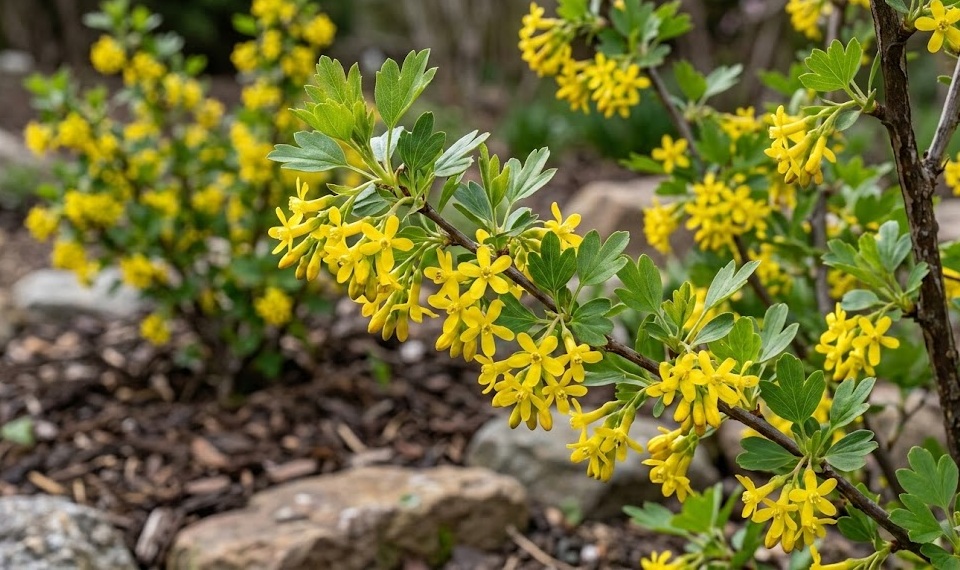
Pruning after the flowering stage is a good option if your primary goal is to maintain the ornamental shape of the shrub. This allows you to enjoy the full display of yellow blossoms before you start thinning out the branches for the year. By waiting until the flowers fade, you also avoid accidentally removing the wood that carries the current season’s fruit. This specialized timing is often used in landscape settings where the spring show is the top priority.
In areas with very cold winters, you might want to wait until the worst of the freezing weather has passed before you do your main pruning. This ensures that any winter-kill on the tips of the branches is visible and can be removed in one go. It also prevents any fresh pruning cuts from being exposed to extreme drying winds and deep freezes. A careful, weather-dependent approach is always the best way to manage your valuable garden assets.
More articles on this topic
Techniques for thinning and shaping
Thinning is the process of removing entire stems from the base of the plant to improve light penetration and airflow. You should aim to have a mix of one-, two-, and three-year-old stems to ensure a continuous and productive life cycle. Removing the oldest, darkest-colored wood each year is the best way to perform this rejuvenation of the shrub. This technique keeps the plant from becoming too dense and helps maintain a healthy balance of growth.
Heading cuts involve shortening a branch back to a specific bud or a smaller side branch to control the length. You should always cut at a slight angle away from the bud to allow water to run off and prevent rot from setting in. This type of pruning is great for encouraging more branching and creating a denser, more compact shrub. It is a more detailed form of shaping that allows you to fine-tune the appearance of your currants.
Always use sharp, high-quality tools to ensure that your cuts are clean and don’t tear the delicate bark of the plant. Dull blades can crush the stems and create jagged wounds that take much longer to heal and are more prone to infection. You should also clean your tools with alcohol or a mild bleach solution between each plant to maintain good garden hygiene. Professional results require professional tools and a commitment to keeping them in top condition.
Don’t be afraid to be a bit bold with your pruning, as the golden currant is a very resilient and fast-growing plant. If a shrub has become completely overgrown and unproductive, you can even cut the entire thing back to within a few inches of the ground. This “rejuvenation pruning” will cause a flush of new growth that can be properly managed from the start. Knowing when to be gentle and when to be aggressive is a skill that comes with years of professional experience.