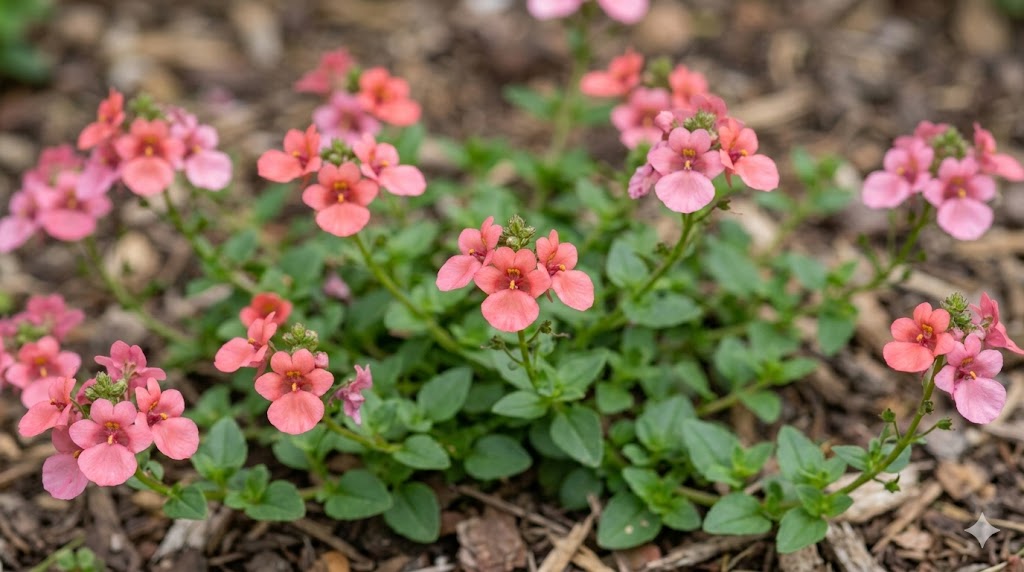

The art of pruning is a vital skill for any gardener who wishes to maintain the shape, health, and productivity of their floral collection. For these vigorous and often sprawling plants, regular intervention with a pair of shears can prevent them from becoming messy and can significantly extend their blooming period. By understanding when and how to remove old growth, you can stimulate the plant’s natural regenerative processes and ensure a high-quality display for many months. This article provides a professional overview of the techniques required to manage the structural development of these charming flowers.
The art of deadheading
Deadheading is the process of removing faded or dead flowers before they have a chance to develop seeds, and it is the most frequent pruning task you will perform. When a flower is allowed to set seed, the plant shifts its energy from reproduction to offspring development, which often results in a decrease in new flower production. By clipping off the spent blossoms, you “trick” the plant into continuing its flowering cycle in an attempt to fulfill its biological mission. This simple act of maintenance is the most effective way to keep your garden looking fresh and vibrant.
To deadhead correctly, you should cut the flower stem back to the first set of healthy leaves or to a point where a new bud is already starting to form. Avoid simply pulling the old flowers off with your fingers, as this can tear the delicate stems and create an entry point for disease. Using a small, sharp pair of snips or garden scissors allows for a clean cut that heals quickly and looks much neater. It is a relaxing task that can be done every few days as you walk through your garden, and the results are immediately visible.
In addition to encouraging more flowers, deadheading also improves the overall hygiene of the plant by removing old tissue that could harbor mold or attract pests. Faded flowers often become slimy when wet, which can lead to botrytis or other fungal issues that spread to the healthy parts of the foliage. Keeping the plant “clean” through regular deadheading is a key part of an integrated approach to plant health. It also allows you to inspect the plant closely on a regular basis, which helps in the early detection of any other potential problems.
While it may seem like a lot of work for a large planting, the effort is well worth it for the extended season of beauty it provides. For those with limited time, focusing your deadheading efforts on the most visible plants in containers or near the front of a border will yield the greatest aesthetic return. Even a partial deadheading is better than none at all, as it still reduces the overall seed load on the plant. Mastering this basic technique is the first step toward professional-level care for this species.
More articles on this topic
Mid-season rejuvenation pruning
Around mid-summer, it is common for these plants to start looking a bit tired, with long, leggy stems and fewer flowers at the tips. This is often caused by the natural aging of the stems or the accumulated stress of the summer heat and high production levels. When this occurs, a more drastic approach known as rejuvenation pruning is required to restore the plant’s vigor. By cutting the entire plant back by about one-third or even one-half, you stimulate a fresh flush of growth from the base and the lower leaf axils.
This pruning should be done with a pair of sharp, clean shears to ensure that the cuts are clean and do not crush the stems. Do not be afraid of the “drastic” appearance of the plant immediately after the pruning; as long as the plant is healthy and well-watered, it will respond quickly. Within a week or two, you will see new, vibrant green shoots emerging, and within a month, the plant will likely be covered in a fresh layer of flowers. This technique essentially “resets” the plant’s clock and prepares it for a strong performance in the late summer and autumn.
The best time to perform this rejuvenation is right after a major flush of flowers has finished and the plant is starting to look sparse. It is also beneficial to provide a dose of liquid fertilizer immediately after pruning to support the rapid development of the new growth. Ensuring that the plant is well-hydrated during the following week is also critical, as the loss of so much foliage can temporarily disrupt its water balance. This proactive management prevents the “mid-summer slump” that often affects less-tended gardens.
For trailing varieties in hanging baskets, this pruning is especially important for maintaining a full and mounded shape. Without regular cutting back, the stems can become very long and bare at the top, with all the flowers concentrated at the very ends. By pruning at different lengths, you can encourage a more layered and voluminous appearance that looks much more professional and attractive. This structural management is what separates an average hanging basket from a truly spectacular one.
More articles on this topic
Tools and hygienic practices
The quality of your pruning tools and the way you maintain them are just as important as the techniques you use in the garden. For delicate stems like these, a small pair of floral snips or high-quality bypass pruners are the best choice. Bypass pruners work like scissors, with two sharp blades sliding past each other to create a clean, precise cut. Avoid using anvil-style pruners, which have one sharp blade that closes against a flat surface, as these tend to crush the soft tissues of the plant.
Keeping your tools sharp is essential for the health of the plant, as a dull blade will create jagged edges that take longer to heal and are more susceptible to infection. You can easily sharpen your own tools with a simple whetstone or a specialized sharpening tool designed for garden implements. A sharp tool also makes the work much easier and more enjoyable for the gardener, reducing hand fatigue and allowing for more precise work. Regular maintenance of your equipment is a sign of a professional and dedicated horticulturalist.
Disinfecting your tools between plants is a critical hygienic practice that prevents the accidental spread of viral, bacterial, and fungal diseases. A simple solution of one part bleach to nine parts water, or even a quick wipe with isopropyl alcohol, is enough to kill most common garden pathogens. This habit is especially important if you are pruning a plant that shows any signs of illness, but it is a good general practice for all your gardening tasks. It takes only a few seconds but can save your entire collection from a devastating outbreak.
Finally, always dispose of your pruning waste properly, especially if the material shows signs of disease or pest infestation. Do not add diseased material to your home compost pile, as the temperatures reached in most domestic systems are not high enough to kill the pathogens. Instead, place this waste in your municipal green bin or dispose of it in the trash to ensure it is removed from your garden permanently. By following these professional standards for tool care and hygiene, you protect the health and beauty of your landscape for years to come.