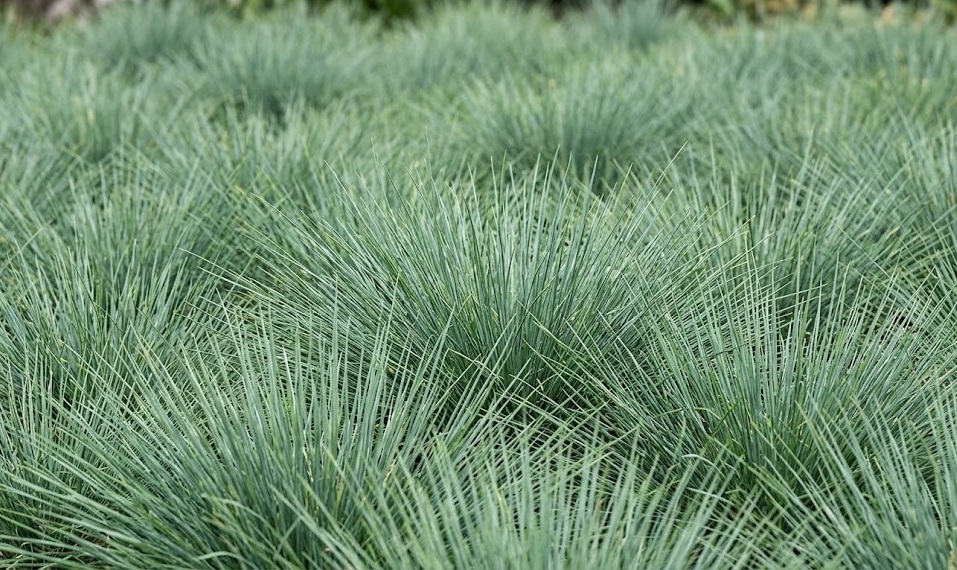

Planting this specific grass requires a careful approach to timing and soil preparation to ensure successful establishment in your garden. You should begin by selecting a site that offers the right balance of light and drainage for these hardy plants. This species is an excellent choice for stabilizing slopes or filling in areas where more demanding grasses might fail. By following a professional planting guide, you can create a durable and attractive green cover that lasts for years.
Site selection and soil preparation
The first step in your planting journey is finding the perfect location that matches the biological needs of the grass. You should look for an area that receives adequate sunlight but can also handle some partial shade throughout the day. Check the drainage of the site by observing how quickly water disappears after a heavy rain shower. Avoiding spots where water tends to sit for long periods is essential for preventing root issues later on.
Preparing the soil is a task that you should never rush if you want professional results in your garden. You must remove all existing weeds and debris from the area to eliminate competition for the young seedlings. Tilling the ground to a depth of several inches will loosen the soil and improve its overall structure. This process allows the new roots to penetrate the earth easily and establish a strong foundation.
Adding soil amendments based on a recent soil test can significantly improve your chances of success during planting. You might need to incorporate lime to adjust the acidity or organic compost to boost the nutrient levels. Mixing these materials thoroughly into the top layer of the soil ensures they are available to the plants right away. A well-prepared seedbed is the most important factor in achieving a uniform and healthy lawn.
Finally, you should level the surface of the soil to create an even area for sowing or planting. Use a wide rake to break up any large clumps of earth and smooth out any small hills or holes. A firm but not compacted surface provides the ideal environment for the seeds to make good contact with the ground. Taking the time to get the surface perfectly flat will make mowing and maintenance much easier in the future.
More articles on this topic
Sowing techniques and timing
Timing is everything when it comes to sowing the seeds of this resilient and beautiful grass species. You should aim to plant in either the early spring or the early autumn when the temperatures are mild. These seasons provide the consistent moisture and moderate warmth that the seeds need to germinate quickly. Avoid sowing during the extreme heat of summer or the deep cold of winter for the best results.
Distributing the seeds evenly across the prepared ground is a skill that requires a steady hand and some patience. You can use a broadcast spreader to ensure a consistent application rate across the entire area of the lawn. It is often helpful to divide the seeds into two portions and spread them in perpendicular directions to avoid gaps. Achieving the right seed density is crucial for developing a thick and competitive turf from the very beginning.
Once the seeds are on the ground, you should lightly rake the area to cover them with a thin layer of soil. You only need to bury them about a quarter of an inch deep to protect them from birds and drying out. Using a light lawn roller after raking can help press the seeds into the soil for better contact. This simple step significantly improves the germination rate and ensures a more uniform start for your new lawn.
Keeping the soil consistently moist during the germination period is your most important responsibility as a gardener. You should mist the area lightly several times a day to prevent the surface from becoming dry and hard. Be careful not to use a heavy stream of water that could wash away the seeds or create puddles. Within a few weeks, you will see the first delicate green shoots emerging from the earth.
More articles on this topic
Propagation through division methods
If you already have established clumps of this grass, you can use division as a cost-effective way to expand your lawn. You should choose healthy, vigorous plants that have reached a mature size before attempting to divide them. This process is best performed in the early spring just as the new growth is starting to appear. Using this method allows you to create new plants that are genetically identical to your successful original ones.
To begin the division, you should carefully lift the entire clump out of the ground with a sharp garden spade. Try to keep as much of the root ball intact as possible to minimize the shock to the plant. You can then use a knife or the edge of the spade to split the clump into smaller sections. Each new piece should have a healthy set of roots and several green shoots to ensure it survives.
Replanting the divisions immediately is crucial to prevent the exposed roots from drying out in the air. You should place them in pre-dug holes at the same depth they were growing before the division. Firm the soil around the roots with your hands to remove any air pockets that could cause problems. Watering the new transplants deeply right after planting helps them settle into their new home quickly.
Managing the newly divided plants requires a bit more attention during their first few weeks of growth. You should monitor their moisture levels closely and provide some temporary shade if the weather is particularly sunny. Once you see new green leaves appearing, it is a sign that the roots have established themselves successfully. Division is a rewarding way to multiply your favorite plants while keeping the original clumps healthy and productive.
Post planting care and establishment
The first few months after planting are a critical time for the long-term health and survival of your grass. You should avoid walking on the new lawn until the plants have reached a height of several inches. This protection allows the young roots to anchor themselves firmly in the soil without being disturbed by pressure. Patience during this phase will result in a much stronger and more resilient turf in the future.
Gradually reducing the frequency of watering will encourage the roots to grow deeper into the search for moisture. You should move from light, frequent misting to deeper, less frequent irrigation as the plants mature. This strategy helps the grass become more drought-tolerant and better prepared for the challenges of summer. Always observe the plants for any signs of wilting, which indicates they might need a little extra help.
Mowing for the first time is an exciting milestone, but it must be done with great care and precision. You should wait until the grass is about one-third taller than your target height before taking the mower to it. Ensure that the blades of your mower are extremely sharp to avoid pulling the young plants out of the ground. Cutting only a small amount at a time prevents stress and encourages the grass to spread out.
As the lawn becomes established, you can start to incorporate a light fertilization routine to support its growth. You should choose a balanced fertilizer that provides the necessary nutrients without causing an excessive surge of growth. Following a professional maintenance schedule will help your new planting transition into a mature and beautiful landscape feature. Your careful efforts during the establishment phase will be rewarded with a lush green space for many years.