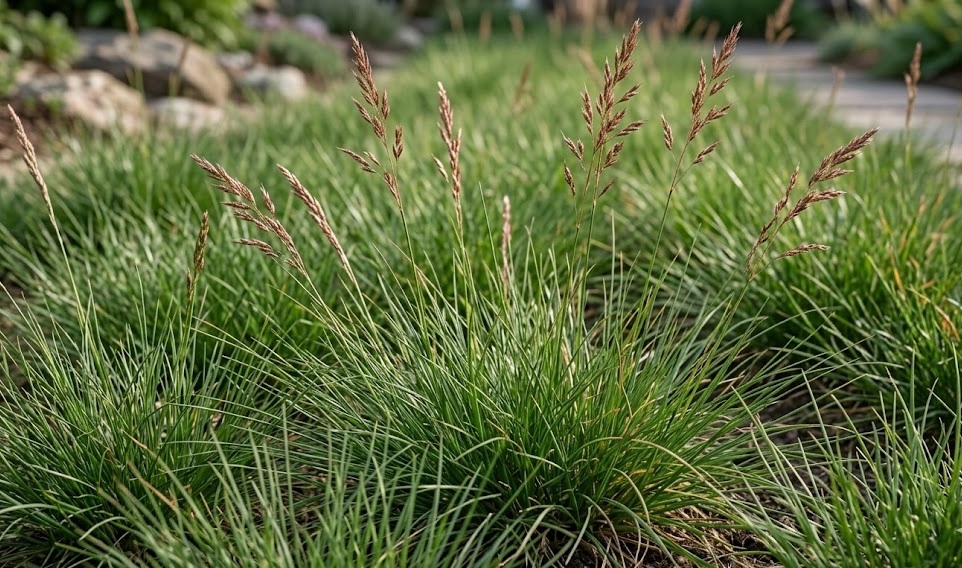

Preparing red fescue for the winter months is a vital task that ensures the survival and vigor of your lawn in the coming spring. While this grass species is naturally hardy and adapted to cool climates, it still faces significant stresses during the dormant season. A professional overwintering strategy involves a combination of late-season care and protective measures. By taking the right steps in the autumn, you can guarantee a lush and green return once the temperatures begin to rise again.
The dormancy period is not a time when the grass is completely inactive, but rather a phase of survival and conservation. Beneath the surface, the roots continue to function at a slow rate, and the plant stores energy for the future growth spurt. You must respect this biological state by minimizing any physical or chemical stress on the lawn. A well-prepared lawn can withstand deep freezes and heavy snow without suffering significant permanent damage.
Environmental factors like frost heave, ice formation, and winter desiccation are the primary threats during the cold months. Understanding these physical processes allows you to mitigate their effects through proper gardening techniques. You should aim to enter the winter with a lawn that is clean, healthy, and physically strong. The effort you put in during the fall will pay dividends when the first warm days of spring arrive.
Safety and protection are the themes of winter lawn care, both for the plants and for the people using the space. You should develop a set of rules for how the lawn is treated when the ground is frozen or covered in snow. Minimizing interference allows the fescue to remain in its protected state without being shattered or suffocated. A professional approach to overwintering is as much about what you don’t do as what you do.
Hardiness and winter physiology of fescue
Red fescue is classified as a cool-season grass, meaning its biological peak occurs in the spring and autumn. This species has evolved several mechanisms to survive temperatures far below freezing without losing its viability. It produces specialized sugars and proteins that act as a natural antifreeze within its cellular structure. This internal chemistry prevents ice crystals from puncturing the cell walls and causing lethal damage.
More articles on this topic
During the late autumn, the plant begins to shift its energy from leaf production to root strengthening and carbohydrate storage. You can see this change as the growth rate slows and the color might take on a slightly darker or duller hue. This “hardening off” process is triggered by the decreasing day length and the cooling soil temperatures. It is a natural signal that the grass is preparing itself for the challenges of the upcoming dormant period.
The crown of the grass plant is the most critical part to protect during the winter months. This is the growth point located just at the soil surface from which all new leaves and roots emerge. If the crown survives, the plant can recover from almost any level of top-growth damage. Red fescue’s low-growing habit and dense tillering provide some natural insulation for this vital structure against the cold.
Understanding the limits of your specific fescue cultivar’s hardiness will help you manage your expectations. Some varieties are specifically selected for their extreme cold tolerance in northern regions, while others are more moderate. You should research the hardiness zone of your grass to ensure it is appropriate for your local climate. A professional gardener always matches the plant species to the environment for the best possible long-term results.
Preparing the lawn for the first frost
The final mow of the season should be performed with precision to set the grass at the ideal height for winter. You should aim for a height that is slightly shorter than your regular summer cut, typically around 4 to 5 centimeters. If the grass is too long, it can mat down under snow and create a perfect environment for snow mold. Conversely, cutting it too short can expose the sensitive crowns to extreme temperature fluctuations and physical damage.
More articles on this topic
Clearing the lawn of all fallen leaves and debris is an absolute requirement before the first snow arrives. A thick layer of leaves will suffocate the grass and trap moisture, leading to rot and fungal infections. You should use a light rake or a leaf blower to ensure the surface is completely clean and the grass can breathe. This simple task is one of the most effective ways to prevent spring diseases like gray or pink snow mold.
Applying a “winterizer” fertilizer in the late autumn provides the nutrients needed for root development during dormancy. This type of fertilizer is typically higher in potassium, which strengthens the cell walls and improves overall cold resistance. You should apply it while the grass is still green but has mostly stopped growing its top blades. This timing ensures that the nutrients are stored in the roots rather than being used for temporary and vulnerable new growth.
Aerating the soil in the fall can also help improve drainage and prevent ice from sitting directly on the grass surface. By allowing water to move more freely through the soil profile, you reduce the risk of frost heaving which can pull roots out of the ground. This mechanical treatment also ensures that oxygen can reach the roots even during the colder months. A well-aerated lawn is much more resilient to the physical stresses of the winter environment.
Managing snow and ice during dormancy
A layer of light, fluffy snow can actually act as an excellent insulator for your red fescue lawn. It protects the grass from the drying effects of cold winds and helps maintain a relatively stable temperature at the soil surface. You should generally leave natural snow cover undisturbed unless it becomes excessively heavy or compacted. This white blanket is nature’s way of protecting the delicate plants from the harshest winter conditions.
Ice is much more dangerous than snow because it can completely cut off the oxygen supply to the grass plants. If a layer of ice persists for more than a few weeks, the grass can suffer from anoxia and eventually die. You should avoid trying to mechanically break up thick ice on the lawn, as you will likely damage the frozen grass underneath. If drainage is good, the ice will eventually melt and drain away without causing long-term harm to the turf.
One of the biggest mistakes you can make is using salt or chemical de-icers near the edges of your fescue lawn. These substances can leach into the soil and cause severe salt burn or nutrient imbalances that will be visible in the spring. You should use sand or specialized pet-safe, plant-friendly grit for traction on nearby paths and driveways. Protecting the soil chemistry is a vital part of professional lawn management throughout the entire year.
Walking on the lawn when it is frozen or covered in frost should be strictly avoided whenever possible. When the grass blades are frozen, the water inside them is crystallized and brittle, making them very easy to shatter. Each footstep on a frozen lawn can break thousands of plant cells, leading to brown footprints that will persist until the grass starts growing again. Setting clear boundaries for traffic during the winter preserves the structural integrity of your turf.
Post-winter evaluation and early spring care
As the snow melts and the ground begins to thaw, you should perform a careful inspection of your lawn’s condition. Look for areas of matting, discoloration, or any signs of fungal activity that may have developed under the snow. Early detection of these issues allows you to take corrective action before the grass enters its rapid spring growth phase. This initial evaluation is the first step in your new year’s gardening cycle and sets your priorities.
If you find patches of snow mold, the best treatment is usually a gentle raking to fluff up the grass and improve airflow. This helps the area dry out quickly and stops the fungal growth without the need for harsh chemicals. In most cases, the grass will recover on its own as the temperatures rise and the sun begins to warm the soil. Patience is often the best tool for dealing with minor winter damage in a professional manner.
Avoid the temptation to start heavy maintenance tasks like mowing or fertilizing while the soil is still saturated and cold. Walking on soft, wet soil can cause deep ruts and significant compaction that will haunt you for the rest of the season. You should wait until the ground is firm enough to support your weight and the grass has clearly started to turn green. Nature follows its own timeline, and a professional gardener knows how to wait for the right moment.
Once the active growth begins, you can start your spring routine with a light raking to remove any remaining winter debris. This is also a good time to reassess your soil’s needs and plan for any overseeding or aeration that might be required. A successful overwintering process ends when the lawn is once again a vibrant, healthy part of your landscape. Your consistent care throughout the dark months ensures that your red fescue remains a source of pride.