
Managing a chickpea crop requires a deep understanding of the plant’s specific physiological needs throughout its lifecycle. You must observe the soil conditions daily to ensure that the environment remains conducive to root development and nitrogen fixation. Professional growers recognize that successful cultivation is not just about planting but about consistent monitoring of external factors. By maintaining a disciplined schedule of observation, you can anticipate potential issues before they affect the overall health of the field.
General soil requirements for growth
The physical structure of the soil plays a decisive role in how well the root system can penetrate the earth and access nutrients. You should aim for a well-aerated medium that prevents waterlogging while still retaining enough moisture for the plant’s metabolic processes. Heavy clay soils should be avoided or heavily amended because they restrict the vital oxygen flow required by the nitrogen-fixing bacteria. Regular soil testing is essential to confirm that the pH levels remain within the slightly acidic to neutral range for optimal results.
Maintaining a balanced nutrient profile is the next step in ensuring that the plants have everything they need to produce high-quality seeds. You must be careful not to over-apply nitrogen, as this often leads to excessive leafy growth at the expense of pod development. Phosphorus and potassium are much more critical for the structural integrity of the stems and the eventual weight of the harvest. Implementing a rotating fertilization strategy allows you to replenish the earth without causing a buildup of harmful salts.
Weed competition is one of the most significant threats to a developing chickpea stand, especially during the early stages of growth. You need to implement an aggressive management plan that combines mechanical cultivation with careful observation of the field margins. If you allow weeds to take over, they will quickly outcompete the crop for sunlight, water, and essential minerals. A clean field not only looks professional but also reduces the risk of hosting pests and diseases that thrive in overgrown areas.
Environmental and climate adaptation
Chickpeas are remarkably resilient to heat, but you must still protect them during the most intense periods of the summer. High temperatures during the flowering stage can lead to blossom drop, which significantly reduces the final number of pods produced. Providing adequate moisture during these peak times helps the plant regulate its internal temperature through transpiration. You should always consider the local climate patterns when deciding on the specific variety of chickpea to cultivate in your region.
More articles on this topic
The timing of the growing season is crucial because the plant needs a long period of dry weather to mature correctly. You should aim to have the crop reach its final ripening stage when the humidity is low and the sun is consistent. Excessive rain during the late summer can cause the pods to rot or the seeds to sprout prematurely while still on the plant. Professional management involves tracking long-term weather forecasts to adjust your harvest schedule according to the atmospheric conditions.
Wind protection is an often overlooked aspect of caring for these plants, yet it can prevent significant physical damage. You might consider planting taller buffer crops nearby to break the force of strong gusts that could snap the brittle stems. Although the plants are generally sturdy, a heavy storm can flatten a field and make mechanical harvesting nearly impossible. Creating a sheltered environment allows the crop to focus its energy on seed production rather than repairing structural damage.
Growth stage monitoring
The vegetative phase is the period when you must ensure the plants develop a strong framework of branches. You should look for deep green foliage and sturdy stems that show no signs of wilting or discoloration. During this time, the plant is establishing its relationship with rhizobia bacteria in the soil, which is vital for future growth. Frequent inspections of the leaf undersides will help you catch any early signs of nutritional stress or insect activity.
Flowering is perhaps the most sensitive stage in the life of a chickpea plant and requires your full attention. You must ensure that the plants are not stressed by drought or extreme heat during the days when the blossoms open. Pollination is critical, and although chickpeas are primarily self-pollinating, healthy plants produce more viable flowers. Any sudden change in the environment during this window can lead to a drastic reduction in the eventual seed count.
More articles on this topic
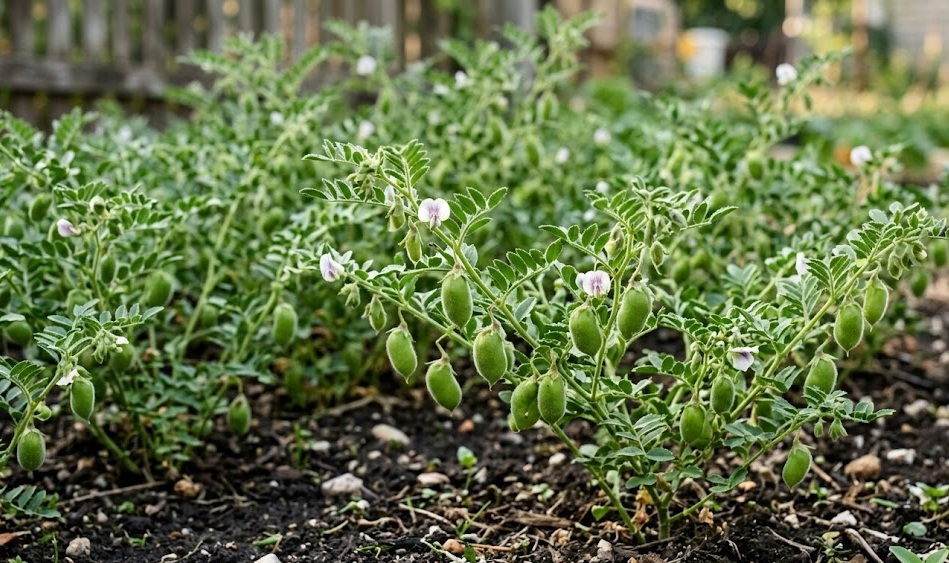
As the pods begin to form, you should monitor the density and size of the developing seeds within the husks. You will notice that the pods usually contain one or two seeds, and their growth depends on the continued health of the foliage. The plant begins to shift its resources from the leaves to the seeds, which is a natural part of the maturation process. You must resist the urge to add more water at this stage, as the plant needs to begin drying out.
Biological health and nitrogen fixation
The unique ability of chickpeas to fix nitrogen from the atmosphere is a cornerstone of professional agricultural practice. You can verify this process is occurring by carefully digging up a few plants and inspecting the roots for healthy nodules. These small bumps should be pink or red on the inside, indicating that the symbiotic bacteria are actively working. If the nodules appear white or green, it suggests that the nitrogen fixation process is not functioning at its peak.
This biological process reduces your reliance on external chemical fertilizers, making the crop more sustainable and cost-effective. You should treat the soil as a living ecosystem that supports these beneficial bacteria through proper aeration and moisture control. Avoid using heavy pesticides that might leach into the root zone and harm the delicate balance of the microbial community. A healthy soil biology leads to a more robust crop that can better withstand environmental stressors.
The presence of beneficial insects in the field can also serve as an indicator of a healthy growing environment. You should encourage predatory species that feed on common pests, creating a natural balance within the agricultural space. By avoiding broad-spectrum chemicals, you allow these natural allies to help you maintain the crop’s health with minimal intervention. Professional gardening is as much about managing the ecosystem as it is about managing the individual plants.
Advanced field maintenance techniques
Crop rotation is a vital technique that prevents the buildup of specialized pathogens and keeps the soil chemistry balanced. You should never plant chickpeas in the same spot for more than one season without a significant break in between. Rotating with cereal crops or brassicas helps break the cycle of disease and allows the soil to recover its specific mineral profile. This long-term strategy ensures that your land remains productive for many years without requiring extreme remediation.
Maintaining clear pathways between rows is essential for both airflow and ease of access during maintenance tasks. You need to ensure that the plants are not crowded, as this creates a humid microclimate that favors the development of mold. Proper spacing also allows you to move through the field without damaging the delicate branches or disturbing the soil around the roots. Professional results are often the product of organized and thoughtful field layouts that prioritize plant health.
Soil moisture sensors can provide you with precise data that takes the guesswork out of maintenance. You can use this technology to determine exactly when the roots need a boost and when the soil is sufficiently damp. Relying on data rather than intuition allows for a more efficient use of resources and prevents the stress of over-watering. Integrating modern tools into traditional gardening practices is the mark of a truly professional and forward-thinking grower.
Harvesting and ripening indicators
Knowing exactly when to harvest is a skill that comes from years of experience and careful observation of the plant’s color. You will see the entire crop turn from a vibrant green to a golden, straw-like yellow as the moisture leaves the seeds. The pods should feel dry and brittle to the touch, and the seeds inside should be hard enough that they cannot be easily dented with a fingernail. Harvesting too early results in shriveled seeds, while waiting too long can lead to pod shattering and loss.
You should perform the harvest during a period of dry weather to ensure that the seeds do not absorb any moisture from the air. If the seeds are even slightly damp when they are collected, they will quickly succumb to mold during storage. Using a mechanical harvester or a sharp scythe allows you to collect the plants efficiently while minimizing the physical impact on the seeds. Professional handling at this stage is crucial to preserving the quality of the product you have worked so hard to grow.
The final cleaning process involves removing any plant debris, stones, or damaged seeds from the bulk harvest. You should aim for a clean product that meets the standards of the agricultural market or your personal kitchen requirements. Storing the chickpeas in a cool, dry, and well-ventilated area will keep them fresh for many months or even years. Proper post-harvest management is the final step in the professional journey of caring for this versatile and hardy legume.
Post-harvest soil management
After the crop has been removed, the remaining plant matter serves as an excellent source of organic material for the earth. You can choose to till the stems and roots back into the ground to return the fixed nitrogen to the soil. This practice enriches the field for the next crop and improves the overall structure of the land for future planting. Many professional growers value the chickpea crop as much for its soil-improving qualities as for its edible seeds.
You should also take the time to inspect the field for any remaining weeds or signs of pest infestations that might persist into the next season. Cleaning the area thoroughly prevents the carryover of problems that could haunt your future agricultural endeavors. Applying a light layer of mulch or a cover crop can protect the bare earth from erosion during the fallow period. Thinking ahead to the next growing cycle is a key characteristic of a professional approach to gardening.
Finally, documenting your observations from the season will help you refine your techniques for the following year. You should keep records of planting dates, weather patterns, and any specific challenges you encountered during the care of the chickpeas. This data becomes an invaluable resource that allows you to improve your efficiency and increase your yields over time. Success in agriculture is a continuous learning process that rewards those who pay close attention to the details.