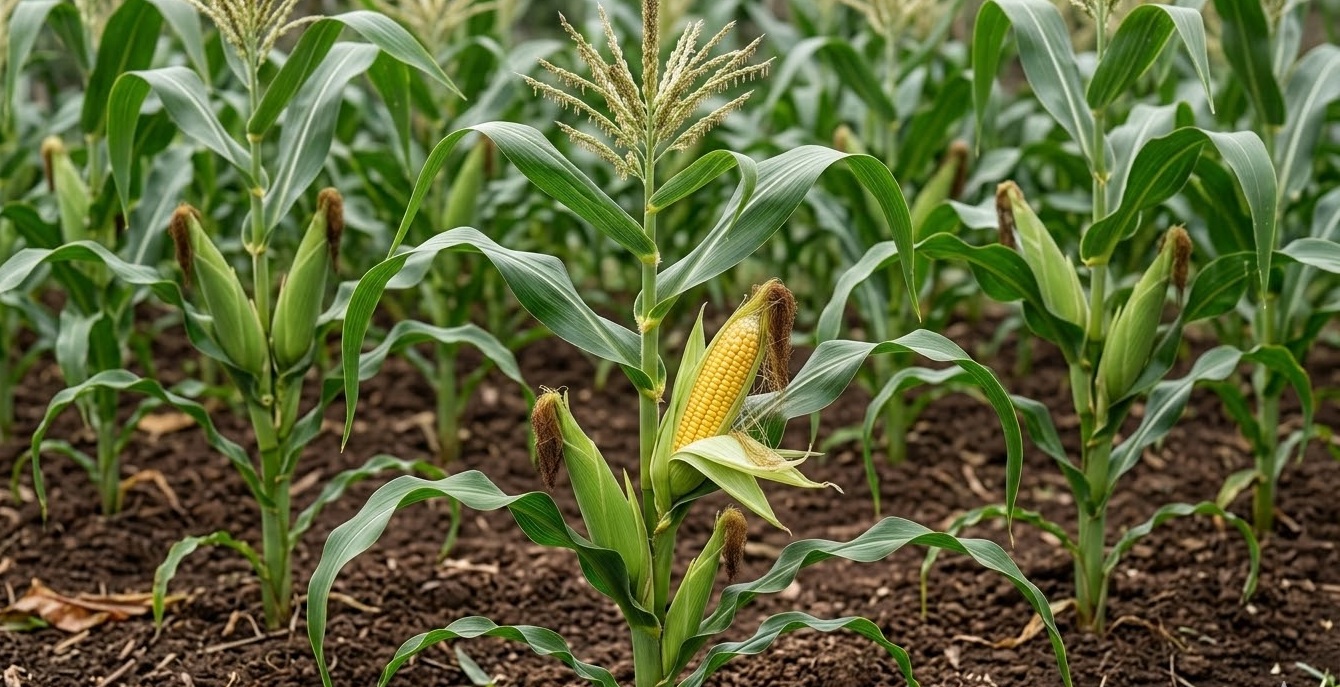

Sunlight is the primary engine that drives the growth and the legendary sweetness of a corn crop. You must understand that sweet corn is a “C4” plant, meaning it has a specialized metabolic pathway designed for high-intensity light and warm temperatures. Without adequate solar energy, the plant cannot produce the massive amounts of sugar required to fill the kernels. A professional understanding of light requirements is essential for selecting the best planting site and ensuring a high-quality harvest.
The necessity of full sun
To achieve the best results, you must plant your sweet corn in a location that receives at least eight to ten hours of direct sunlight every day. This plant does not tolerate shade well, and even partial shade for a few hours a day can significantly delay maturity. In a shaded environment, the stalks will often become “leggy” and weak as they stretch toward the available light. These weakened plants are much more susceptible to being blown over by the wind or breaking under the weight of the ears.
Photosynthesis in sweet corn is most efficient during the bright, clear hours of the midday sun. You should ensure that there are no tall trees, fences, or buildings to the south or west of your corn patch that could cast shadows during these peak hours. The more light the large leaves can capture, the more energy the plant has to invest in root development and ear formation. In the world of corn growing, sunlight is just as important as water and fertilizer for the final outcome.
The intensity of the light also plays a role in how the plant regulates its internal temperature and water use. While corn loves the sun, it also uses transpiration to keep its leaves cool during the heat of the day. Providing full sun ensures that the plant can maintain a high metabolic rate, provided that its water needs are also being met. A site with poor light exposure will always produce smaller, less flavorful ears compared to a sun-drenched location.
When planning your garden layout, you should always place your corn on the northern side of shorter crops like bush beans or lettuce. Because corn grows so tall, it can easily shade out its smaller neighbors if you are not careful with your placement. By keeping the corn in the “back” of the garden relative to the sun, you ensure that every plant in your plot gets the light it needs. This strategic positioning is a hallmark of a professional and well-organized vegetable garden.
More articles on this topic
Photosynthesis and sugar development
The leaves of a sweet corn plant are essentially giant solar panels designed to capture as much energy as possible. You will notice that the leaves are arranged in an alternating pattern that minimizes the shading of the lower foliage by the upper leaves. This architecture allows the entire plant to contribute to the production of carbohydrates through photosynthesis. These carbohydrates are later converted into the complex sugars that give sweet corn its prized flavor and texture.
The conversion of sunlight into sugar reaches its peak during the long, sunny days of mid-summer. This is precisely when the plant is transitioning from vegetative growth to the critical stage of ear development. If the weather is cloudy or overcast for an extended period during this window, the sugar content of the kernels may be noticeably lower. While you cannot control the weather, ensuring your site has the best possible exposure maximizes the energy the plants can capture during the sunny intervals.
Interestingly, the temperature of the air and the intensity of the light work together to determine the final quality of the corn. High light levels combined with warm days and cool nights are the ideal conditions for sugar accumulation in the kernels. The cool nights slow down the plant’s respiration, meaning it “burns” less of the sugar it produced during the day. This balance is what creates the perfect ear of corn that is bursting with sweetness and flavor.
Maintaining a healthy green canopy is vital for maximizing the plant’s photosynthetic potential throughout the season. You should protect the leaves from pests and diseases that could reduce the functional surface area available for light capture. Even a small amount of leaf damage can have a measurable impact on the plant’s total energy budget. A professional grower treats every leaf as a valuable asset that must be preserved until the harvest is complete.
More articles on this topic
Site selection and shading impacts
When choosing a site for your sweet corn, you must also consider how the angle of the sun changes as the season progresses. A spot that is in full sun in May might be partially shaded by a growing tree or a building by the time August arrives. You should observe your garden throughout the day at different times of the year to identify the most stable sunny areas. This long-term perspective prevents disappointing results from a crop that starts well but fails to finish strong.
Spacing between your corn plants is another factor that influences how much light each individual leaf can receive. If you plant your corn too close together, the plants will begin to compete with each other for sunlight, leading to self-shading. This competition causes the lower leaves to turn yellow and die prematurely, as they are no longer able to produce enough energy to support themselves. Following the recommended spacing guidelines ensures that every plant has its own “solar territory.”
Airflow is a secondary benefit of a well-lit and properly spaced corn patch that you should not overlook. Sunlight helps to dry out the dew on the leaves and soil surface each morning, which is a natural defense against many fungal diseases. A site that is too enclosed or shaded will remain damp for much longer, creating a perfect nursery for pathogens. Choosing an open, sunny location provides a healthier environment that requires fewer chemical interventions to maintain.
If you are gardening in a region with very high temperatures, you might be tempted to provide some afternoon shade for your corn. However, for sweet corn, this is usually unnecessary and potentially counterproductive to the development of the ears. Instead of shade, focus on providing adequate irrigation and mulching to help the plants cope with the heat. In a professional setting, we always prioritize maximizing light exposure as the most direct path to a successful and high-quality sweet corn harvest.