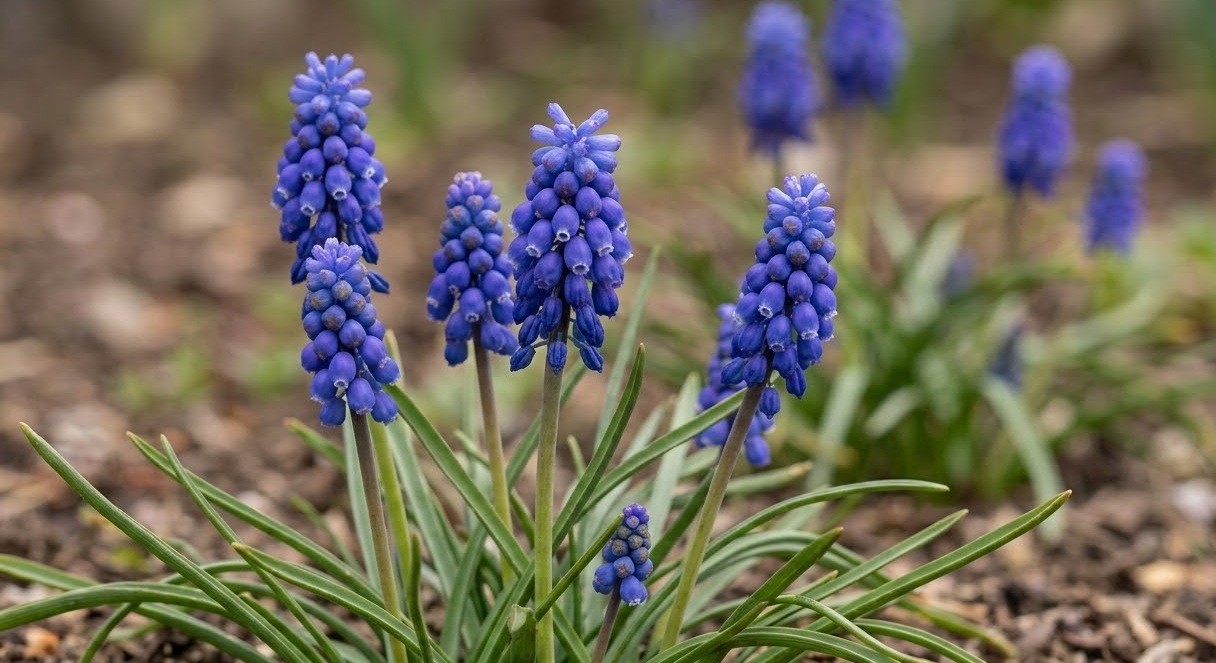

Caring for grape hyacinth requires a deep understanding of its natural lifecycle and specific environmental preferences. These small but resilient bulbs are a staple in early spring gardens, providing a vibrant blue hue that few other plants can match. To ensure they thrive year after year, you must pay attention to the soil quality and the timing of various maintenance tasks. Achieving a professional-looking display involves more than just planting; it requires consistent observation and a proactive approach to garden management.
Maintaining these bulbs starts with recognizing their dormancy patterns and how they interact with surrounding vegetation. During the active growing season, you should ensure that larger perennials do not completely overshadow the emerging foliage. Although they are quite hardy, providing them with a clear space helps the sunlight reach the leaves, which is crucial for energy storage. A well-maintained patch of these flowers can serve as a reliable nectar source for early pollinators, making them ecologically valuable.
Professional gardeners often emphasize the importance of monitoring soil moisture even after the blooms have faded. While the plant enters a period of rest, the bulbs still require a stable environment to prepare for the following year’s growth. If the summer is exceptionally dry, a light application of water can prevent the bulbs from desiccating completely in sandy soils. Conversely, during wet springs, ensuring proper drainage is the most critical factor in preventing bulb rot and other fungal issues.
Finally, long-term care involves the strategic management of the plant’s spread within the landscape. These bulbs are known for their ability to naturalize quickly, which can be both a blessing and a challenge for a structured garden design. By understanding their growth habit, you can decide whether to let them wander freely or to restrict them to specific borders. Consistent care ensures that the intensity of the blue flowers remains high and that the clumps do not become overly congested.
Creating the ideal soil environment
The foundation of successful cultivation lies in the physical and chemical composition of the garden bed. These plants prefer a soil that is rich in organic matter but retains an open, friable structure to allow for easy root penetration. If your garden has heavy clay, incorporating sharp sand or well-rotted compost can significantly improve the aeration levels. This preparation should ideally happen several weeks before you expect the primary growing phase to begin.
More articles on this topic
Soil pH is another technical aspect that professional horticulturists monitor closely when managing these specific bulbs. They generally thrive in a neutral to slightly alkaline environment, though they are remarkably adaptable to various conditions. If your soil is highly acidic, a light application of garden lime can help bring the pH into the optimal range for nutrient uptake. Testing your soil every few years provides the data necessary to make these adjustments with scientific precision.
Microbial activity within the soil also plays a silent but vital role in the health of the bulb colony. Using organic mulches like leaf mold can foster a healthy community of beneficial fungi and bacteria that assist in nutrient cycling. These microorganisms help break down complex organic compounds into forms that the roots can easily absorb during the spring. A living soil is often the secret behind the most vigorous and long-lived horticultural displays.
Drainage remains the most critical physical property to manage when considering the long-term health of the bulbs. Standing water during the winter months is the primary cause of failure for many spring-flowering species in domestic gardens. If you notice water pooling in certain areas after a heavy rain, consider creating raised beds or installing subterranean drainage pipes. Ensuring that the bulbs never sit in waterlogged earth will prevent the majority of physiological disorders.
Seasonal maintenance routines
As spring approaches, the first task is to clear away any heavy debris or thick layers of mulch that might obstruct the emerging shoots. Removing fallen leaves and dead twigs allows the delicate sprouts to reach the light without being deformed by physical obstacles. This cleanup also improves air circulation around the base of the plants, which is essential for reducing the risk of early-season fungal infections. Early intervention ensures the aesthetic quality of the foliage is preserved from the very start.
More articles on this topic
During the peak flowering period, regular inspection allows you to identify any plants that are not performing to their full potential. You might notice some variations in flower size or color intensity, which can indicate localized soil deficiencies or overcrowding. Keeping a garden journal of these observations helps in planning for future adjustments during the dormant season. A professional approach involves treating the garden as a dynamic system that requires ongoing evaluation.
Once the flowering stage has concluded, the focus shifts from aesthetic display to biological energy conservation. It is vital to leave the green foliage intact until it has completely yellowed and withered naturally on its own. These leaves are the factories that produce the sugars stored in the bulb for next year’s floral display. Cutting them back too early is a common mistake that leads to weaker blooms in subsequent seasons.
In the late autumn, a thin layer of compost applied over the top of the bulbs can provide a slow release of nutrients for the coming year. This top-dressing mimics the natural accumulation of organic matter found on a forest floor, where these plants originated. It also provides a slight buffer against extreme temperature fluctuations during the early winter months. This proactive step ensures the bulbs have everything they need as soon as the soil begins to warm in late February.
Managing the growth cycle
Understanding the physiological stages of the bulb allows you to synchronize your gardening tasks with the plant’s internal clock. The cycle begins with root development in the autumn, even though there is no visible growth above the surface. During this time, the bulb is establishing the plumbing system necessary to support the rapid expansion of spring. Providing a stable environment during this hidden phase is just as important as the care given during the flowering period.
As the leaves emerge in late winter or early spring, the plant enters a period of intense metabolic activity. The rate of photosynthesis must be maximized during this time because the window of opportunity is relatively short. You should ensure that the area is free from competitive weeds that might steal moisture or nutrients. This stage is when the plant is most vulnerable to external stressors, so consistent monitoring is highly recommended.
The transition into dormancy is a gradual process that is triggered by increasing temperatures and changing day lengths. As the plant shifts its resources from the leaves down into the bulb, the external appearance will begin to decline. While it may be tempting to tidy up the fading yellow leaves, resisting this urge is crucial for the plant’s health. The bulb is effectively “recharging” its internal batteries during this critical period of decline.
During the height of summer, the bulbs are in a state of true dormancy, but they are not entirely inactive. Internally, the flower primordia for the following year are starting to form within the protective scales of the bulb. This means that even though nothing is visible, the plant is still influenced by the temperature and moisture of the soil. Protecting the dormant bulbs from excessive heat or prolonged saturation ensures a successful return in the spring.
Enhancing the visual impact
To create a professional and natural-looking display, consider the density and arrangement of the bulbs within the landscape. Planting in large, irregular drifts rather than straight lines creates a sense of spontaneity that mimics wild colonies. You can achieve this by gently tossing the bulbs onto the prepared ground and planting them where they land. This technique results in a more organic flow that integrates seamlessly with other spring perennials and shrubs.
The blue tones of these flowers can be further enhanced by pairing them with contrasting colors in the garden. Yellow primroses or white wood anemones provide a stunning backdrop that makes the deep cobalt of the bulbs stand out. Professional designers often use these color theories to create focal points that draw the eye across the garden. Thoughtful plant associations elevate a simple flower bed into a sophisticated horticultural composition.
Layering bulbs is another advanced technique used to extend the season of interest in a particular area. You can plant these smaller bulbs directly above deeper-planted tulips or daffodils in a “lasagna” style arrangement. As the grape hyacinths finish their display, the larger flowers will emerge to take their place, masking the fading foliage. This spatial efficiency is particularly useful in smaller gardens where every square inch of soil must be productive.
Mass planting is often the most effective way to utilize these bulbs for a dramatic landscape effect. When hundreds of these flowers bloom simultaneously, they create a carpet of color that can be seen from a significant distance. This approach is frequently seen in public botanical gardens and large estates to define pathways or woodland edges. Even in a domestic setting, a dense cluster of fifty bulbs can create a much stronger impact than the same number scattered thinly.
Adapting to local conditions
Local climate variations will dictate the specific timing of growth and the intensity of the maintenance required. In regions with very mild winters, the bulbs may emerge much earlier and require protection from late-spring frosts. Conversely, in colder areas, the ground may stay frozen longer, delaying the bloom time until the soil reaches a consistent temperature. Adjusting your expectations based on the local weather patterns is a hallmark of an experienced gardener.
Microclimates within your own garden also play a significant role in how these plants behave. Bulbs planted against a south-facing wall will likely bloom several weeks before those situated in a shaded, north-facing corner. You can use these temperature differences to your advantage to stagger the blooming period across your entire property. Observing these nuances allows for a more nuanced approach to garden planning and plant placement.
The availability of natural rainfall varies by region and will influence your supplemental watering strategy. In areas with high spring rainfall, you must be extra vigilant about soil drainage to prevent the bulbs from rotting. In drier climates, you might need to provide extra hydration during the leaf-development stage to ensure the bulbs grow to their full size. Understanding your local precipitation patterns helps in maintaining the correct balance of moisture throughout the year.
Wind exposure is a factor that is often overlooked but can affect the longevity of the floral display. While the flower spikes are relatively sturdy, extreme winds can dry out the delicate florets and shorten their lifespan. Planting them near low-growing shrubs or ornamental grasses can provide a natural windbreak that protects the blooms. Selecting a sheltered location will help maintain the pristine appearance of the flowers for as long as possible.
Long-term naturalization strategies
Allowing these bulbs to naturalize is one of the most rewarding ways to incorporate them into a permanent landscape. Over time, the original bulbs will produce offsets and self-seed, filling in gaps and creating a lush, established look. To encourage this, you should avoid heavy mulching or frequent tilling in the areas where you want them to spread. A stable, undisturbed environment is the key to successful long-term colony expansion in a garden.
Mowing practices in lawn areas where bulbs have been naturalized must be adjusted to allow for foliage maturation. If you have planted them in the grass, you should wait to mow until the leaves have completely died back in early summer. This requires a bit of patience and a willingness to accept a slightly less manicured look for a few weeks. The reward is a spectacular spring meadow effect that returns with increasing vigor every single year.
Dividing the clumps every few years is a professional technique used to maintain the health and flowering capacity of the colony. If you notice that the center of a clump is producing fewer flowers or the leaves are becoming stunted, it is time to lift and separate. This is best done in late summer or early autumn when the bulbs are dormant but still easy to locate. Replanting the offsets in fresh soil will rejuvenate the entire population and prevent stagnation.
The ultimate goal of a care program is to create a self-sustaining system where the plants require minimal intervention. By choosing the right location and preparing the soil correctly from the beginning, you set the stage for years of beauty. A professional gardener knows that the best results come from working with the plant’s natural tendencies rather than against them. With these expert strategies, your grape hyacinths will become a permanent and beloved feature of your horticultural collection.