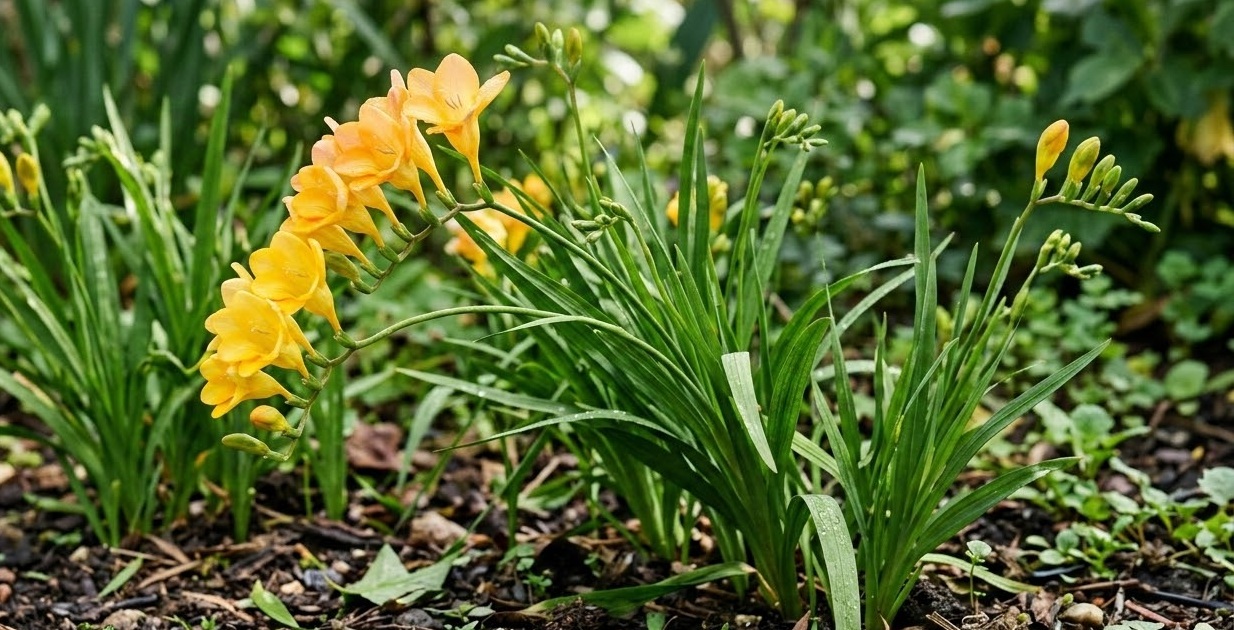

Fungal diseases are among the most common problems that gardeners face when trying to maintain a healthy and vibrant collection of these fragrant flowering bulbs. You should be on the lookout for early signs of infection, such as fuzzy grey mold on the leaves or dark sunken spots on the flower petals. These pathogens thrive in humid conditions with poor air circulation, which is why proper spacing and ventilation are so important in the garden. If left unchecked, a fungal outbreak can quickly destroy an entire crop and spread to other sensitive plants in the surrounding area.
Botrytis, also known as grey mold, is a particularly aggressive fungus that often attacks the flowers and buds during periods of cool, damp weather in the spring. You will notice a dusty grey coating appearing on the infected tissues, which can cause the flowers to rot and turn into a mushy brown mess. It is essential to remove any infected plant parts immediately and dispose of them far away from your garden to prevent the spores from spreading through the air. Increasing the distance between your plants can help lower the humidity levels around the foliage and reduce the risk of further infection.
Fusarium wilt is a soil-borne fungal disease that attacks the vascular system of the plant, preventing water and nutrients from reaching the leaves and stems. You might see the lower leaves turning yellow and wilting even when the soil is perfectly moist, which is a classic sign of this serious internal problem. Because this fungus can survive in the soil for many years, you should avoid planting bulbs in the same location if you have experienced a previous outbreak. Selecting disease-resistant varieties and ensuring excellent drainage are the best ways to protect your garden from this persistent and damaging threat.
Leaf spot fungi can cause unsightly blemishes on the foliage that reduce the plant’s ability to produce energy through photosynthesis and weaken its overall vigor. These spots are often circular with a dark border and a lighter center, and they can merge together to cover large areas of the leaf surface. You should avoid watering your plants from above, as wet leaves are much more likely to be colonized by fungal spores that are splashing around in the garden. Applying a copper-based fungicide at the first sign of trouble can help stop the spread of leaf spot and keep your foliage looking clean and healthy.
Viral infections and vectors
Viral diseases pose a unique challenge for gardeners because there is no known cure once a plant has become infected with a specific virus in the soil. You should watch for symptoms such as mosaic patterns on the leaves, stunted growth, or strange color breaking in the petals of the flowers. These viruses are often spread by sap-sucking insects like aphids or through the use of contaminated gardening tools that have not been properly cleaned between uses. If you suspect a plant has a virus, the only course of action is to remove and destroy the entire specimen to protect the rest of your collection.
More articles on this topic
Freesia mosaic virus is one of the most widespread viral problems that affects these particular bulbs, causing pale green or yellowish streaks to appear on the foliage. While it may not kill the plant immediately, it will significantly reduce the quality of the flowers and the overall strength of the bulb over several growing seasons. You will often notice that infected plants are smaller than their healthy neighbors and may fail to produce any fragrant blooms at all. Managing the insect populations that carry these viruses is the primary way to prevent the disease from entering your garden in the first place.
Bean yellow mosaic virus is another common threat that can cause severe distortion of the leaves and flowers, making the plant look sick and unattractive in the garden bed. This virus is often brought into the garden by migrating insects that have previously fed on infected legumes or other ornamental plants in the nearby area. You should be careful about planting your bulbs too close to vegetable patches where beans or peas are being grown, as this can increase the risk of cross-contamination. Keeping your garden free of weeds that can act as alternative hosts for these viruses and their insect vectors is also a key preventive measure.
Hygiene is the most important tool you have for preventing the spread of viral infections between different plants in your garden or greenhouse. You should always sterilize your pruning shears and other tools with a solution of rubbing alcohol or diluted bleach after working on each individual plant. This simple habit prevents the transfer of infected sap from one bulb to another and can save your entire collection from a devastating viral outbreak. Educating yourself about the signs of viral distress will help you make quick decisions and take the necessary steps to maintain a healthy and disease-fREE environment.
Insect pests and management
Aphids are small, soft-bodied insects that congregate in large numbers on the tender new growth and the undersides of the leaves to suck out the sap. You will often find them on the developing flower buds, where their feeding can cause the petals to become distorted or fail to open properly. These pests also produce a sticky substance called honeydew, which can attract ants and encourage the growth of unsightly black sooty mold on the foliage. A strong blast of water from a garden hose is often enough to knock aphids off the plants and reduce their population without the need for harsh chemicals.
More articles on this topic
Thrips are tiny, slender insects that are difficult to see with the naked eye but can cause significant damage to the flowers and the overall appearance of the plant. They feed by rasping the surface of the petals and leaves, leaving behind silvery streaks and small black specks of waste that ruin the beauty of the blooms. If you notice your flower buds are turning brown and falling off before they open, thrips are often the hidden culprits behind the scenes. Using yellow sticky traps or introducing natural predators like ladybugs can help keep thrip populations under control in a more environmentally friendly way.
Spider mites are another common pest that thrives in hot, dry conditions, especially for plants that are grown indoors or in poorly ventilated greenhouses during the summer. You might see fine webbing between the leaves and a characteristic stippling or yellowing of the foliage as the mites feed on the plant cells. Increasing the humidity around your plants by misting them regularly or using a tray of water and pebbles can make the environment less hospitable for these tiny arachnids. If the infestation is severe, applying an insecticidal soap or a neem oil spray can help eliminate the mites and protect your plants from further damage.
Mealybugs are easily identified by the white, waxy, cotton-like covering that protects them as they feed on the sap in the leaf axils and other hidden parts of the plant. Like aphids, they secrete honeydew and can weaken the plant over time by draining its energy and potentially spreading harmful viral diseases through the garden. You can remove individual mealybugs by dabbing them with a cotton swab dipped in rubbing alcohol, which dissolves their protective coating and kills them instantly. Regularly inspecting your plants, especially in the tight spaces where leaves meet the stems, will help you catch these pests before they become a major problem.
Larger garden pests
Slugs and snails are notorious for their ability to devour large amounts of tender foliage and young flower spikes in a single night during the wet spring months. You will often find large holes in the leaves or missing shoots, accompanied by tell-tale silvery slime trails that lead back to their hiding places in the garden. These nocturnal pests love damp, dark areas under mulch or garden debris, so keeping your beds clean and tidy can help reduce their numbers. Using barriers like copper tape or crushed eggshells can discourage them from reaching your most valuable plants and causing expensive damage.
Rodents such as voles or mice can pose a serious threat to your bulbs during the winter months when other food sources are scarce in the frozen ground. They often tunnel through the soil and eat the energy-rich corms, leaving you with empty spots in the garden when spring finally arrives and nothing sprouts. You might consider planting your bulbs in wire mesh cages or using natural deterrents like castor oil to keep these hungry mammals away from your precious collection. Checking for signs of tunneling or disturbed soil in the autumn will help you identify potential rodent problems before they have a chance to do significant harm.
Birds are generally beneficial in the garden because they eat many harmful insects, but they can occasionally become a nuisance by pecking at the bright flower buds. They are often attracted to the vivid colors of the petals and may accidentally break the thin stems as they try to land or feed on the nectar. Providing an alternative water source and plenty of birdseed can help distract them from your ornamental plants and keep them occupied elsewhere in the yard. If the damage is extensive, using lightweight bird netting over your most sensitive flower beds can provide an effective physical barrier without harming the animals.
Rabbits and deer are larger pests that can quickly graze a garden bed down to the ground if they find your plants particularly appetizing during the growing season. While these flowering bulbs are not always their first choice, hungry animals will eat almost anything if they are pressured by a lack of other food options in the area. Installing a sturdy fence is the most reliable way to keep these larger visitors out of your garden, but it can be an expensive and time-consuming project to complete. Many gardeners find success with scent-based repellents that mimic the smell of predators or use strong-smelling herbs to mask the attractive scent of the flowers.
Integrated pest management strategies
Adopting an integrated pest management approach means using a variety of techniques to keep pest populations at a manageable level without relying solely on chemical treatments. You should start by ensuring your plants are as healthy as possible, as vigorous specimens are naturally more resistant to both diseases and insect attacks in the garden. Providing the right amount of light, water, and nutrients creates a strong foundation that helps the plants defend themselves and recover more quickly from any minor damage. Regular monitoring is the most important part of this strategy, as it allows you to catch problems early when they are much easier to handle.
Encouraging natural predators to live in your garden is a sustainable and effective way to keep many common pests like aphids and mites under control over the long term. You can plant a variety of flowering herbs and native plants that provide nectar and shelter for beneficial insects like hoverflies, lacewings, and predatory wasps. These natural allies will work tirelessly to hunt down and eat many of the harmful pests that would otherwise damage your ornamental flowers and foliage. Creating a diverse and balanced ecosystem in your yard reduces the need for human intervention and promotes a healthier environment for everyone.
Cultural controls, such as crop rotation and proper sanitation, are simple but powerful methods for breaking the life cycles of many persistent garden pests and diseases. You should never leave fallen leaves or dead plant material sitting on the soil surface where they can provide a home for overwintering insects or fungal spores. Removing and destroying any suspicious plants immediately prevents a small problem from turning into a large-scale epidemic that could threaten your entire collection of bulbs. Taking the time to clean your tools and pots thoroughly between uses is another essential habit that will pay off in the form of healthier and more beautiful plants.
When you do find it necessary to use a pesticide or fungicide, always choose the least toxic option first to minimize the impact on beneficial insects and the surrounding environment. You should follow the instructions on the label exactly to ensure the product is effective and safe for use on your specific types of plants and in your local climate. Spot-treating only the affected areas rather than spraying the entire garden will help preserve the natural balance of your ecosystem and reduce the risk of pests developing resistance. By combining all these different methods, you can create a resilient and thriving garden that produces spectacular flowers year after year.