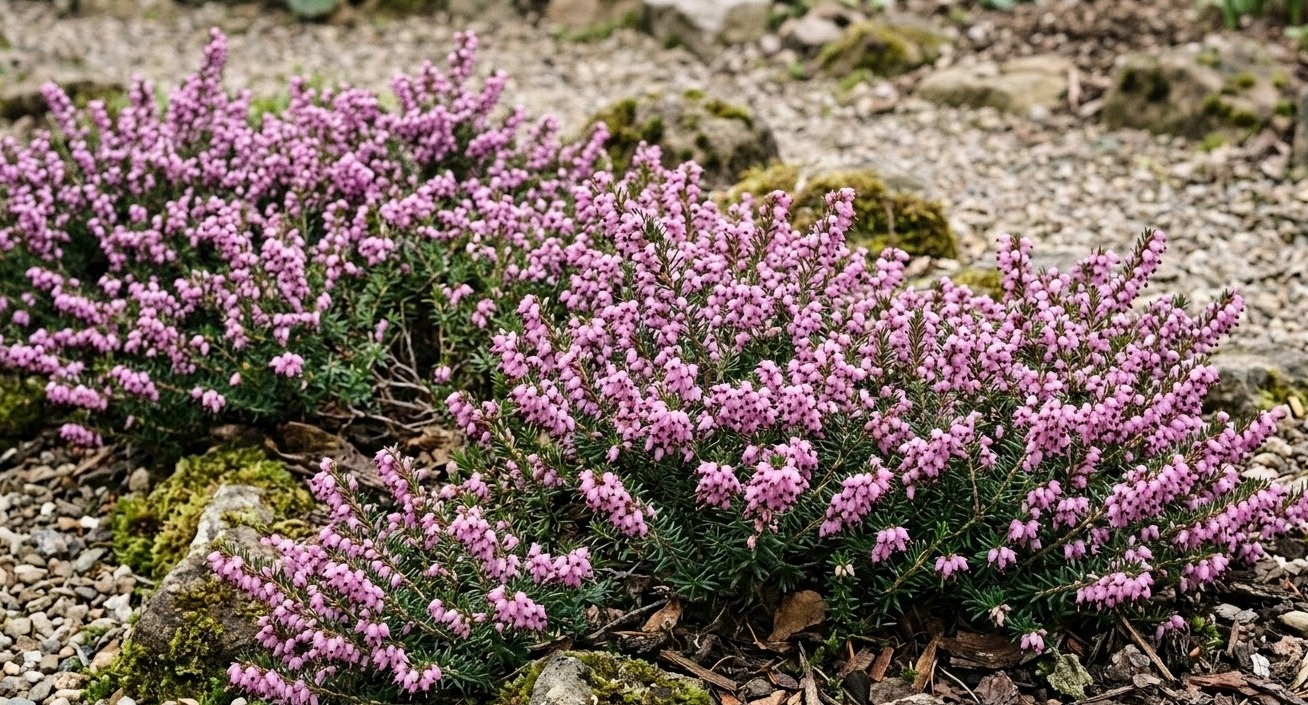

The alpine heath is a versatile plant that can adapt to a range of light conditions, but its performance is best when it receives plenty of bright, indirect light. In its native mountain environment, it is often exposed to high levels of solar radiation, which it has evolved to handle with its needle-like leaves. You will find that a position in full sun to partial shade is generally ideal for promoting a compact growth habit and a profuse display of flowers. Understanding the nuances of light exposure will help you place your plants for maximum visual impact and health.
In cooler northern climates, you can safely plant this shrub in a spot that receives full sun for the majority of the day. The intensity of the sun is usually not high enough to damage the foliage, and the extra light will result in a denser plant with more vibrant colors. You will notice that plants grown in more sun tend to have a tighter, more mounded shape that is highly desirable for ground cover. Full sun also helps the plant to produce the maximum number of flower buds for the winter season.
However, in warmer regions where the summer sun can be quite intense, a bit of afternoon shade is often beneficial. The extreme heat of a summer afternoon can stress the plant and cause the soil to dry out too quickly, leading to foliage scorch. By providing a location that offers bright morning light and filtered shade in the afternoon, you can create a more comfortable microclimate for the shrub. This balance is particularly important if you are growing some of the more delicate or pale-flowered cultivars.
The amount of light the plant receives will also influence the timing and duration of its blooming period. A plant in a sunnier spot will often start flowering earlier and produce a more concentrated burst of color. In contrast, a plant in a slightly shadier location may bloom a bit later and have a more extended, though perhaps less intense, flowering season. Observing how different levels of light affect your plants will allow you to fine-tune your garden design for the best results.
Managing the impact of seasonal light changes
As the seasons change, the angle and intensity of the sun will shift, which can alter the light conditions in different parts of your garden. You should be aware of how nearby trees and structures might cast shadows that change throughout the year. A spot that is in full sun during the winter when the deciduous trees are bare might be in deep shade during the summer. This seasonal variation is an important factor to consider when choosing a permanent home for your alpine heath.
More articles on this topic
During the winter months, when the sun is low in the sky, any bit of extra light can be a significant benefit for the plant. The low winter sun provides the energy the plant needs to maintain its evergreen foliage and open its many small flowers. You should avoid planting your heath in deep, permanent shade where it may struggle to produce enough energy for a good bloom. A bright, open position will ensure that you get the most out of your winter garden display.
In the height of summer, the primary concern is protecting the plant from excessive heat rather than the light itself. Intense light combined with high temperatures can cause the plant to enter a period of semi-dormancy where its growth slows down significantly. You should ensure that the plant is well-watered and mulched to help it cope with these peak light conditions. A healthy, hydrated plant is much better equipped to handle the stresses of a long, bright summer.
You might also notice that the color of the foliage changes slightly in response to the light levels throughout the year. Some varieties of alpine heath develop beautiful bronze or gold tones during the winter months when they are exposed to bright light and cold temperatures. This color shift is a natural reaction and adds another layer of interest to the winter garden. The interplay between light, temperature, and plant physiology is one of the most fascinating aspects of growing this species.
Signs of improper light exposure
Learning to recognize the signs that a plant is not receiving the right amount of light will help you make necessary adjustments. If a plant is grown in too much shade, it will often become leggy and sparse as it reaches toward the available light. You will notice that the stems are longer and the leaves are spaced further apart, resulting in a less attractive and less dense shrub. Flowering will also be much more limited in deep shade, with fewer and smaller blooms being produced.
More articles on this topic
On the other hand, a plant that is receiving too much intense sun without adequate moisture may show signs of foliage scorch. This typically appears as browning or bleaching of the tips of the leaves, especially on the side of the plant most exposed to the sun. If you see these symptoms, you should evaluate your watering routine and consider providing some temporary shade during the hottest part of the day. In severe cases, you may need to move the plant to a more suitable location in the autumn.
The overall color and vigor of the plant are the best indicators of whether it is happy with its current light levels. A healthy alpine heath should have a lush, vibrant appearance with dense foliage and a strong growth habit. If the plant seems stunted or the foliage is a dull, sickly green, it may be struggling with either too much or too little light. Regular observation will help you determine if the location is providing the right balance for that particular cultivar.
Finally, remember that the light requirements can vary slightly between different varieties of alpine heath. Some cultivars have been bred specifically for their tolerance to higher light levels or their ability to perform well in partial shade. When purchasing new plants, check the specific recommendations for that variety and try to match them to the conditions in your garden. With the right light exposure, your alpine heath will be a healthy and beautiful addition to your landscape for many years.