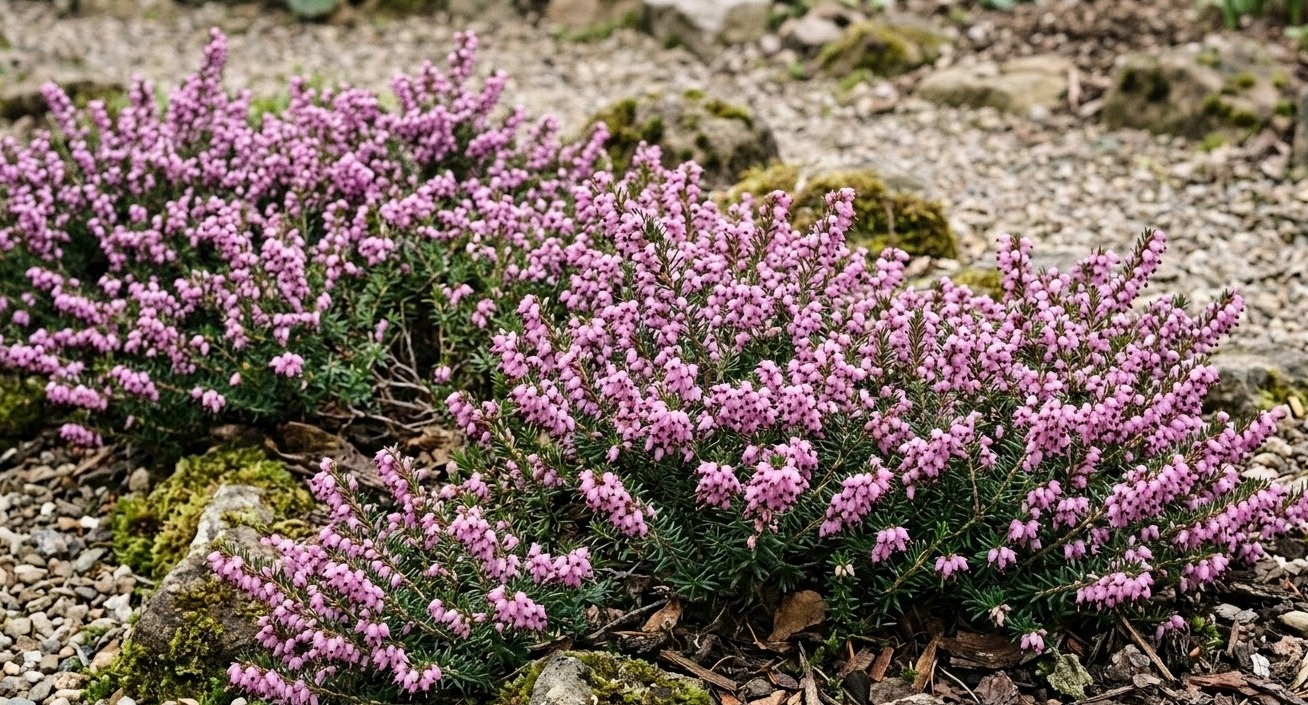

Proper watering is the most critical aspect of maintaining the health and longevity of the alpine heath in a garden setting. This species requires a consistent supply of moisture, particularly during its active growth phases and the blooming period. You should aim to keep the soil evenly moist without ever allowing it to become completely saturated or bone-dry. Understanding the balance between hydration and drainage is the key to preventing common issues like root rot or foliage desiccation.
The frequency of your watering routine will depend heavily on the local climate and the specific soil conditions in your garden. During the hot and dry summer months, you may need to water your plants several times a week to compensate for evaporation. In contrast, the cooler and wetter months of autumn and winter will require much less frequent intervention from the gardener. Always check the moisture level of the soil a few centimeters below the surface before deciding to add more water.
Deep watering is generally more effective than frequent shallow applications, as it encourages the roots to grow deeper into the soil. You should apply water slowly at the base of the plant to allow it to soak in thoroughly rather than running off the surface. This method ensures that the entire root zone is hydrated and helps the plant become more resilient to short periods of drought. Avoid getting too much water on the foliage, as this can promote the development of fungal diseases.
Using rainwater or acidified water is often beneficial if your local tap water is particularly hard or alkaline. Since these plants prefer acidic conditions, the repeated use of lime-rich water can slowly raise the pH of the soil over time. You can collect rainwater in barrels to provide a more natural and suitable source of hydration for your heath collection. Monitoring the reaction of your plants to your watering source will help you make necessary adjustments for their long-term health.
Adjusting moisture for the seasons
Seasonal changes bring different demands for moisture that you must anticipate to keep your plants in peak condition. In the early spring, as the plant finishes blooming and starts new growth, its demand for water increases significantly. This is the time to ensure that the soil remains consistently damp to support the development of fresh shoots and leaves. A lack of water during this critical window can lead to stunted growth and reduced vigor for the rest of the year.
More articles on this topic
The summer months present the greatest challenge for maintaining proper hydration levels in the heath garden. High temperatures and intense sunlight can quickly deplete the moisture reserves in the soil and the plant’s tissues. You should consider watering early in the morning or late in the evening to minimize water loss through evaporation. Mulching the area around your plants is also highly effective at preserving soil moisture during the peak of summer heat.
Autumn is a period of transition where the plant begins to slow down its metabolic processes and prepare for the winter bloom. You should gradually reduce the frequency of watering as the temperatures drop and the natural rainfall increases in your region. However, you must ensure that the plant does not go into the winter with completely dry roots, as this can cause winter burn. Finding the right balance during this transition period is essential for a successful winter floral display.
Winter watering is often overlooked, but it is vital during periods of dry weather or when the ground is not frozen. Even though the plant is blooming, it still needs access to moisture to keep its evergreen foliage hydrated and healthy. If you experience a long period without rain or snow, you should provide a light watering on a day when the temperatures are above freezing. This simple task can prevent the foliage from turning brown and dying back during the coldest months.
Nutrient requirements and fertilization strategies
Fertilizing the alpine heath requires a light touch, as these plants are naturally adapted to nutrient-poor mountain soils. You should avoid using heavy doses of high-nitrogen fertilizers, which can promote weak, leggy growth at the expense of flowers. Instead, choose a specialized fertilizer designed for acid-loving plants or a slow-release organic option. The goal is to provide a steady, low-level supply of nutrients that supports healthy development without overwhelming the shrub.
More articles on this topic
The best time to apply fertilizer is in the early spring, just as the flowering period is coming to an end. This timing provides the plant with the nutrients it needs to produce strong new growth for the coming season. You should spread the fertilizer evenly around the base of the plant and water it in thoroughly to ensure it reaches the root zone. A single application once a year is usually sufficient for established plants growing in reasonably good soil.
Organic amendments like well-rotted leaf mold or composted pine bark can also serve as a gentle source of nutrients over time. These materials break down slowly, improving the soil structure while releasing small amounts of essential elements to the roots. You can apply a fresh layer of organic mulch every spring to replenish the soil and provide these long-term benefits. This natural approach to fertilization is often the most sustainable and effective method for heath gardens.
Always monitor the appearance of your plants to determine if they truly need additional nutrients before applying any fertilizer. If the foliage is a deep, healthy green and the plant is blooming well, it likely has everything it needs from the existing soil. Over-fertilization can lead to a buildup of salts in the soil, which can damage the sensitive root systems of these shrubs. When it comes to feeding the alpine heath, less is often more for achieving the best results.
Managing soil acidity and nutrient uptake
Soil pH is a fundamental factor that directly affects the ability of the plant to absorb nutrients from the ground. Since the alpine heath is an acid-loving species, it can struggle in soils that are too alkaline or rich in lime. In such conditions, essential minerals like iron can become chemically locked in the soil, making them unavailable to the plant. This often manifests as yellowing leaves, a condition known as chlorosis, which indicates a serious nutritional imbalance.
If your soil is naturally alkaline, you may need to apply soil acidifiers such as elemental sulfur or iron sulfate to lower the pH. You should follow the manufacturer’s instructions carefully and test the soil regularly to ensure you are staying within the ideal range. These amendments work slowly, so you should not expect an immediate change in the appearance of your plants. Consistency in managing the soil chemistry is the key to maintaining long-term health in alkaline regions.
Adding acidic organic matter to the planting hole and using it as a mulch can also help to maintain a favorable pH level. Materials like peat moss, pine needles, or shredded oak leaves are excellent choices for creating a more hospitable environment for your heath. Over time, these materials will incorporate into the soil and help to buffer against the effects of alkaline irrigation water. This holistic approach to soil management creates a self-sustaining system for the plants.
In cases where severe chlorosis occurs, you can use chelated iron sprays as a temporary measure to green up the foliage. These products provide iron in a form that the plant can absorb directly through its leaves, bypassing the soil chemistry issues. However, this is only a short-term fix and does not address the underlying problem of soil pH. You must focus on correcting the soil conditions to ensure the permanent health and vitality of your alpine heath collection.
Recognizing and correcting imbalances
Learning to read the signals your plants are sending is an essential skill for any expert gardener. If you notice that the tips of the leaves are turning brown, it may be a sign of either underwatering or a buildup of salts from over-fertilization. You should investigate the soil moisture and review your fertilization history to determine the most likely cause. Adjusting your routine based on these visual cues will help you maintain the perfect balance of care.
A lack of flowers or a significant decline in bloom quality can also indicate a problem with the watering or nutrient regime. If the plant is receiving too much nitrogen, it may produce lush green foliage but very few of its characteristic bell-shaped flowers. Conversely, a plant that is under severe moisture stress may drop its buds before they have a chance to open. Observing these patterns over several seasons will help you refine your techniques for your specific garden.
If you suspect that your soil has become compacted, which hinders both water and nutrient uptake, you should take steps to aerate the area. Carefully loosening the soil around the edge of the root zone can help to restore the flow of air and water to the roots. Be very careful not to damage the main root system while doing this, as the heath has relatively shallow and delicate roots. Improving the physical structure of the soil is often just as important as adding water or fertilizer.
Finally, remember that the environment is constantly changing, and your care routine should evolve along with it. A plant that thrived with a certain amount of water last year may need more this year as it grows larger or as the weather patterns shift. By staying attentive and responsive to the needs of your alpine heath, you can ensure it remains a highlight of your garden. Your expertise in watering and fertilization will be reflected in the health and beauty of every shrub.

