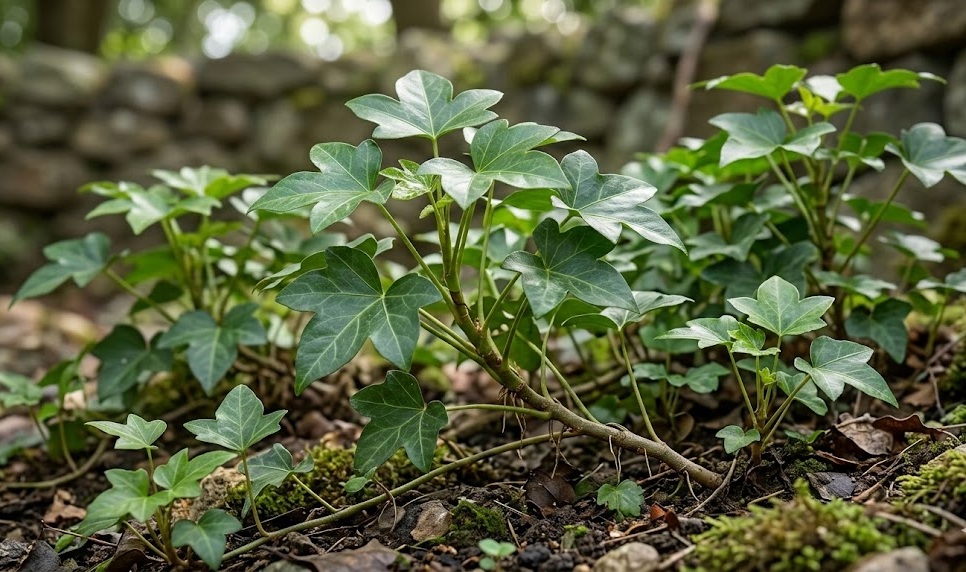

Maintaining a healthy tree ivy requires a deep understanding of its unique hybrid nature, as it combines the best traits of its parent plants. This plant is a cross between the common ivy and the Japanese fatsia, resulting in a versatile yet demanding evergreen specimen. To ensure it thrives in an indoor or sheltered outdoor environment, one must pay close attention to its specific growth habits. A successful gardener knows that consistency in care is the foundation for a lush and vibrant foliage display.
The environmental conditions where you place your plant will dictate its long-term vitality and overall growth rate. It is generally recommended to find a spot that offers stability in both temperature and light exposure throughout the year. Avoid placing the container near drafty windows or heating vents, as sudden changes in air movement can stress the leaves. By observing the plant daily, you can quickly identify any subtle changes that might indicate a need for a slight adjustment in its surroundings.
Providing the right physical support is another crucial aspect of caring for this particular hybrid variety. Since it possesses the semi-climbing nature of ivy but the sturdier stem of a shrub, it often requires a moss pole or a trellis. Without proper support, the stems may begin to lean or sprawl in a way that looks untidy and puts unnecessary strain on the root system. Securing the branches gently with soft ties will encourage an upright growth habit that maximizes the visual impact of its large leaves.
Finally, regular inspection of the foliage is a practice that separates novice gardeners from true experts in the field. Dusting the leaves with a damp cloth not only keeps the plant looking pristine but also ensures that the stomata are clear for respiration. During these cleaning sessions, take the opportunity to look at the undersides of the leaves for any early signs of trouble. This proactive approach allows you to maintain a healthy specimen that will continue to grace your space for many years to come.
Choosing the right growing medium
The foundation of any healthy potted plant starts beneath the surface with a high-quality growing medium designed for drainage. For tree ivy, a peat-based potting mix that is enriched with perlite or coarse sand provides the ideal balance of moisture retention and aeration. If the soil is too heavy, the roots will struggle to breathe, which often leads to a decline in the plant’s overall vigor. It is wise to invest in a professional-grade substrate rather than using garden soil, which can harbor pathogens and compress over time.
More articles on this topic
When selecting a container, ensure that it has ample drainage holes at the bottom to allow excess water to escape freely. A pot that is too large for the current root ball can hold too much moisture, creating a swampy environment that the plant will not tolerate. As the plant matures, you will need to refresh the top layer of soil every spring to replenish lost nutrients and improve structure. This simple task can significantly boost the plant’s health during the peak growing season when energy demands are at their highest.
Soil acidity also plays a subtle yet important role in the nutrient uptake of this specific evergreen hybrid. Ideally, the pH should remain slightly acidic to neutral, as this range allows the roots to absorb essential minerals efficiently. If you notice the leaves becoming pale or yellowing despite proper watering, it may be time to test the soil’s chemical balance. Adding a bit of organic compost can help maintain the desired acidity while providing a slow-release source of vital organic matter.
Compaction is a common issue in long-term container gardening that must be addressed to keep the root system healthy. Over time, frequent watering can pack the soil particles tightly together, excluding the oxygen that roots desperately need to function. You can gently aerate the soil using a thin wooden skewer, being careful not to damage the delicate feeder roots near the surface. This practice encourages better water penetration and ensures that every part of the root system receives the resources it needs to sustain the foliage.
Managing indoor and outdoor temperatures
Temperature management is a critical factor because this plant prefers a cooler environment compared to many other common tropical houseplants. It thrives in temperatures ranging between 10 and 18 degrees Celsius, making it perfect for unheated hallways or cool sunrooms. During the summer months, it is essential to keep the plant away from direct, intense heat which can cause the leaves to wilt. If the room becomes too warm, increasing the local humidity can help the plant cope with the thermal stress.
More articles on this topic
In regions with mild winters, this hybrid can often be kept outdoors in a sheltered location where it is protected from hard freezes. However, if you live in a climate where temperatures regularly drop below freezing, it is safest to bring the plant indoors. A sudden frost can damage the cell structure of the leaves, leading to unsightly black spots or complete defoliation. Gradual acclimatization is the key when moving the plant between different environments to avoid the shock of sudden temperature swings.
Nighttime temperatures should ideally be slightly lower than daytime temperatures to mimic the plant’s natural habitat. This diurnal variation helps the plant regulate its metabolic processes and promotes a more robust and resilient growth habit. In modern homes, this can often be achieved by placing the plant in a room that is not heavily insulated or heated during the night. Consistency is more important than absolute perfection, so try to avoid extreme fluctuations that can occur near external doors.
During the heat of mid-summer, the plant might enter a semi-dormant state if the conditions become too oppressive for its liking. You may notice that new leaf production slows down significantly until the cooler weather of autumn arrives. To help it through these warm periods, you can move the pot to a tiled floor or a lower shelf where the air is naturally cooler. Monitoring the ambient temperature with a simple thermometer can give you the data needed to make informed decisions about its placement.
Humidity and atmospheric conditions
While the tree ivy is relatively adaptable, it truly excels when the surrounding air contains a moderate amount of moisture. Dry indoor air, especially during the winter months when heating systems are active, can lead to crisp, brown leaf edges. To counteract this, placing the pot on a tray filled with pebbles and a small amount of water can create a localized humid microclimate. This method is much more effective and consistent than occasional misting, which only provides a very temporary boost.
In professional settings or large collections, using a dedicated humidifier can maintain the ideal levels required for lush foliage. High humidity levels also help to discourage certain pests, such as spider mites, which thrive in dry and dusty conditions. If you notice the new leaves are smaller than usual or struggling to unfurl, it is often a sign that the air is too dry. Maintaining a relative humidity of around fifty percent is generally considered the sweet spot for this evergreen hybrid.
Air circulation is just as important as humidity, as stagnant air can lead to the development of fungal issues on the leaves. Ensure that there is enough space between your plants to allow for gentle air movement, which helps to dry out the leaf surfaces after cleaning. However, be careful to distinguish between good air circulation and a cold draft, as the latter can be quite damaging. A well-ventilated room ensures that the plant has access to fresh carbon dioxide for photosynthesis while keeping pathogens at bay.
If you choose to keep your plant in a kitchen or a bathroom, the naturally higher humidity in these rooms can be very beneficial. Just be sure that these locations also provide the necessary light levels, as humidity alone cannot compensate for a lack of energy. Grouping several plants together can also create a collective transpiration effect, where the plants share moisture and create their own beneficial atmosphere. This natural synergy is one of the easiest ways to keep your green companions happy without extra equipment.
Structural support and training techniques
Because of its unique genetic heritage, the tree ivy grows with a semi-upright but somewhat floppy stem that requires guidance. Left to its own devices, it will eventually collapse under its own weight, which can lead to broken branches and a messy appearance. Using a sturdy central stake, such as a bamboo pole or a plastic-coated garden rod, is the most common way to provide stability. As the plant grows taller, you should periodically check the ties to ensure they are not cutting into the expanding stems.
For a more decorative look, a wire trellis or a wooden framework can be used to train the plant into specific shapes. This allows the large, lobed leaves to be displayed more effectively, creating a vertical green wall effect in your home or office. Gently weaving the flexible young stems through the trellis structure will encourage the plant to fill out the designated area. This type of training requires a bit of patience, but the architectural result is well worth the effort for any interior designer.
The timing of your training efforts is important, as younger stems are much more pliable and less likely to snap when bent. It is best to perform major structural adjustments in the spring when the plant is entering its most active phase of growth. If a stem has become too woody and stiff, it may be better to prune it back rather than trying to force it onto a support. Always use soft materials for tying, such as nylon strips or specialized garden twine, to protect the delicate outer bark of the plant.
As the plant reaches the top of its support system, you have the choice of letting it spill over or pruning it to maintain a specific height. Many gardeners prefer to pinch out the growing tips to encourage the plant to branch out lower down, resulting in a bushier specimen. This technique prevents the plant from becoming “leggy,” where the bottom of the stem loses its leaves while the top continues to grow. A well-supported and properly trained plant always looks more professional and cared for than one left to grow wild.
Seasonal maintenance and leaf hygiene
The needs of your plant will shift significantly as the seasons change, requiring a flexible approach to its overall maintenance routine. During the spring and summer, the plant is focused on producing new foliage and expanding its root system, which requires more frequent attention. In contrast, the autumn and winter months are a time for rest, where the plant’s metabolic rate drops and it needs less intervention. Understanding these natural cycles will help you avoid the common mistake of over-caring for the plant during its dormant phase.
Leaf hygiene is a year-round responsibility that involves more than just aesthetics; it is vital for the plant’s physiological health. Large leaves act like dust magnets, and a thick layer of grime can significantly reduce the amount of light the plant can absorb. Every few weeks, take the time to wipe down each leaf with a soft, damp cloth or a sponge using lukewarm water. Avoid using leaf shine products, as these can sometimes clog the pores and attract even more dust over the long term.
Pruning away any dead or damaged leaves is a simple task that keeps the plant looking its best while preventing the spread of decay. If a leaf has turned completely yellow or brown, it is no longer contributing to the plant’s energy production and should be removed. Use sharp, sterilized shears to make clean cuts near the main stem, which will help the plant heal quickly and cleanly. This regular grooming also allows you to get a close look at the plant and catch any potential problems before they escalate.
In the spring, it is often beneficial to give the entire plant a gentle shower in the sink or bathtub to wash away accumulated winter dust. This mimics a natural rain shower and can be very refreshing for the plant, provided the water is not too cold. Be sure to let the excess water drain away completely and ensure the leaves are dry before placing the plant back in its usual spot. This thorough cleaning routine will rejuvenate the foliage and give the plant a great start to the new growing season.
Long-term health and repotting strategies
A tree ivy can live for many years, but its long-term health depends on having enough space for its roots to grow and function. Every two to three years, you should check if the plant has become root-bound by gently lifting it out of its pot. If you see a dense mass of roots circling the inside of the container, it is definitely time for a larger home. Repotting is best done in the early spring, just as the plant is waking up from its winter rest and preparing for new growth.
Choose a new pot that is only one size larger than the current one, as a massive jump in size can lead to soil moisture problems. When moving the plant, try to disturb the root ball as little as possible, but gently loosen any tightly coiled roots at the bottom. Fill the gaps with fresh potting mix, ensuring there are no large air pockets left around the roots. Firm the soil down gently with your fingers, but do not pack it so hard that you prevent water and air from moving through.
After repotting, give the plant a thorough watering to help settle the soil and reduce the stress of the move. It is normal for the plant to look a bit wilted for a few days as it adjusts to its new container and substrate. Keep it in a slightly more shaded spot during this transition period to minimize water loss through the leaves. Once you see new growth appearing, you can be confident that the repotting was successful and the plant is established.
For very large specimens that are difficult to move, you can practice “top-dressing” instead of a full repotting. This involves removing the top few inches of old soil and replacing it with a fresh, nutrient-rich potting mix. This provides a fresh boost of minerals and improves the soil structure without the trauma of a complete move. Top-dressing is an excellent way to maintain the health of mature plants that have reached their permanent home in a large decorative planter.