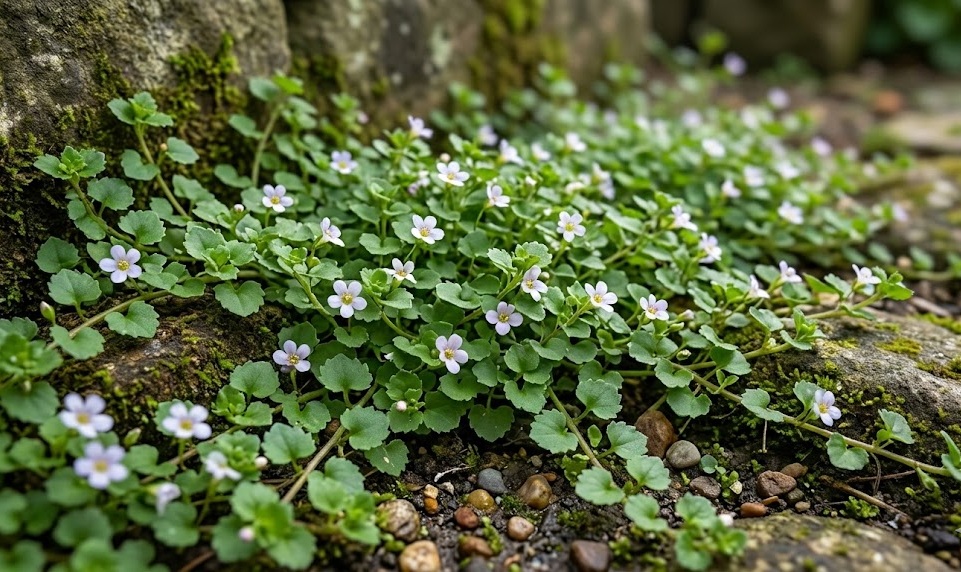

Maintaining the health of your garden requires a proactive stance against the various biological threats that can undermine the beauty of your plants. You should familiarize yourself with the common signs of infection and infestation so that you can intervene before the damage becomes irreversible. These trailing plants are generally robust, but they can fall victim to specific issues if the environmental conditions become unfavorable or if pests are introduced. A combination of good cultural practices and targeted treatments is the best defense for your prized ornamental displays.
Identifying and preventing fungal infections
Fungal problems are often the result of excessive moisture and poor air circulation around the dense foliage of the plant. You should look for signs of powdery mildew, which appears as a white, flour-like dusting on the surface of the leaves and stems. Another common issue is botrytis, also known as gray mold, which can cause the delicate flowers to turn brown and mushy during periods of high humidity. Identifying these symptoms early allows you to take corrective action by adjusting your watering habits and improving the airflow in the garden.
The best way to prevent fungal outbreaks is to ensure that the foliage remains as dry as possible during the irrigation process. You should always water the plants at the base, directing the stream of water into the soil rather than over the top of the flowers and leaves. If you must water overhead, do so early in the morning so that the sun has plenty of time to dry the plant before evening arrives. Maintaining a dry canopy is a fundamental rule for anyone who wants to avoid the frustration of fungal diseases in hanging baskets.
Proper spacing between your containers and other garden plants is another critical factor in managing the risk of infection throughout the season. You should avoid overcrowding your displays, as stagnant air between plants creates a perfect microclimate for fungal spores to germinate and spread. If you notice that a plant is becoming too dense in the center, you can carefully thin out some of the stems to promote better internal ventilation. Good air movement is a natural and highly effective fungicide that every gardener should utilize in their maintenance routine.
If a fungal infection does take hold, you should immediately remove and destroy any affected plant parts to prevent the spores from spreading to healthy tissue. You can use a mild copper-based fungicide or a biological treatment containing beneficial bacteria to get the problem under control. It is important to treat the entire plant and ensure thorough coverage, especially on the undersides of the leaves where many fungi prefer to hide. Consistent monitoring following treatment will help you ensure that the infection has been completely eradicated from your garden.
More articles on this topic
Managing root rot and soil-borne issues
Root rot is perhaps the most dangerous threat to the long-term survival of your plants, and it is almost always caused by poor drainage or overwatering. You should be concerned if you notice the plant wilting despite the soil being wet, as this is a classic sign that the roots are no longer functioning. Upon inspection, affected roots will appear dark brown or black and feel slimy to the touch rather than firm and white. Once root rot has progressed significantly, it can be very difficult to save the specimen, making prevention your most important strategy.
To avoid soil-borne problems, you should always use fresh, high-quality potting mix that is free from pathogens and has excellent drainage characteristics. Reusing old soil from previous years can introduce dormant diseases and pests that will quickly attack your new, healthy plants. You should also ensure that your containers are thoroughly cleaned and disinfected before you begin the planting process in the spring. Starting with a clean and sterile environment is the first step in a professional-grade plant health management plan.
If you suspect the beginning stages of root rot, you must immediately stop watering and allow the soil to dry out significantly. You can try to rescue the plant by removing it from the pot, trimming away any diseased roots, and repotting it in fresh, dry substrate. Adding a small amount of perlite or coarse sand to the mix can help improve the aeration and drainage for the future. Being decisive in your response to root health issues is the only way to prevent the total loss of your ornamental arrangements.
Monitoring the smell of the soil can actually provide you with early clues about the health of the subterranean environment in your pots. Healthy soil should have a clean, earthy scent, while soil that is suffering from anaerobic conditions and rot will often smell sour or sulfurous. You should trust your senses and investigate any unusual odors that might indicate a problem beneath the surface of the earth. Keeping the roots breathing and healthy is the key to supporting a lush and productive canopy of flowers above.
More articles on this topic
Common insect pests and their control
Aphids are one of the most frequent visitors that can cause significant distress to the tender new growth of your trailing plants. You should look for small, green or black insects clustering around the tips of the stems and the undersides of the developing flower buds. These pests suck the sap from the plant, leading to distorted leaves and a sticky substance known as honeydew that can attract secondary issues. A strong blast of water from a garden hose is often enough to dislodge light infestations and keep the population under control.
Whiteflies are another common pest that can become a major nuisance in warm, sheltered garden locations or indoor settings. You will notice them as tiny, moth-like insects that fly up in a cloud when you disturb the foliage of the plant. Like aphids, they feed on the internal fluids of the plant and can cause a general decline in vigor if they are allowed to multiply unchecked. Yellow sticky traps are a useful tool for monitoring their presence and capturing the adult insects before they can lay more eggs.
Spider mites can be particularly problematic during hot, dry spells when the humidity levels in the garden are very low. You might notice fine webbing between the leaves and a stippled, yellowish appearance on the foliage, which indicates that the mites are feeding. Because they are nearly invisible to the naked eye, you may need a magnifying glass to confirm their presence on the underside of the leaves. Increasing the local humidity and misting the plants regularly can create an environment that is less hospitable to these tiny but destructive arachnids.
For more persistent pest problems, you should consider using insecticidal soaps or neem oil, which are effective and relatively safe for the environment. These treatments work by coating the insects and disrupting their biological processes without leaving harmful residues on the plants. It is essential to apply these products during the cooler parts of the day to avoid leaf scorch and to ensure that you cover all surfaces of the foliage. Integrating these natural controls into your routine allows you to manage pests without resorting to harsh synthetic chemicals.
Implementing biological and natural defenses
Encouraging beneficial insects into your garden is a sustainable and highly effective way to manage pest populations naturally. You should aim to create a diverse ecosystem that supports ladybugs, lacewings, and predatory mites, which all feed on common garden pests. Planting a variety of flowering species nearby can provide the nectar and habitat needed to keep these “garden allies” active and healthy. A balanced environment where predators and prey exist together is much more resilient than a sterile garden that relies solely on chemical intervention.
Maintaining the overall health and vigor of your plants is their primary defense against both diseases and pests. You should understand that stressed plants produce chemical signals that actually attract insects and make them more susceptible to infection. By providing optimal light, water, and nutrition, you are strengthening the plant’s natural immune system and its physical barriers. A strong, healthy plant can often withstand a minor pest infestation or a period of high disease pressure without suffering significant damage.
Companion planting is another technique that expert gardeners use to deter pests and improve the health of their floral displays. You might find that placing certain aromatic herbs or flowers nearby can mask the scent of your plants and make them less attractive to insects. Some plants even release chemical compounds from their roots that suppress harmful soil organisms and promote a healthier subterranean environment. Experimenting with different plant combinations can lead to a more harmonious and self-sustaining garden space.
Regular physical inspections are the most important part of any natural defense strategy, as they allow you to catch problems while they are still small. You should make it a habit to pick off any visible caterpillars or beetles by hand and to prune away any heavily infested stems immediately. Being proactive and involved in the daily life of your garden reduces the need for large-scale interventions later in the season. Your eyes and hands are the most effective tools you have for maintaining a healthy and beautiful outdoor environment.
Advanced diagnostic and treatment strategies
When a plant shows signs of distress that you cannot immediately identify, it is helpful to consult with local gardening experts or professional diagnostic services. You can take clear photographs or physical samples to your local nursery to get a more accurate assessment of the problem. Sometimes what looks like a disease is actually a nutrient deficiency or an environmental issue that requires a different approach to solve. Getting an expert opinion can save you time and money by ensuring that you are treating the correct underlying cause of the distress.
Using systemic treatments should be reserved for severe cases where topical applications have failed to control the problem effectively. These products are absorbed by the plant and provide long-term protection from the inside out, which can be useful for persistent pests like whiteflies. However, you must be careful when using these chemicals, as they can also harm beneficial insects and pollinators that visit your flowers. Always read the labels carefully and consider the broader impact on your garden ecosystem before applying systemic products.
Keeping a clean garden environment is an ongoing task that significantly reduces the overall pressure from pests and diseases. You should regularly clear away fallen leaves, spent flowers, and any other organic debris that can harbor pathogens or insects over the winter. Maintaining tidy garden beds and clean tools prevents the accidental transfer of problems from one area of your landscape to another. Professionalism in gardening is often found in the small details of cleanliness and organization that prevent issues from arising in the first place.
Ultimately, the goal is to develop a deep understanding of the unique challenges and vulnerabilities of your specific garden location. You will find that some years are worse for certain pests or diseases than others, depending on the weather patterns and local environment. By building your knowledge and refining your techniques over time, you become more adept at anticipating and neutralizing threats to your plants. Success in gardening is a journey of continuous learning and adaptation to the ever-changing forces of nature.