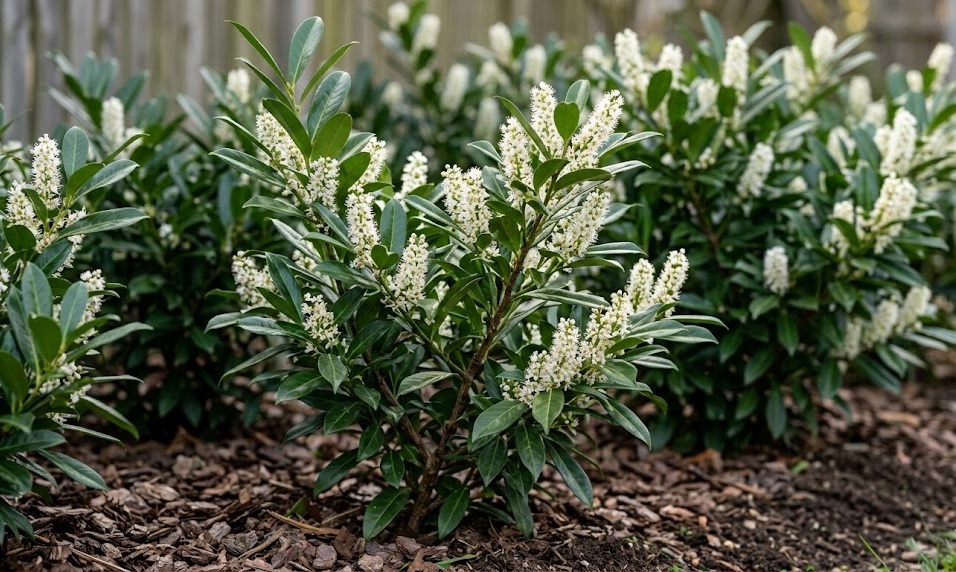

The precise management of water and nutrients is the cornerstone of maintaining a professional-grade cherry laurel specimen in any agricultural or garden setting. You must understand that while these shrubs are relatively drought-tolerant once established, they require consistent hydration during their initial years. Overwatering can be just as detrimental as neglect, as it often leads to oxygen depletion in the soil and subsequent root decline. Finding the perfect balance is a skill that distinguishes expert horticulturists from casual observers of the natural world.
The frequency of watering should be dictated by the specific soil type and the current weather conditions in your local area. You should perform a simple soil test by inserting your finger into the earth to check the moisture levels at a depth of several centimeters. Sandy soils will require more frequent applications of water, while clay-heavy soils tend to retain moisture for much longer periods. Professional irrigation involves adapting your schedule to the actual needs of the plant rather than following a rigid calendar.
During periods of extreme heat or prolonged drought, the water requirements of cherry laurel can increase significantly to compensate for transpiration. You should aim to provide deep irrigation that penetrates the entire root zone rather than light surface watering which encourages shallow roots. Early morning is the ideal time for watering, as it allows the foliage to dry before evening and reduces the risk of fungal growth. A professional gardener stays ahead of the weather by monitoring the forecast and adjusting the irrigation levels accordingly.
Using a drip irrigation system or a soaker hose is often the most efficient way to deliver water directly to the base of the laurel. This method minimizes water waste through evaporation and ensures that the moisture reaches the roots where it is needed most. You should also be mindful of the drainage capacity of your site to prevent water from pooling around the trunk for extended periods. Professional water management is both an art and a science that requires constant observation and technical expertise.
Selecting the right fertilizers for growth
Choosing a fertilizer for cherry laurel involves understanding the specific nutrient ratios required for healthy evergreen development. You should look for a balanced product that provides equal parts nitrogen, phosphorus, and potassium, often labeled as a 10-10-10 formula. Nitrogen is particularly important for these shrubs as it promotes the lush, green foliage that is the hallmark of the species. A professional fertilization plan begins with a clear understanding of the chemical needs of the plant and the current status of the soil.
More articles on this topic
Slow-release fertilizers are generally preferred for cherry laurel because they provide a steady supply of nutrients over an extended period. This approach prevents the sudden surge of soft growth that can be easily damaged by pests or cold weather in the late season. You should apply the fertilizer evenly around the drip line of the shrub, which is the area directly beneath the outermost branches. Professional growers avoid placing concentrated fertilizer directly against the trunk to prevent chemical burns on the bark.
Organic options, such as well-rotted manure or high-quality compost, can also provide an excellent source of nutrients while improving soil structure. These materials encourage the activity of beneficial soil microorganisms that help to break down nutrients and make them more available to the plant. You might consider incorporating organic matter into the soil during the planting phase and as a top-dressing in subsequent years. A professional approach often combines synthetic and organic methods to achieve the best possible results for the landscape.
You must be careful not to over-fertilize, as an excess of nutrients can lead to salt buildup in the soil and damage the sensitive root hairs. Signs of over-fertilization often include leaf burn or a sudden decline in the overall health of the shrub despite adequate water. If you suspect a nutrient imbalance, performing a professional soil analysis can help you identify the exact problem and find a solution. Expert gardening is always based on data and careful observation rather than guesswork or excessive application of chemicals.
Timing and application techniques
The timing of fertilizer application is just as important as the type of product you choose for your cherry laurel. You should typically apply the first round of nutrients in early spring just as the new growth begins to emerge from the buds. This provides the plant with the necessary energy to produce a strong flush of foliage and expand its root system. Professional gardeners often schedule their fertilization tasks to coincide with periods of active growth for maximum efficiency.
More articles on this topic
A second, lighter application can be made in early summer to support the plant during the warmest months of the year. However, you should strictly avoid fertilizing late in the autumn, as this can stimulate new growth that will not have time to harden before winter. This soft tissue is highly vulnerable to frost damage and can compromise the structural integrity of the entire shrub. A professional understanding of the plant’s natural dormancy cycle is essential for proper nutrient management.
When applying granular fertilizers, you should always water the area thoroughly immediately after application to help the nutrients dissolve and reach the roots. This also helps to wash any stray granules off the leaves to prevent localized chemical damage to the foliage. If you are using liquid fertilizers, ensure that the concentration is correct according to the manufacturer’s instructions to avoid root shock. Expert application techniques ensure that every gram of fertilizer is used effectively by the plant without harming the environment.
You should also consider the impact of competition from weeds and nearby lawn grass when planning your fertilization strategy. These other plants can quickly absorb the nutrients intended for your cherry laurel if the area around the base is not kept clear. Maintaining a clean, mulched circle around the shrub ensures that the fertilizer reaches its target and promotes the desired growth. A professional gardener manages the entire micro-environment to ensure the primary plants receive the best possible care.
Identifying and correcting deficiencies
Learning to read the visual signals of your cherry laurel can help you identify nutrient deficiencies before they cause permanent damage. If you notice that the newer leaves are turning yellow while the veins remain green, the plant may be suffering from iron chlorosis. This condition is often related to soil pH levels that are too high, making it difficult for the roots to absorb essential minerals. A professional response involves adjusting the soil chemistry or applying chelated iron to restore the health of the foliage.
General yellowing of the older leaves can often indicate a nitrogen deficiency, which limits the plant’s ability to produce chlorophyll and grow. You should respond by applying a high-nitrogen fertilizer or top-dressing the soil with organic matter to boost the available nutrient levels. Stunted growth and poor leaf development are also common signs that the plant is not receiving the structural support it needs from the soil. Expert horticulturists use these visual cues as diagnostic tools to refine their ongoing maintenance plans.
Phosphorus and potassium deficiencies are less common but can manifest as weak stems or poor resistance to environmental stressors like cold and drought. If the edges of the leaves appear brown or scorched, it may be a sign of potassium issues or an accumulation of salts in the soil. You should always confirm your suspicions with a soil test before making significant changes to your fertilization routine. Professionalism in gardening requires a cautious and scientific approach to solving nutritional problems in the landscape.
In some cases, the problem may not be a lack of nutrients in the soil but rather an inability of the roots to access them due to poor health. Root rot caused by overwatering or compacted soil can prevent the plant from taking up even the most abundant minerals. You must address the underlying environmental conditions before expecting a positive response to additional fertilization efforts. Expert care involves looking at the whole system and ensuring that the physical environment supports the chemical processes of the plant.
Long-term nutrient and water strategy
Developing a sustainable long-term strategy for watering and fertilization will ensure that your cherry laurel remains an asset for many years. You should aim to build a soil environment that is naturally rich and self-sustaining through the regular addition of organic mulch. This reduces the need for frequent synthetic inputs and creates a more resilient ecosystem for the plants and soil organisms. A professional gardener focuses on building soil health as the primary way to support the long-term vitality of the landscape.
As the shrubs mature and their root systems expand, they will generally become more efficient at finding water and nutrients on their own. You can gradually reduce the frequency of manual intervention while still keeping a watchful eye on the plants during extreme weather. Monitoring the overall vigor and density of the foliage over several seasons will help you determine if your long-term strategy is successful. Professionalism is measured by the enduring health and beauty of the plants under your care.
You should also be mindful of the environmental impact of your gardening practices, particularly regarding water conservation and fertilizer runoff. Using mulch and efficient irrigation techniques helps to protect local water resources while still maintaining a lush garden. Avoiding excessive chemical use prevents the contamination of groundwater and supports the diversity of beneficial insects in the area. Expert horticulturists are often at the forefront of sustainable practices that balance aesthetic goals with ecological responsibility.
Finally, staying curious and continuing to learn about the latest developments in plant nutrition and irrigation technology will help you improve your skills. The more you understand the complex relationship between soil, water, and plants, the more effective your care will become. Every cherry laurel in your garden offers a new opportunity to refine your techniques and achieve professional-level results. A lifelong commitment to the art of gardening is what truly makes a master of the landscape.