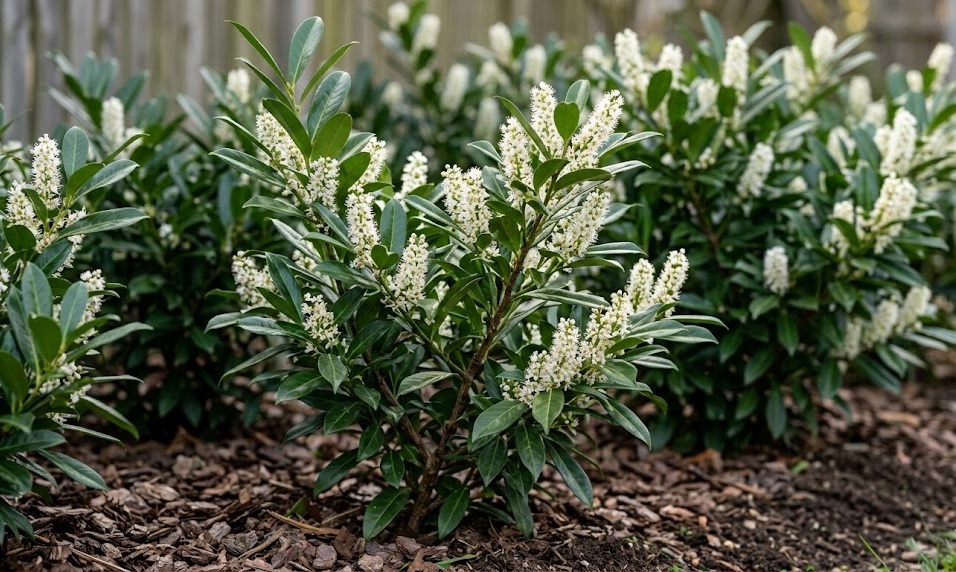

The comprehensive care of cherry laurel requires a disciplined approach to ensure the evergreen foliage remains vibrant throughout the entire year. You should regularly inspect the leaves for any signs of discoloration or texture changes that might indicate underlying physiological stress. Maintaining a consistent maintenance schedule allows the plant to develop a strong root system and a dense canopy for privacy. Success in cultivating this species depends on your ability to balance environmental factors with specific biological requirements of the shrub.
Proper soil management serves as the foundation for the long-term health of any cherry laurel specimen in a professional landscape. You must ensure that the growing medium is well-drained and rich in organic matter to support vigorous root expansion. Testing the soil acidity periodically helps in maintaining the ideal pH range which facilitates optimal nutrient uptake. Avoiding compacted earth around the base of the plant prevents root suffocation and promotes better water infiltration during the growing season.
Monitoring the growth rate of your shrubs provides valuable insights into the effectiveness of your current gardening practices. You should observe how the new shoots emerge in the spring to determine if the plant has enough energy reserves. A healthy specimen will typically produce glossy and dark green leaves that feel firm to the touch. If you notice stunted growth or pale foliage, it is often a sign that the environmental conditions need immediate adjustment.
Professional gardeners understand that protecting cherry laurel from extreme weather conditions is essential for maintaining its aesthetic value. You should consider the impact of strong winds which can cause physical damage to the large leaves and lead to desiccation. Providing a sheltered location or using temporary screens during harsh periods can significantly reduce the risk of winter burn. Consistent observation and proactive intervention are the hallmarks of expert care for these versatile evergreen plants.
Nutritional requirements and soil health
Providing the correct balance of macronutrients and micronutrients is vital for the structural integrity of the cherry laurel branches. You should apply a high-quality organic mulch around the root zone to suppress weeds and maintain a steady moisture level. This layer of organic material slowly decomposes and enriches the soil with essential elements over several months. A well-nourished plant is far more resilient to environmental stressors and common pathogens found in agricultural settings.
More articles on this topic
The physical structure of the soil influences how well the root system can anchor the plant and access deep water reserves. You should aim for a loamy texture that allows for both aeration and moisture retention without becoming waterlogged. If the soil is naturally heavy in clay, incorporating sand or compost can greatly improve its drainage characteristics. Professional growers often prioritize soil health as the most critical factor in achieving a lush and dense privacy screen.
You must be aware of the specific mineral needs of evergreen shrubs to prevent common leaf yellowing issues known as chlorosis. Applying a balanced fertilizer with a focus on nitrogen can stimulate the production of chlorophyll and enhance the deep green color. Iron and magnesium supplements might be necessary if the soil tests indicate a deficiency in these specific micronutrients. Regular soil analysis allows for precise adjustments rather than relying on generalized feeding schedules that might be ineffective.
Maintaining the integrity of the root zone also involves avoiding excessive disturbance from heavy machinery or frequent digging. You should establish a clear perimeter around the base of the laurel to prevent accidental damage to the shallow feeder roots. Compaction of the soil can lead to poor oxygen exchange and eventually cause the decline of even the most established specimens. A professional approach involves respecting the biological boundaries of the plant to ensure its continued prosperity in the landscape.
Managing seasonal transitions
The transition from winter to spring marks a critical period for cherry laurel as it prepares for a new cycle of growth. You should begin your seasonal care by removing any dead or damaged wood that may have accumulated during the colder months. Cleaning the area around the base of the plant helps to reduce the habitat for potential pests and diseases. This initial preparation ensures that the plant can direct all its energy toward producing fresh and healthy new foliage.
More articles on this topic
As the temperatures rise in the summer, your primary focus should shift toward moisture management and heat protection. You must monitor the soil moisture levels more frequently to prevent the root ball from drying out completely. Applying a fresh layer of mulch can help to insulate the roots from high surface temperatures and reduce evaporation. Expert gardeners often use irrigation systems that deliver water directly to the soil surface to minimize moisture on the leaves.
The arrival of autumn signals the time to slow down the growth process and prepare the shrub for the coming dormancy. You should avoid heavy fertilization late in the season as this might encourage soft new growth that is susceptible to frost. Gradually reducing the frequency of watering helps the plant to harden off its tissues in anticipation of freezing temperatures. Planning these seasonal adjustments carefully ensures that the cherry laurel remains a permanent and beautiful fixture in the garden.
Winter care focuses primarily on preventing physical damage and protecting the evergreen leaves from extreme cold. You should ensure that the plant is well-hydrated before the ground freezes to help it withstand the drying effects of winter winds. If heavy snow accumulates on the branches, you should gently brush it off to prevent the wood from snapping under the weight. A professional gardener stays vigilant throughout the year to respond to the unique challenges presented by each changing season.
Optimization of hedging performance
When using cherry laurel as a hedge, the density of the foliage becomes the most important metric of success. You should ensure that each individual plant has enough space to expand while still maintaining a continuous wall of green. Regular light pruning encourages the lateral buds to break and fills in any gaps that might form in the lower sections. Achieving a uniform appearance requires a combination of precise cutting and consistent nutritional support for all plants in the row.
The height and width of the hedge should be managed according to the specific needs of the landscape and local regulations. You must decide on the desired dimensions early in the life of the plant to guide its growth through strategic pruning. Maintaining a slightly wider base than the top allows sunlight to reach the lower branches and prevents thinning near the ground. This professional shaping technique ensures that the hedge remains healthy and visually appealing from top to bottom.
Air circulation within a dense hedge is often overlooked but remains a critical factor in preventing fungal infections. You should avoid planting the shrubs too close to solid walls or other structures that might block the natural movement of air. Periodically thinning out some of the inner branches can help to increase light penetration and improve the overall environment inside the canopy. A professional approach balances the need for privacy with the biological necessity of adequate ventilation for the plants.
You should also consider the long-term sustainability of the hedge by monitoring the health of the individual specimens. If one plant begins to decline, it can create a noticeable gap that compromises the integrity of the entire privacy screen. Promptly identifying the cause of the problem and applying the necessary treatments can save the entire row from further damage. Consistency in care and a professional eye for detail are essential for maintaining a high-performing cherry laurel hedge.
Environmental adaptability and placement
Choosing the right location for cherry laurel is the first step toward reducing the amount of manual care required. You should assess the light conditions and wind exposure of the potential planting site before making a final decision. While this species is remarkably adaptable, it performs best in locations that offer some protection from the afternoon sun. Understanding the microclimate of your garden allows you to place the plant where it can thrive with minimal intervention.
The proximity of other large trees or structures can significantly affect the availability of water and nutrients for the laurel. You must ensure that the shrub is not in direct competition with aggressive root systems from nearby established trees. Providing adequate space allows the cherry laurel to develop its natural form without being crowded by other vegetation. Professional landscaping involves careful planning of the spatial relationships between different plant species to ensure harmony and health.
The drainage characteristics of the site must be evaluated to prevent issues with standing water and root rot. You should avoid planting in low-lying areas where water tends to collect after heavy rainfall or snowmelt. If the site has poor drainage, creating a raised bed or installing a drainage system might be necessary for success. Professional growers always prioritize site preparation to avoid the costly mistakes associated with poor environmental placement.
Urban environments present unique challenges such as air pollution and limited soil volume that you must take into account. Cherry laurel is generally tolerant of city conditions, but it still requires regular cleaning of the leaves to remove dust and soot. You should also be mindful of salt runoff from roads during the winter, which can be detrimental to the health of the foliage. Adapting your care routine to the specific challenges of your environment is a mark of an expert horticulturist.
Tools and equipment for professional maintenance
Selecting the right tools for maintaining cherry laurel can significantly improve the efficiency and quality of your gardening work. You should invest in high-quality pruning shears that produce clean cuts without crushing the delicate plant tissues. Dull blades can leave ragged edges that are more susceptible to disease and take longer to heal. Keeping your equipment clean and sharp is a fundamental practice for any professional who takes pride in their landscape.
For larger hedges, professional-grade hedge trimmers can save a considerable amount of time and physical effort. You must ensure that the blades are properly aligned and lubricated to achieve a smooth and even finish on the foliage. Using a string line or a laser level can help you maintain perfectly straight edges and a professional appearance. The right technology combined with skilled technique results in a superior aesthetic outcome for the garden.
Safety equipment should never be ignored when working with power tools or climbing ladders to reach high branches. You should wear protective gloves, eye protection, and sturdy footwear to prevent injuries during your maintenance tasks. A professional approach to gardening involves a commitment to safety as well as a focus on the health of the plants. Being properly prepared allows you to focus on the technical aspects of the work without unnecessary distractions.
Storing your tools in a dry and organized environment helps to extend their lifespan and ensures they are ready for use. You should wipe down all metal surfaces with a light oil to prevent rust and corrosion after each gardening session. Organizing your equipment according to the frequency of use makes the daily tasks of cherry laurel care more manageable. A professional gardener treats their tools with the same respect as the living organisms they are meant to care for.
Future planning and plant longevity
Thinking about the long-term development of your cherry laurel ensures that the plant remains an asset to your property for decades. You should anticipate the eventual size of the shrub and plan the surrounding landscape to accommodate its mature form. Regular rejuvenation pruning can help to refresh old specimens and maintain their vigor as they age. A professional perspective involves looking beyond the current season and envisioning the future of the garden.
Documenting your care routine and the response of the plants can provide valuable data for future gardening decisions. You might keep a simple log of fertilization dates, weather patterns, and any pest issues that you have encountered. This information allows you to identify trends and refine your approach to the specific needs of your cherry laurel. Expert horticulturists often rely on historical data to optimize the performance of their agricultural projects.
You should also stay informed about new varieties and advanced gardening techniques that can enhance your plant care skills. The field of horticulture is constantly evolving with new research into soil biology and disease management. Attending workshops or reading professional journals can provide you with the latest insights into maintaining a healthy landscape. A commitment to continuous learning is what separates a casual gardener from a true professional in the field.
Finally, sharing your experiences and observations with other enthusiasts can foster a sense of community and collective knowledge. You might find that your successes and challenges with cherry laurel are similar to those faced by other growers in your region. Working together to solve common problems leads to better outcomes for everyone involved in the art of gardening. A professional approach encompasses both technical expertise and a passion for the natural world.