
Maintaining a thriving eggplant crop requires a deep understanding of the plant’s specific physiological needs throughout the growing season. As a heat-loving member of the Solanaceae family, this vegetable demands consistent attention to environmental factors to ensure a bountiful harvest. Successful cultivation begins with creating a stable habitat where the plant can establish a strong root system and a robust canopy. By focusing on the nuances of daily maintenance, any gardener can achieve professional-grade results in their home or commercial garden.
Optimizing the growing environment
The first step in caring for these plants involves managing the ambient temperature and air circulation around the foliage. Eggplants are particularly sensitive to cold drafts and significant temperature fluctuations, which can lead to stunted growth or blossom drop. You should monitor the weather closely and provide temporary protection if night temperatures dip below fifteen degrees Celsius. Ensuring that the air remains humid but not stagnant will help prevent many common physiological disorders associated with heat stress.
Creating a microclimate that mimics the plant’s tropical origins will significantly enhance its metabolic processes and overall vigor. Many experts suggest using windbreaks or placing plants near heat-retaining structures to stabilize the local temperature during the evening hours. This stability allows the eggplant to focus its energy on fruit production rather than surviving environmental shocks. Regular observation of the leaf color and turgidity will provide immediate feedback on whether the current environment is suitable.
Soil health is another critical pillar of maintenance that requires ongoing intervention throughout the summer months. You must ensure that the soil remains loose and well-aerated to facilitate the movement of oxygen to the delicate root hairs. Compaction can be a major issue, especially in heavy clay soils, so shallow cultivation is often necessary after heavy rains. Be careful not to dig too deep near the base of the plant, as the root system is surprisingly shallow and easily damaged.
Finally, managing the competition from surrounding vegetation is essential for maintaining the health of your eggplant crop. Weeds not only steal vital nutrients and water but also act as secondary hosts for various pests and diseases. Removing weeds while they are small prevents them from establishing deep roots that would be difficult to extract without disturbing the eggplant. A clean garden bed ensures that all available resources are directed toward the development of high-quality, glossy fruits.
More articles on this topic
Structural support and plant stability
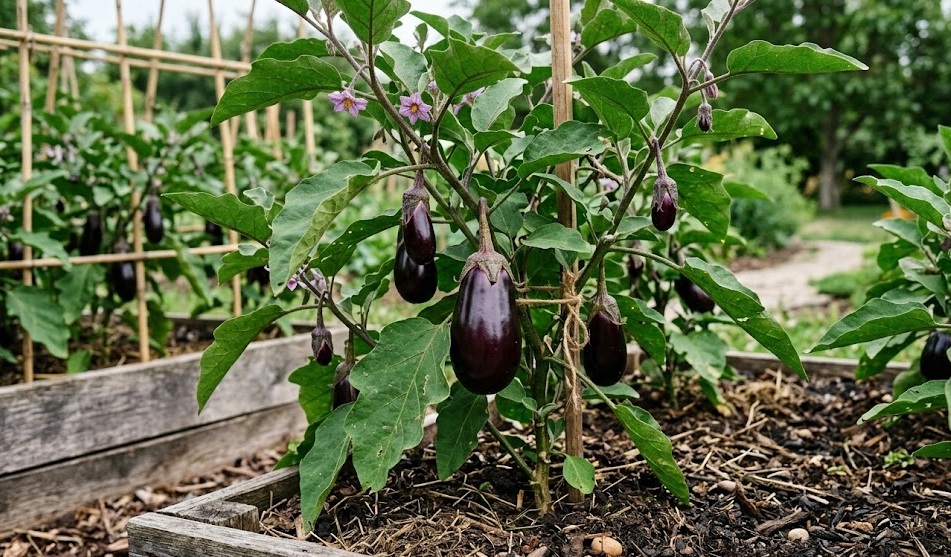
As the plants grow and begin to set heavy fruit, providing adequate physical support becomes a primary concern for the gardener. The stems of many eggplant varieties can become brittle under the weight of several large fruits, leading to accidental breakage. Installing sturdy stakes or cages early in the season prevents the need for intrusive adjustments later when the plant is more established. This proactive approach ensures that the fruit stays off the ground, reducing the risk of rot and soil-borne infections.
Tie the main stem loosely to the support structure using soft materials like twine or cloth strips to avoid cutting into the plant tissue. As the plant expands, you will need to add more ties to support the lateral branches that bear the majority of the crop. This vertical growth strategy also improves air circulation within the canopy, which is vital for preventing fungal outbreaks. By lifting the foliage, you also make it much easier to inspect the underside of leaves for early signs of pest activity.
The timing of support installation is crucial because doing it too late can damage the expanding root system or break established branches. Ideally, you should place your stakes at the time of transplanting or very shortly thereafter to guide the growth from the start. If you choose to use cages, ensure they are wide enough to accommodate the full mature width of the specific variety you are growing. Consistent monitoring of the ties is necessary to ensure they do not become too tight as the stem diameters increase.
Furthermore, proper staking contributes to more efficient light penetration, which directly impacts the rate of photosynthesis and fruit ripening. When a plant is allowed to flop over, the inner leaves become shaded and less productive, leading to a decline in overall plant health. Structured growth allows every leaf to contribute to the plant’s energy budget, resulting in faster growth and larger fruits. This systematic approach to plant architecture is a hallmark of professional horticultural practice.
More articles on this topic
Enhancing pollination and fruit set
Eggplants possess perfect flowers, meaning they contain both male and female parts, but they often require assistance to ensure successful pollination. In environments with low insect activity or stagnant air, the pollen may not effectively transfer from the anthers to the stigma. You can gently shake the plants or vibrate the flower clusters during the morning hours to encourage the release of pollen. This simple manual intervention can significantly increase the number of fruits that successfully develop on each plant.
Environmental conditions play a massive role in the viability of the pollen and the receptivity of the flowers. High temperatures above thirty-five degrees Celsius can cause pollen to become sterile, leading to the frustrating phenomenon of blossom drop. Providing shade during the hottest part of the day can help mitigate this risk and keep the flowers functional. Conversely, very high humidity can cause the pollen to clump, making it difficult for it to travel within the flower structure.
Attracting natural pollinators like bumblebees to your garden is one of the most effective long-term strategies for care. Planting a variety of nectar-rich flowers nearby will encourage these beneficial insects to visit your eggplants regularly. Bees are particularly good at “buzz pollination,” where they vibrate the flower at a specific frequency to release large amounts of pollen. This symbiotic relationship reduces the labor required by the gardener while ensuring a high rate of fruit set.
Once the fruit has set, you should monitor the development to ensure that the plant is not overtaxed by its own productivity. If a young plant sets too many fruits at once, it may stop growing or produce small, inferior vegetables. Thinning out some of the smaller or misshapen fruits allows the plant to direct its energy into a few high-quality specimens. This practice is especially important for larger varieties where the weight of the crop can physically stress the entire plant structure.
Mulching for moisture and temperature control
Applying a thick layer of organic mulch around the base of your eggplants is a transformative practice for long-term care. Mulch serves as a protective barrier that regulates soil temperature, keeping the roots cooler in the summer and warmer during chilly nights. Straw, dried grass clippings, or shredded leaves are excellent choices that also contribute organic matter to the soil as they decompose. This layer should be about five to ten centimeters thick to be truly effective at suppressing weeds and retaining moisture.
The moisture-retention properties of mulch are particularly beneficial for eggplants, which require consistent hydration to prevent bitter fruit. By reducing evaporation from the soil surface, mulch ensures that the root zone remains evenly moist even during dry spells. This consistency prevents the physiological stress that often leads to blossom end rot or split fruits. Furthermore, mulch prevents soil from splashing onto the leaves during rain, which is a common pathway for soil-borne pathogens.
From a biological perspective, a well-mulched garden bed fosters a healthy ecosystem of beneficial soil organisms. Earthworms and helpful bacteria thrive under the protected surface, continuously improving the soil structure and nutrient availability. These organisms break down the mulch into humus, which enhances the soil’s ability to hold onto vital minerals. Over time, this natural cycle reduces the need for synthetic inputs and creates a more resilient growing environment.
It is important to leave a small gap between the mulch and the actual stem of the eggplant to prevent moisture-related rot at the base. Direct contact between wet mulch and the plant tissue can invite fungal infections or provide a hiding spot for destructive slugs. Check the mulch level throughout the season and replenish it as needed to maintain its protective qualities. This simple maintenance task pays dividends in the form of healthier plants and a significantly reduced workload for the gardener.
Monitoring and adjusting to seasonal changes
As the growing season progresses from late spring into the heat of summer, the care requirements for your eggplant will naturally shift. Early in the season, the focus is on growth and protection from late frosts or cool evenings. As the heat intensifies, your priority must transition to moisture management and preventing thermal stress. Being proactive and observant allows you to anticipate these needs before the plant shows signs of distress.
In the peak of summer, you might notice that the plants grow rapidly, requiring more frequent checks of the support structures. Rapid growth can also lead to nutrient imbalances, so keep an eye out for any yellowing or spotting on the newer leaves. During this period, the water demand will be at its highest, and you may need to adjust your irrigation schedule accordingly. Afternoon wilting is a common sign that the plant is losing water faster than it can take it up, even if the soil is moist.
As autumn approaches and the days grow shorter, the metabolism of the eggplant will begin to slow down naturally. You should reduce the amount of nitrogen-rich fertilizer to prevent the growth of soft, succulent foliage that is susceptible to early frosts. If you have late-developing fruits, you can remove any new flowers to force the plant to ripen the existing crop. This ensures that you get a final harvest of mature fruit before the cold weather ends the growing season.
Understanding the life cycle of the eggplant allows you to work with the plant’s natural rhythms rather than against them. Each phase of growth offers unique challenges and rewards that require a specialized set of horticultural skills. By remaining attentive to the subtle changes in the garden, you can ensure that your plants remain productive until the very last harvest. Consistency is the hallmark of an expert gardener, and nowhere is this more true than in the care of eggplants.
Soil pH and micronutrient management
Eggplants thrive in slightly acidic to neutral soil, typically within the range of 6.0 to 6.8 on the pH scale. If the soil becomes too alkaline or too acidic, the plant will struggle to take up essential minerals, regardless of how much fertilizer you apply. Conducting a soil test at the beginning of the season provides a roadmap for any necessary amendments like lime or sulfur. Maintaining this balance is a fundamental aspect of care that often separates successful harvests from mediocre ones.
Beyond the primary nutrients, eggplants have a high demand for micronutrients such as magnesium and calcium. A deficiency in magnesium often manifests as interveinal chlorosis, where the areas between the leaf veins turn yellow while the veins stay green. Calcium is vital for cell wall strength and prevents the dreaded blossom end rot that can ruin an entire crop. Incorporating compost or specialized mineral supplements can help maintain these levels throughout the intensive growing period.
The relationship between soil moisture and nutrient availability is direct and must be managed carefully. If the soil dries out too much, the concentration of salts can increase, potentially burning the sensitive root hairs. Conversely, waterlogged soil excludes oxygen, leading to root rot and the inability to process nutrients effectively. Finding the “goldilocks” zone of moisture is essential for keeping the internal chemistry of the plant functioning at peak efficiency.
Expert gardeners often use foliar sprays containing seaweed extract or compost tea to provide a quick boost of micronutrients. These liquids are absorbed directly through the leaves and can bypass soil-related uptake issues during periods of stress. While not a replacement for good soil management, these supplemental treatments can help a plant recover from environmental shocks or heavy pest pressure. This holistic approach to nutrition ensures that the eggplant has everything it needs to produce flavorful and nutritious fruit.
Harvesting techniques for quality fruit
The final stage of eggplant care involves knowing exactly when and how to harvest the fruits for the best culinary quality. Unlike many other garden vegetables, eggplants are best harvested when they are slightly immature and the skin is still glossy. Once the skin turns dull, the seeds inside begin to harden and the flesh can become bitter and spongy. A gentle press with your thumb should leave a slight indentation that quickly bounces back if the fruit is at its peak.
Always use a sharp pair of pruning shears or a knife to harvest the fruit, rather than pulling it by hand. The stems are very tough and woody, and pulling can easily damage the plant or even uproot it entirely. Leave about two to three centimeters of the green calyx attached to the fruit to help it stay fresh for a longer period. This careful handling prevents bruising and ensures that the fruit retains its moisture and firm texture after being picked.
Regular harvesting actually encourages the plant to produce more flowers and continue fruiting throughout the season. If you leave overripe fruits on the plant, it sends a signal to stop production and focus on seed maturation. By staying on top of the harvest, you effectively extend the productive life of the eggplant and maximize your total yield. It is often helpful to check the plants every two or three days during the height of the summer to catch the fruits at the perfect moment.
Proper post-harvest care is the final detail that ensures all your hard work in the garden is not wasted. Eggplants do not store well for long periods and are sensitive to the very cold temperatures found in many modern refrigerators. They are best kept in a cool, dark place or in the warmest part of the fridge for no more than a few days. Consuming them shortly after harvest allows you to enjoy the delicate flavor and creamy texture that store-bought versions often lack.