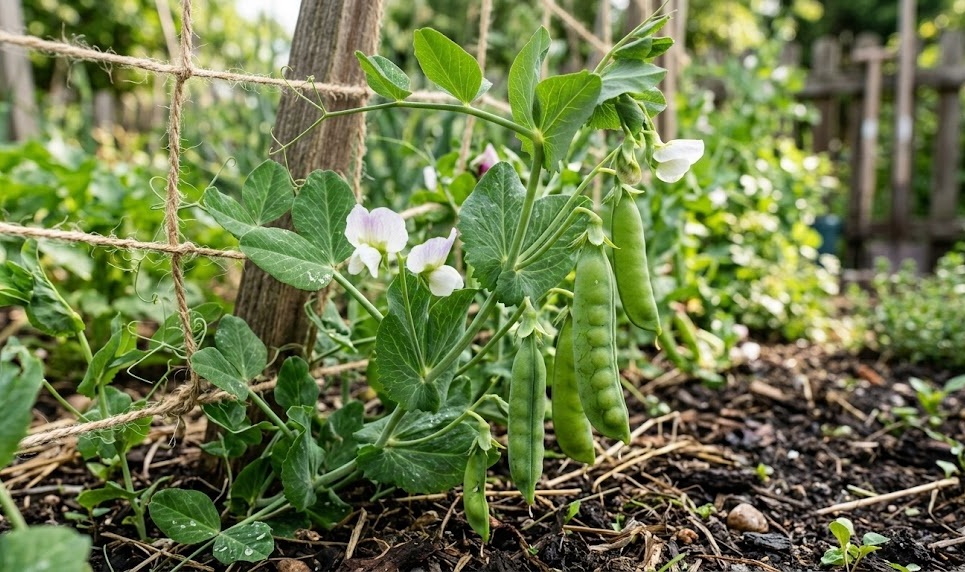

Protecting your green peas from the myriad of biological threats in the garden is a constant task for any serious grower. You must understand that healthy plants are the first line of defense against both microscopic pathogens and hungry insects. Maintaining optimal growing conditions reduces the environmental stress that often invites disease into your vegetable beds. By staying vigilant and informed, you can identify potential problems long before they have a chance to devastate your entire crop.
Fungal diseases are among the most common issues you will face, particularly during the damp and cool months of early spring. You might notice a white, powdery substance appearing on the leaves, which is the hallmark of the aptly named powdery mildew. This fungus thrives in conditions where the days are warm and the nights are cool and humid, which is common in many climates. If left untreated, it can spread rapidly, coating the foliage and eventually reducing the plant’s ability to photosynthesize effectively.
Soil-borne pathogens like Fusarium wilt and root rot can be even more insidious because they attack the plant from below the surface. You will see the lower leaves of your peas turning yellow and the entire vine wilting, even when the soil is perfectly moist. These diseases often persist in the soil for many years, making them very difficult to eliminate once they have established a presence. Choosing resistant varieties and practicing strict crop rotation are the most effective ways for you to manage these hidden threats.
Insects can also act as vectors for various viral diseases that are much harder to treat than simple fungal infections. You should watch for aphids and leafhoppers, which can transmit mosaic viruses that cause distorted leaves and stunted growth in peas. Once a plant is infected with a virus, there is no cure, and the best course of action is to remove it immediately. Protecting your garden from these pests is not just about saving the leaves, but about preserving the overall health of the ecosystem.
Identifying common insect pests in the garden
Aphids are small, soft-bodied insects that you will often find clustered on the tender new growth or the undersides of pea leaves. They feed by sucking the sap out of the plant, which can lead to curling leaves and a general loss of vigor. You should also be aware that aphids excrete a sticky substance called honeydew, which can attract ants and lead to the growth of sooty mold. Monitoring your plants daily allows you to catch these pests before their population explodes and causes significant damage.
More articles on this topic
The pea weevil is another significant threat that you might encounter, especially during the period when the pods are beginning to form. These small, brownish beetles lay their eggs on the developing pods, and the larvae then burrow inside to feed on the growing peas. You will notice small holes in the pods or damaged seeds inside if these pests have been active in your garden. Using floating row covers early in the season can be an effective physical barrier to prevent the adults from reaching your crop.
Leaf miners are the larvae of small flies that create distinctive winding tunnels inside the leaves of your green pea plants. While a few tunnels are usually just a cosmetic issue, a heavy infestation can significantly reduce the plant’s productive leaf area. You can identify their presence by the white, squiggly lines that appear on the surface of the foliage throughout the growing season. Removing and destroying the affected leaves can help break the life cycle of these pests and prevent further spread to healthy plants.
Slugs and snails are perennial garden enemies that love the cool, moist environment where peas naturally thrive. You will find large, irregular holes in the leaves or even find that young seedlings have been completely eaten overnight. These nocturnal pests are most active during rainy weather or shortly after you have finished watering your garden in the evening. Creating a clean, debris-free zone around your pea rows is one of the best ways for you to discourage these slimy visitors from staying.
Managing fungal and bacterial infections
Powdery mildew is a disease that you can often manage through cultural practices and timely intervention with organic sprays. You should ensure that your plants have plenty of space for air to circulate, which helps the foliage dry quickly after rain. If you see the first signs of the white fungus, a spray made from diluted milk or neem oil can often stop it in its tracks. Regular application during humid weather provides a protective layer that makes it difficult for fungal spores to germinate.
More articles on this topic
Downy mildew is another fungal concern that appears as yellow or pale green blotches on the upper surface of the leaves. If you flip the leaves over, you might see a grayish, fuzzy growth that confirms the presence of this specific pathogen. This disease is particularly fond of very wet conditions and can spread quickly through splashing water or wind-blown spores. Avoiding overhead irrigation is a critical step that you can take to keep the environment too dry for downy mildew to flourish.
Ascochyta blight is a complex of fungal diseases that causes dark, sunken spots on the leaves, stems, and pods of green peas. You will notice that the spots often have a concentric ring pattern and can eventually girdle the stem, killing the plant above the point of infection. This fungus can be carried on the seeds, so it is vital for you to start with certified disease-free seed from a reputable supplier. If the disease appears, you should remove the infected plants and avoid working in the garden when the vines are wet.
Bacterial blight shows up as water-soaked spots on the foliage that eventually turn brown and papery as the tissue dies. You might also see a “halo” of yellow around the spots, which is a classic symptom of many bacterial infections in the vegetable garden. These bacteria enter the plant through small wounds caused by wind, hail, or even your own tools during maintenance. Practicing good garden hygiene and disinfecting your pruning shears between plants can help prevent the accidental spread of this troublesome disease.
The role of viral diseases in pea crops
Mosaic viruses are a group of pathogens that cause distinctive mottled patterns of light and dark green on the leaves of your peas. You might also notice that the leaves become crinkled, narrowed, or otherwise distorted as the virus interferes with normal growth. Because there is no chemical treatment for viruses, your focus must be entirely on prevention and the control of insect vectors. If you identify a plant with these symptoms, you should pull it out and burn or bury it far away from your compost pile.
Enation mosaic virus is particularly destructive because it can cause strange, leaf-like outgrowths called “enations” on the undersides of the leaves. You will also see the pods becoming severely malformed and covered in small, bumpy projections that make them unmarketable and difficult to eat. This virus is primarily spread by the pea aphid, making aphid control a top priority for any professional pea grower. Choosing varieties that have been specifically bred for resistance to enation mosaic is the most reliable long-term solution for your garden.
Pea streak virus causes long, brown or reddish-brown streaks to appear on the stems and leaf veins of the affected plants. You will notice that the growing tips of the vines may die back, and any pods that do form are likely to be small and poorly filled. This virus is often spread by several types of aphids and can also infect other legumes like clover and alfalfa growing nearby. Keeping your garden free of perennial weeds that can host the virus and its vectors is a key part of an integrated management plan.
Understanding that viruses are systemic means that every part of the infected plant, including the roots and sometimes the seeds, carries the pathogen. You should never save seeds from a plant that has shown any signs of viral infection, even if it seems to have recovered slightly. The goal of a professional gardener is to break the cycle of infection by starting fresh each year with healthy material and a clean environment. By focusing on the health of the entire garden ecosystem, you can minimize the impact of these difficult viral challenges.
Integrated management and prevention techniques
The most powerful tool in your arsenal against diseases and pests is the practice of consistent crop rotation in your garden beds. You should never plant peas or other legumes in the same location more than once every three or four years to prevent pathogen buildup. This break in the cycle starves out soil-borne fungi and bacteria that specifically target the roots and stems of the pea plant. Planning your garden layout several years in advance is a hallmark of a truly professional and organized approach to agriculture.
Maintaining high standards of garden sanitation is another essential habit that you must develop to keep your plants healthy. You should remove all spent pea vines at the end of the season and avoid leaving old plant debris on the surface of the soil over winter. If your plants were diseased, do not add them to your compost pile, as many pathogens can survive the composting process and return to your garden. Keeping your tools clean and your hands washed after handling sick plants prevents the unintentional spread of microscopic threats.
Encouraging biodiversity by planting a variety of flowers and herbs near your pea patch can help manage pest populations naturally. You will find that attracting predatory insects like hoverflies and parasitic wasps provides a constant “police force” that keeps aphids in check. Providing a habitat for birds and toads can also help reduce the numbers of larger pests like beetles, slugs, and snails. A garden that is in balance with nature is much more resilient and requires fewer interventions from you to stay productive.
Finally, always remember that stressed plants are far more likely to fall victim to diseases and pests than those that are thriving. You should focus on providing consistent water, proper nutrition, and the right amount of sunlight to keep your peas in peak condition. A strong plant has its own natural defenses and can often survive a minor pest attack or a light fungal infection without major loss. Your dedication to the daily care of your green peas is the ultimate secret to a healthy and disease-free garden.