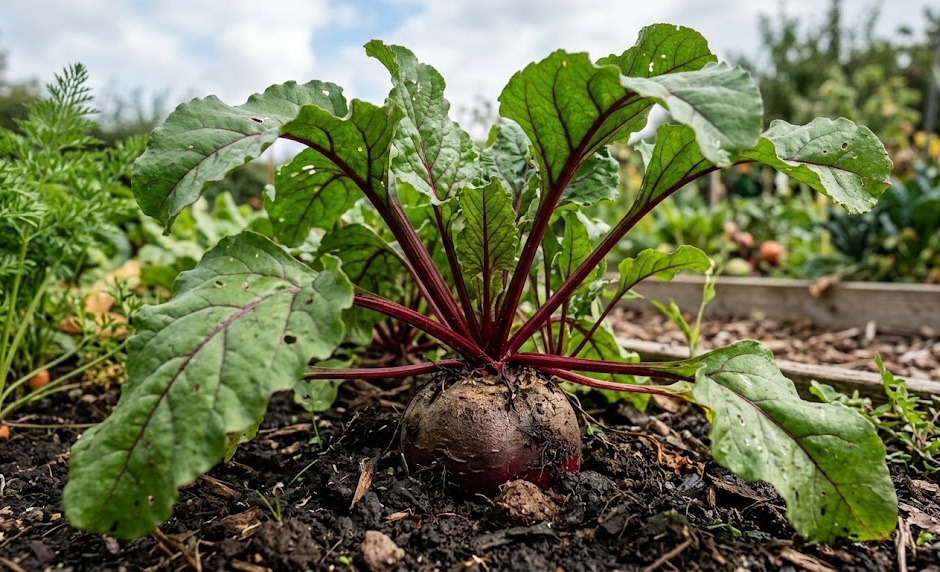

Starting a beetroot crop from scratch is a rewarding process that begins with understanding the unique characteristics of the seeds. You are actually planting a small fruit, known as a multigerm seed, which typically contains two to four individual seeds. This means that even if you plant a single unit, you will likely see several sprouts emerging from the same spot. Success starts with high-quality genetic material and a well-prepared environment that facilitates rapid and uniform germination.
Direct sowing is the most common method for propagating beetroot because the taproots do not always react well to being moved. You should wait until the soil has warmed up to at least ten degrees Celsius before placing the seeds into the ground. If you plant too early in cold, wet soil, the seeds may rot or the plants might bolt prematurely later in the season. Proper timing ensures that the young plants have the best possible start during the most vulnerable phase of their lives.
Soil preparation is the foundation of a successful planting session in any professional or home garden setting. You should work the soil to a fine tilth, removing any large stones or clods that could obstruct the growth of the roots. Incorporating a balanced organic fertilizer or aged compost a few weeks before planting will provide the necessary nutrients for early development. A smooth and level surface allows for precise seed placement and even coverage, which leads to better germination rates.
The depth at which you plant the seeds is a critical factor that influences how quickly the seedlings will break through the surface. You should aim for a depth of about two centimeters, which provides enough protection without being so deep that the plant exhausts its energy. After placing the seeds in the furrow, you must firm the soil down gently to ensure good contact between the seed and the earth. This contact is essential for the seed to absorb the moisture it needs to trigger the germination process.
Seed selection and treatment
Choosing the right variety of beetroot is the first step toward achieving the specific culinary or aesthetic results you desire. You can select from traditional round red types, elongated cylindrical varieties, or even golden and striped cultivars. Some varieties are specifically bred for early harvesting, while others are better suited for long-term storage throughout the winter months. Reading the descriptions carefully will help you match the variety to your specific growing conditions and personal preferences.
More articles on this topic
Soaking the seeds in lukewarm water for a few hours before planting can significantly speed up the germination time. This process helps soften the tough outer shell of the seed cluster and signals the embryo that it is time to grow. You should drain the seeds and plant them immediately after soaking to prevent them from drying out or becoming damaged. This simple trick is especially useful if you are planting later in the season when the soil might be drier.
If you prefer to start your plants indoors, you should use modular trays or biodegradable pots to minimize root disturbance. You should only attempt this with varieties that are known to handle transplanting relatively well compared to standard types. Starting seeds indoors gives you a head start on the season and protects the young plants from early spring pests. However, you must be very careful when moving them to the garden to ensure the taproot remains straight and healthy.
Genetic purity and seed age are factors that can influence the percentage of seeds that actually grow into healthy plants. You should always use fresh seeds from a reputable supplier to ensure the highest possible germination rates and crop uniformity. Older seeds may lose their vigor over time, leading to patchy stands and uneven growth across your garden beds. Investing in quality seeds is one of the most cost-effective ways to improve the overall productivity of your agricultural endeavors.
Sowing techniques and timing
The arrangement of your rows can impact the ease of maintenance and the efficiency of your space utilization. You should space your rows about thirty centimeters apart to allow enough room for hoeing and walking between the plants. Within the row, aim to place the seed clusters every five to ten centimeters depending on your final spacing goals. This initial spacing reduces the amount of thinning you will need to do once the seedlings have emerged from the soil.
More articles on this topic
Succession planting is a strategy that allows you to enjoy a continuous harvest of fresh beetroot throughout the entire growing season. You should plant a new batch of seeds every three to four weeks from early spring until late summer. This approach prevents you from having a massive surplus all at once and ensures a steady supply for the kitchen. It also spreads the risk of crop failure across different planting windows, which is a wise management practice.
The moisture level of the soil during the first week after sowing is the most important environmental factor for success. You should keep the seedbed consistently moist but not waterlogged, as the seeds need both water and oxygen to germinate. Using a fine rose on your watering can will prevent the seeds from being washed out of their positions in the soil. If the weather is particularly dry, you might need to water the area lightly every day until you see the first green shoots.
Environmental signals like day length and temperature play a huge role in the transition from vegetative growth to flowering. You should avoid planting late in the spring when the rapidly increasing day length might trigger the plants to produce seeds instead of roots. Understanding the specific needs of the beetroot plant allows you to work with nature rather than against it. Professional growers always keep detailed records of their planting dates to refine their timing for future seasons.
Transplanting and early establishment
If you have chosen to start your beetroot in trays, the timing of the transplanting is crucial for a successful transition. You should move the seedlings to their permanent location once they have two or three true leaves and a sturdy stem. It is vital to “harden off” the plants by exposing them to outdoor conditions gradually over several days. This process strengthens the plant tissues and prepares them for the intensity of the sun and the movement of the wind.
When placing the transplants into the garden, you must ensure that the root is buried at the same depth it was in the tray. You should make a hole deep enough to accommodate the entire root system without bending or cramping the main taproot. Firming the soil around the base of the plant removes air pockets and establishes a solid connection with the surrounding earth. Immediate watering after transplanting is non-negotiable, as it helps the plant recover from the stress of being moved.
Protecting young transplants from the midday sun for the first day or two can help them establish more quickly. You can use temporary covers or even large leaves from other plants to provide a bit of relief during the hottest hours. Watch closely for any signs of wilting, which indicates that the root system is not yet providing enough water to the foliage. Once the plants show new growth, you can be confident that they have successfully taken root in their new home.
The first month of growth is when the plant determines the potential size and quality of the final root. You should focus on providing a stress-free environment with plenty of nutrients and consistent moisture during this period. Avoid any heavy cultivation near the young plants that could damage the developing root system or the delicate stems. A healthy start leads to a much more resilient plant that can handle the challenges of the later growing season.
Propagation from seed saving
Saving your own seeds is a great way to adapt a specific variety to your unique local climate and soil conditions. Since beetroot is a biennial plant, you will need to leave some of the best roots in the ground over the winter. In the second year, these plants will produce a tall flowering stalk that eventually forms the seeds you can harvest. This process requires patience and a bit of extra space in the garden that won’t be used for food production.
To ensure genetic diversity, you should allow at least several plants to flower and cross-pollinate with each other. You must also be aware that beetroot can cross-pollinate with Swiss chard or other beet varieties growing nearby. If you want to keep the variety pure, you may need to use isolation techniques like mesh cages or spatial distance. This attention to detail is what separates a casual gardener from a true expert in plant propagation and seed saving.
The seeds are ready to harvest when the stalks turn brown and the seed clusters become dry and brittle. You should cut the entire stalk and hang it in a cool, dry place to finish the drying process completely. Once dry, the seeds can be stripped from the stalks by hand and stored in a paper envelope or a glass jar. Proper labeling with the variety name and the year of harvest is essential for keeping your seed collection organized.
Stored seeds should be kept in a cool, dark, and dry environment to maintain their viability for as many years as possible. You can even store them in the refrigerator if you use an airtight container to protect them from moisture. Testing the germination rate of your saved seeds before the next planting season will help you decide how thickly to sow them. Propagating your own beetroot from seed is a fulfilling cycle that connects you more deeply to the history and future of your garden.