
Implementing a systematic pruning regime is a vital horticultural practice essential for maintaining the structural form, maximizing flowering potential, and ensuring the long-term health of these ornamental shrubs. Without regular intervention, these plants naturally tend to become sparse, leggy, and progressively less productive as they allocate energy to elongating old branches. Pruning serves to redirect the plant’s internal resources toward latent buds, stimulating the growth of dense, compact lateral branches that produce more flowers. Mastering the timing and execution of these cuts allows cultivators to sculpt specimens that exhibit both exceptional symmetry and peak floral density.
The primary structural pruning should ideally be performed in the late winter or early spring just as the plant completes its dormancy phase. Executing cuts during this window, before active sap flow accelerates, minimizes physical stress and reduces the risk of disease transmission through open wounds. The plant responds to early spring pruning with an immediate burst of vigorous vegetative growth, utilizing its stored winter energy reserves to build a robust new canopy. Waiting too long into the spring can accidentally remove developing flower buds, significantly delaying or reducing the summer floral display.
A secondary form of pruning, known as pinching, is carried out continuously during the active growing season of spring and early summer. This technique involves removing the soft, growing tips of young shoots using fingers or small snips to encourage immediate lateral branching. Every time a single terminal tip is removed, the plant typically responds by producing two or three new side shoots from the underlying nodes. This practice is fundamental for shaping young propagation stock into bushy, well-branched specimens that possess a high density of potential flower sites.
Cleanliness and tool maintenance represent non-negotiable requirements for any successful pruning operation to prevent the accidental introduction of vascular pathogens. Pruning shears, knives, and snips must be exceptionally sharp to ensure clean, smooth cuts that heal rapidly without tearing the delicate bark tissue. Tearing or crushing the stems creates ragged wounds that readily collect moisture and invite destructive fungal or bacterial spores to colonize the plant. Disinfecting the blades with a rubbing alcohol solution between different specimens eliminates the risk of cross-contamination across the collection.
Structural cutting back techniques
Executing major structural cuts on older, woody specimens requires a deliberate approach based on a clear understanding of plant anatomy and growth responses. When a branch is cut back significantly, the location of the cut determines the direction and vigor of the subsequent new growth. Cuts should always be made approximately five millimeters above a healthy, active node containing a visible bud pair. Making the cut too close to the node can damage the delicate bud tissue, while leaving too long a stub can lead to localized dieback and subsequent fungal rot.
More articles on this topic
The angle of the cut should be slightly slanted, sloping downward away from the bud to allow moisture to run off freely rather than collecting on the open wound surface. Standing water on a fresh cut creates a perfect microclimate for pathogenic spores to germinate and enter the vascular system. Internal structural pruning should focus on removing any crossing, rubbing, or inward-growing branches that congest the center of the shrub. Opening up the interior of the canopy dramatically improves light penetration and air circulation, which are critical for preventing disease outbreaks.
Dead, diseased, or severely damaged wood must be removed entirely down to the nearest healthy junction or to the base of the plant as soon as it is noticed. This sanitizing practice prevents localized infections from traveling downward into the main trunk and compromising the survival of the entire specimen. When removing a complete branch, making a flush cut close to the parent stem ensures smooth healing and prevents unsightly protruding dead stubs. Observing the internal color of the cut stem provides confirmation of health; a vibrant greenish-white core indicates healthy, functioning vascular tissue.
Following a significant structural cutting back event, the plant’s overall water consumption will drop temporarily due to the sudden reduction in leaf surface area. Growers must adjust their irrigation routines accordingly, keeping the soil moderately damp but avoiding waterlogged conditions that could overwhelm the root system. Providing a stable, warm microclimate with high relative humidity supports the rapid initiation of fresh vegetative growth from latent buds along the old wood. Patience is required during this recovery phase, as the plant reallocates its energies to rebuild its beautiful structural canopy.
Deadheading and maintaining flower quality
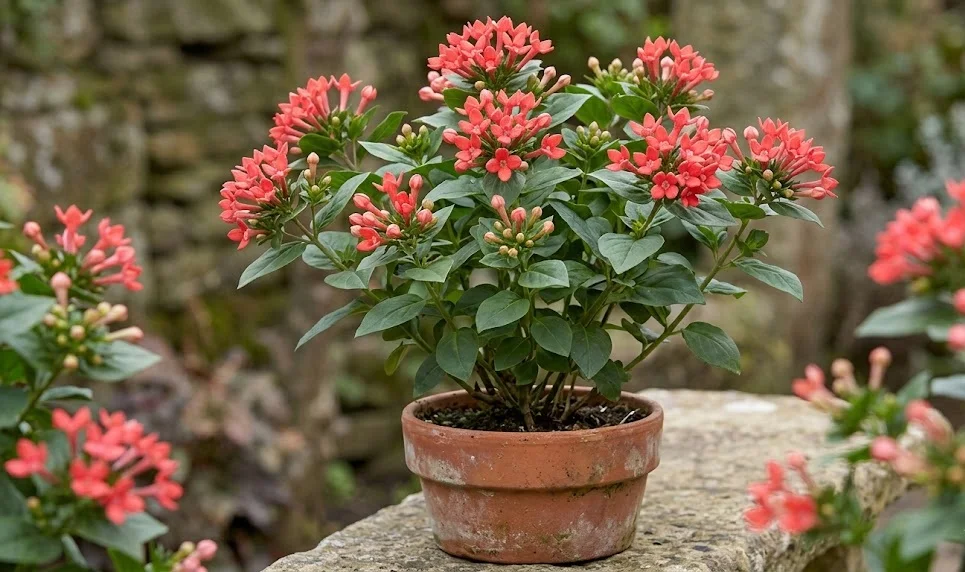
Deadheading, the systematic removal of spent flower clusters, is a continuous maintenance task that directly impacts the duration and quality of the blooming season. Once a cluster of tubular blossoms completes its display and begins to fade, it continues to draw metabolic energy from the plant as it attempts to produce seeds. By cutting away these old, declining inflorescences, the grower prevents unnecessary seed production and forces the plant to redirect its energy toward creating fresh buds. This practice effectively extends the ornamental usefulness of the specimen, often stimulating secondary and tertiary flowering waves through late summer.
More articles on this topic
The technique for deadheading involves tracing the spent flower stem down to the first set of healthy, full-sized leaves immediately below the cluster. A clean cut made just above this node will stimulate the latent buds nestled in the leaf axils to break into new flowering shoots. Avoid simply snapping off the old petals with fingers, as this often leaves ragged tissue stubs that are highly susceptible to botrytis or other opportunistic molds. Consistently removing old flowers maintains an immaculate, vibrant appearance that elevates the overall visual quality of the botanical display.
In addition to deadheading, regular monitoring of the outer canopy allows growers to spot and correct minor structural imbalances before they distort the plant’s form. Fast-growing water sprouts or unusually vigorous shoots that shoot past the main canopy line should be trimmed back to maintain a balanced, pleasing silhouette. This selective trimming ensures that light is distributed evenly across all flowering surfaces rather than being blocked by a few dominant branches. Keeping the canopy balanced maximizes the visual impact of the uniform, dense flower blankets characteristic of expertly managed specimens.
Long-term maintenance pruning over several years ensures that the specimen remains youthful, vibrant, and highly productive throughout its entire lifespan. As a plant ages, systematically removing one or two of the oldest, least productive main branches each spring encourages continuous structural renewal from the base. This generational replacement of wood prevents the shrub from becoming an unproductive, woody mass and maintains top-tier flower quality indefinitely. Integrating these pruning practices into the annual care schedule guarantees a reliable standard of professional excellence and aesthetic beauty.