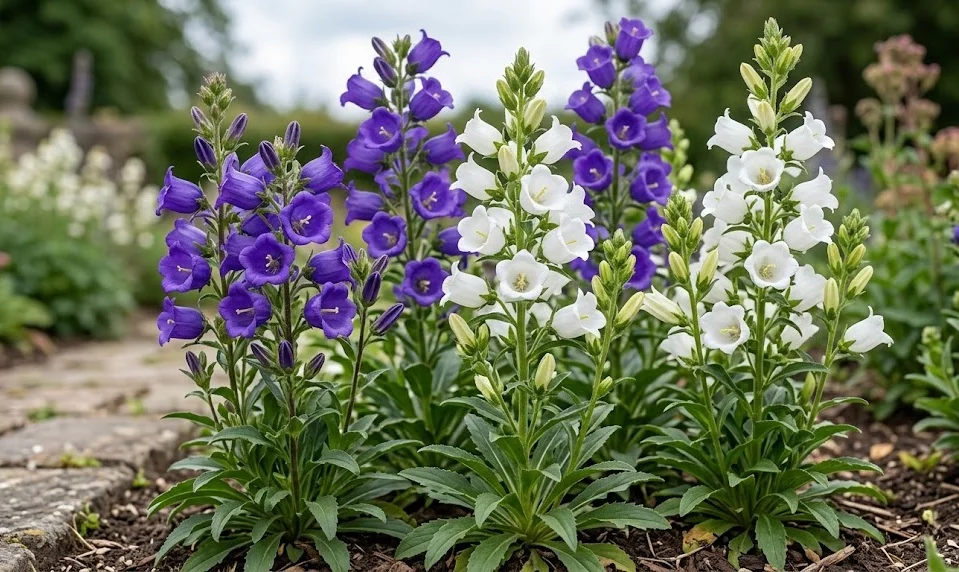

Ensuring the survival of your plants through the cold months is a critical task for anyone growing these traditional biennials. While they are generally hardy in many climates, the combination of freezing temperatures and wet soil can be a deadly challenge. You must take specific steps in late autumn to protect the crown and the root system from the elements. A professional approach to winter protection will guarantee that your plants return with vigor when the spring sun begins to warm the earth.
Preparing for the first frost
The process of overwintering begins well before the first snowflake falls or the ground freezes solid. As the days grow shorter and the temperatures begin to drop, you will notice the plants slowing their growth and becoming more compact. This is the natural signal for you to stop all fertilization, as you do not want to encourage tender new growth that would be easily killed by frost. Instead, let the plant focus its energy on strengthening its existing structures and preparing for dormancy.
You should perform a final thorough weeding of the area to ensure that no unwanted plants are competing for space or moisture. Weeds can also provide a hiding place for pests that might try to overwinter near your garden plants. Once the soil is clean, give the plants one last deep watering if the autumn has been particularly dry. Hydrated roots are much more resilient to the drying effects of cold winds and frozen ground than dehydrated ones.
Inspect each plant for any signs of lingering disease or insect activity that could worsen during the winter months. Removing any dead or damaged leaves now prevents them from rotting against the crown of the plant when they are covered by snow or mulch. You want the plant to enter the winter in the cleanest and healthiest state possible to maximize its chances of survival. This proactive cleanup is a hallmark of a professional gardener who understands the long-term health of their collection.
In regions with extremely cold winters, you might consider providing some temporary protection if an early frost is predicted before the plants are fully dormant. A simple frost cloth or an overturned bucket can shield the tender foliage from the initial shock of a sudden temperature drop. Once the plants have hardened off and the ground has cooled significantly, they will be much better prepared for the sustained cold. Timing is everything when it comes to helping your garden transition smoothly into the winter season.
More articles on this topic
Protective mulching techniques
Applying a layer of mulch is the most effective way to insulate the soil and protect the roots from the cycle of freezing and thawing. When the ground constantly expands and contracts, it can actually push the plants out of the soil, a phenomenon known as frost heaving. A thick layer of organic material acts as a thermal blanket, keeping the soil temperature more consistent throughout the winter. You should wait until the ground has frozen slightly before applying the mulch to avoid trapping too much heat inside.
Straw, shredded leaves, or evergreen boughs are excellent choices for winter mulch because they are lightweight and allow for some air circulation. You should apply a layer that is about five to ten centimeters thick, covering the area around the base of each plant. Be careful not to pile the mulch directly against the crown, as this can encourage rot if moisture becomes trapped during a mid-winter thaw. Instead, create a ring of protection that focuses on the root zone and the lower parts of the plant.
In addition to temperature regulation, mulch also helps maintain a baseline level of moisture in the soil throughout the winter. Cold winter winds can be incredibly drying, stripping moisture from both the leaves and the earth at a rapid rate. By covering the soil, you reduce the amount of evaporation and ensure the roots do not become dangerously dehydrated. This is particularly important for young plants that have not yet developed a deep and extensive root system.
When spring arrives, you must be ready to remove the mulch gradually as the temperatures begin to rise again. If you leave it on too long, it can delay the warming of the soil and potentially smother the new growth as it tries to emerge. Watch for the first signs of green in the center of the rosette and slowly pull back the protective layer over several days. This professional transition ensures that the plant is not shocked by a sudden exposure to the bright spring sun and fluctuating temperatures.
More articles on this topic
Winter hydration needs
One of the most common misconceptions in gardening is that plants do not need water during the winter months. While their metabolic rate is very low, the roots still need a small amount of moisture to stay alive and healthy. If the winter is unusually dry and the ground is not frozen, you should check the moisture levels periodically. A light watering during a warm spell can be a lifesaver for biennials that are struggling with the drying effects of the wind.
Plants that are grown in pots or containers are particularly vulnerable to dehydration during the winter because they have less soil volume to hold moisture. If you are overwintering your Canterbury bells in containers, you must monitor them even more closely than those in the ground. Moving the pots to a sheltered location away from the wind can help reduce the rate of moisture loss. You can also wrap the pots in burlap or bubble wrap to provide an extra layer of insulation for the roots.
Avoid watering when a hard freeze is predicted within the next twenty-four hours, as this can lead to ice forming around the delicate root hairs. Instead, wait for a day when the temperatures are above freezing and the water can soak into the ground properly. You are not looking to keep the soil wet, but rather to prevent it from becoming dusty and bone-dry. This subtle balance of moisture is one of the more advanced skills of a dedicated and professional gardener.
If you live in an area with reliable snow cover, you have a natural advantage, as snow is an excellent insulator and source of moisture. As the snow melts slowly, it provides a steady and gentle supply of water to the roots without the risk of saturation. However, if you experience a “green” winter with lots of wind and no snow, you must be much more active in your monitoring. Your attentiveness during the quiet months of winter will pay off in a spectacular display of flowers come spring.
Post-winter recovery steps
As the ground thaws and the first signs of spring appear, your focus will shift to helping the plants recover from their long slumber. You should begin by gently removing any dead or slimy leaves that did not survive the winter cold. This cleanup improves the appearance of the garden and also allows more light and air to reach the center of the plant. You will soon see new, vibrant green leaves pushing up from the crown as the plant wakes up.
If you notice that any plants have been lifted by frost heaving, you must gently press them back into the soil as soon as it is soft enough. Be careful not to snap the brittle roots as you firm the earth around the base of the plant. You might need to add a small amount of fresh soil to fill in any gaps and ensure the roots are fully covered and protected. This immediate attention to structural integrity is vital for the plant’s success in the coming months.
Early spring is also the time to apply a light dose of balanced fertilizer to support the rapid growth that is about to occur. Look for a product that is high in phosphorus to encourage the development of strong flower stalks and healthy roots. You should also check your support stakes and ties to ensure they are ready for the height the plants will soon achieve. Getting these tasks done early allows you to enjoy the garden more as the season progresses toward the blooming period.
Finally, keep an eye out for any pests that might emerge as the weather warms up, such as slugs or early aphids. A plant that has just finished overwintering can be a bit more vulnerable until it has fully regained its strength. By providing a clean environment and a bit of extra care, you ensure that your Canterbury bells make a full and glorious recovery. Your dedication to the entire life cycle of these plants is what separates a casual gardener from a true expert.