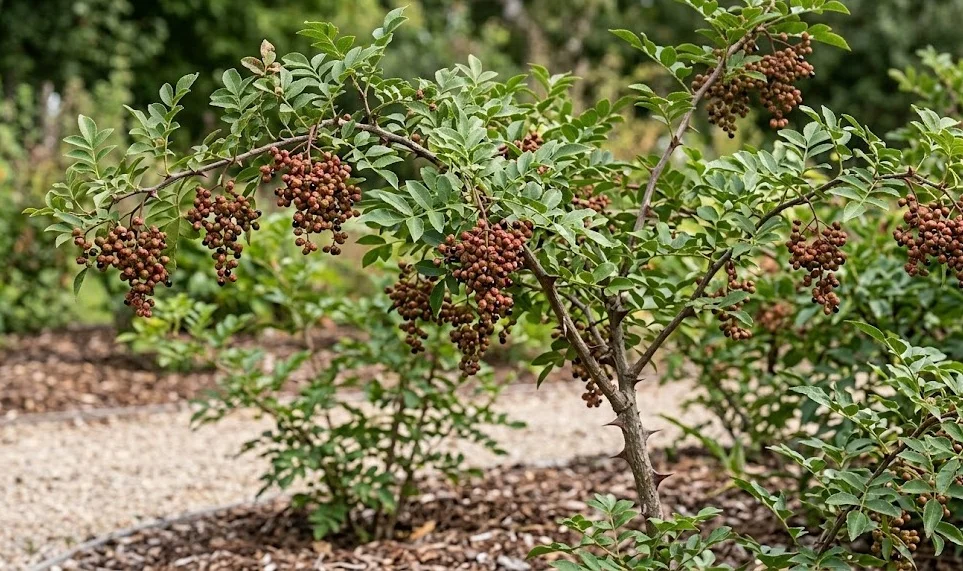

Preparing your shrub for the cold months is an essential task that ensures its survival and productivity in the following year. While this species is known for its remarkable frost tolerance, extreme winter conditions can still pose a threat to its structural integrity and root health. A professional overwintering strategy involves both physical protection and a thoughtful transition into the dormant state. By taking the right steps in the autumn, you can rest easy knowing your plant is well-equipped to handle whatever the winter brings.
The process of hardening off begins naturally as the days shorten and the temperatures begin to drop in the late summer. You should support this process by withholding high-nitrogen fertilizers that might stimulate new, tender growth that wouldn’t survive a freeze. This allows the plant to focus its energy on strengthening its cell walls and storing carbohydrates in the root system. A well-prepared shrub will enter the winter with mature wood and a robust internal chemistry designed to resist freezing temperatures.
Cleaning up the area around the base of the plant is another important step in your winter preparations. Remove any fallen leaves, spent fruit husks, and weeds that might harbor pests or disease spores over the winter months. This sanitation practice reduces the risk of an outbreak when the weather warms up again in the spring. It also gives the garden a neat, professional appearance even when the plants are bare of their summer foliage.
Once the first hard frost has occurred and the leaves have fallen, you can assess the overall structure of the plant. This is a good time to remove any dead or crossing branches that might be damaged by heavy snow or high winter winds. However, avoid heavy pruning at this stage, as the open wounds could be susceptible to extreme cold before they have a chance to heal. A light thinning and cleaning are all that is needed to prepare the canopy for its period of rest.
Protecting the root zone and trunk
The root system is the most vital part of the plant to protect during a severe winter, as it cannot be easily replaced if damaged. Applying a thick layer of organic mulch around the base of the shrub is the best way to insulate the soil and prevent deep freezing. This mulch should extend out to the drip line of the plant to cover the entire area where the feeder roots are active. A depth of three to four inches of straw, wood chips, or shredded leaves is usually sufficient for most climates.
More articles on this topic
In areas prone to extreme temperature fluctuations, the trunk of the shrub can be susceptible to a condition called “frost cracking.” This happens when the sun warms the bark during the day and it cools rapidly at night, causing the wood to expand and contract too quickly. You can protect the main stem of young plants by using a tree wrap or a specialized guard that reflects the winter sun. This simple precaution prevents permanent damage to the vascular system and keeps the plant’s structure intact.
If you are growing your prickly ash in a container, the roots are much more exposed to the cold than they would be in the ground. You should move the pots to a sheltered location, such as against a south-facing wall or into an unheated garage or greenhouse. Wrapping the container itself in bubble wrap or burlap can provide an extra layer of insulation against the biting winter winds. Ensure the pot has good drainage so that the roots do not sit in frozen, waterlogged soil throughout the winter.
Winter winds can be just as damaging as cold temperatures, as they can quickly dehydrate the bark and the dormant buds. If your garden is in an exposed location, you might consider setting up a temporary windbreak using burlap or a snow fence. This reduces the “wind chill” effect on the plant and helps it maintain a more stable internal temperature. A little bit of physical protection goes a long way in ensuring a successful and stress-free overwintering for your specimen.
Managing moisture during the dormant period
It is a common misconception that plants do not need water during the winter because they are not actively growing. While their requirements are significantly lower, the roots still need a certain amount of moisture to stay alive and healthy. If the winter is exceptionally dry and the ground is not frozen, you should provide a light watering once or twice a month. This is particularly important for young shrubs that have not yet developed a deep, extensive root system to reach moisture far below the surface.
More articles on this topic
You should always check the soil moisture before deciding to water, as you do not want to create a waterlogged environment. Use a probe or your finger to feel the soil beneath the mulch layer to see if it is still damp. If the ground is frozen solid, do not attempt to water, as the liquid will simply sit on the surface and turn to ice. Wait for a period of milder weather when the top few inches of soil have thawed before providing any supplemental hydration.
The goal of winter watering is to prevent “desiccation,” which occurs when the plant loses more moisture through its bark than it can take up through its roots. This is often the cause of winter dieback, where branches appear dead and brittle when the spring arrives. By maintaining a baseline level of moisture in the root zone, you help the plant maintain its internal pressure and structural integrity. It is a subtle but important part of professional winter garden maintenance that is often overlooked.
As the winter draws to a close and the first signs of spring appear, you can gradually increase the watering to match the plant’s waking needs. This transition should be slow and responsive to the actual weather conditions in your area. Watch for the buds to begin swelling and the bark to take on a more vibrant, healthy look as the sap begins to flow again. This careful monitoring ensures that the plant has the resources it needs to burst into life as soon as the danger of frost has passed.
Spring recovery and post winter inspection
The end of winter is the perfect time to perform a thorough inspection of your prickly ash to see how it handled the cold. Walk around the shrub and look for any signs of split bark, broken branches, or extensive dieback at the tips of the shoots. Use your thumbnail to gently scratch the bark on a few branches to see if there is healthy green tissue underneath. If a branch is brown and brittle all the way through, it has likely succumbed to the winter and will need to be pruned away.
Once the threat of hard frost is over, you can remove any temporary winter protection like wraps or windbreaks. This allows the plant to get full access to the spring sun and increases air circulation around the trunk and branches. You should also pull back the mulch slightly from the base of the trunk to prevent moisture from being trapped against the bark. This “opening up” of the plant signals the beginning of a new growing season and a fresh start for your garden.
This is also the ideal time to apply a fresh layer of compost or a balanced slow-release fertilizer to support the initial flush of growth. The nutrients will be taken up by the roots just as the demand for energy peaks during the leafing-out process. If you notice any areas of significant damage, you can perform corrective pruning to restore the shape and health of the canopy. Removing the dead wood early prevents it from becoming a source of rot or a home for pests as the weather warms.
Watching your shrub wake up and push out its first new leaves is one of the most rewarding moments for any gardener. It is a testament to the resilience of the plant and the effectiveness of your overwintering efforts. Each successful winter builds the plant’s strength and character, making it a more permanent and beautiful part of your landscape. With the right care, the Chinese prickly ash will return year after year, providing both its unique spice and its striking ornamental presence.