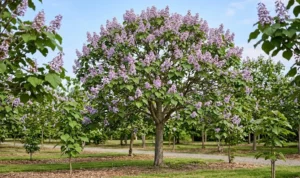
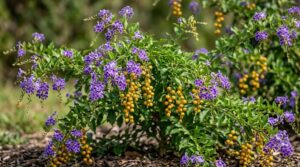
Caring for these vibrant flowers requires a balanced approach to soil management and environmental monitoring. Gardeners should prioritize a well-drained medium that prevents water from stagnating around the delicate root system. Consistent observation of leaf health can provide early indicators of any nutritional or hydration issues. Understanding the specific growth habits of this biennial or short-lived perennial ensures long-term success in any garden layout.
Soil quality and preparation
The foundation of healthy growth begins with the chemical and physical composition of the garden soil. These plants thrive best in a medium that maintains a neutral to slightly alkaline pH level. If the soil is too acidic, adding a small amount of lime can help balance the environment for better nutrient absorption. It is also beneficial to incorporate organic matter like well-rotted compost to improve the overall texture and fertility.
Drainage is arguably the most critical factor when preparing the site for these ornamental flowers. Heavy clay soils should be amended with coarse sand or perlite to facilitate better water movement. When roots sit in waterlogged earth, they quickly become susceptible to rot and other fungal pathogens. Creating a slightly raised bed can also serve as an effective strategy for ensuring that excess moisture drains away from the crown.
Nutrient availability must be consistent but not overwhelming during the early stages of development. A slow-release granular fertilizer mixed into the top layer of soil provides a steady supply of essential elements. Avoid using high-nitrogen formulas that might encourage excessive leaf growth at the expense of colorful blooms. A balanced approach ensures that the plant develops a sturdy structure capable of supporting numerous flowers throughout the season.
Compaction is a common enemy of root development that gardeners must actively work to prevent. Regularly loosening the soil surface around the plants helps oxygen reach the root zone more effectively. This practice also makes it easier for water to penetrate the surface during routine irrigation sessions. Healthy soil structure leads to more resilient plants that can better withstand environmental stresses and seasonal changes.
More articles on this topic
Temperature and climate considerations
These flowers generally prefer moderate temperatures and can struggle when exposed to extreme summer heat. In regions with very hot climates, providing some afternoon shade can prevent the foliage from scorching. Cooler night temperatures actually help the plant recover and maintain the intensity of its floral pigmentation. Monitoring local weather patterns allows for timely interventions, such as temporary shading or increased misting during heatwaves.
Humidity levels also play a significant role in the overall health and appearance of the foliage. While they appreciate some moisture, excessively humid air can lead to the development of powdery mildew. Ensuring adequate spacing between individual plants promotes natural airflow which helps keep the leaves dry. If the weather remains consistently damp, gardeners might need to apply preventive organic fungicides to protect the crop.
Early spring frost can sometimes damage young seedlings that have not been properly hardened off. It is advisable to wait until the danger of a hard freeze has passed before moving plants outdoors permanently. If an unexpected frost is predicted, covering the beds with a light horticultural fleece can provide sufficient protection. Established plants are generally more hardy but still benefit from some winter protection in colder zones.
Adaptability is one of the strengths of this species across various geographical locations and microclimates. They can tolerate a wide range of conditions as long as their primary needs for drainage and light are met. Observing how the plants react to local climate shifts helps in fine-tuning the care routine over time. Successful cultivation often involves a bit of trial and error to find the perfect spot in the garden.
More articles on this topic
Flowering and deadheading techniques
The primary goal for most gardeners is to maximize the duration and intensity of the blooming period. These plants produce a profusion of colorful flowers that can last for several weeks if managed correctly. Regular inspections are necessary to identify which flowers are beginning to fade or lose their structural integrity. Removing these spent blooms prevents the plant from putting energy into seed production instead of new flowers.
Deadheading is the process of snipping off withered flowers just above the first set of healthy leaves. This simple task stimulates the plant to produce a second or even third flush of blossoms. Use sharp, clean shears to ensure clean cuts that heal quickly without inviting infection. Consistency is key, as allowing seeds to form will signal the plant to end its reproductive cycle for the season.
The timing of the floral display can be influenced by the specific variety and the planting date. Some cultivars are bred specifically for their long-lasting blooms and enhanced fragrance profiles. Providing a small boost of potassium-rich liquid fertilizer during the peak blooming phase can improve flower size. This extra nutrition supports the metabolic demands of producing such a dense and colorful display of petals.
Aesthetic considerations often guide how aggressively a gardener might choose to prune or deadhead their plants. Some prefer a more natural look, while others want a neat and tidy carpet of continuous color. Both approaches are valid, but the latter definitely results in a longer period of visual interest. Keeping the plants clean also reduces the hiding spots for small insects that might damage the petals.
Nutrient management and fertilization
A strategic feeding schedule is essential for maintaining the vigor of these short-lived perennials throughout the year. Starting with a balanced NPK ratio provides the necessary building blocks for both roots and shoots. It is important to avoid over-fertilizing, which can lead to weak, leggy growth that flops over easily. A moderate application every four to six weeks during the growing season is usually sufficient for most garden soils.
Micro-nutrients like magnesium and iron also play supporting roles in maintaining deep green foliage and bright flowers. If the leaves start to turn yellow while the veins remain green, it may indicate a mineral deficiency. Applying a chelated foliar spray can provide a quick fix for these common nutritional imbalances. Long-term health, however, should always be addressed through proper soil conditioning and organic amendments.
Organic options such as compost tea or seaweed extracts are excellent alternatives to synthetic chemical fertilizers. These natural products improve soil biology while providing a gentle source of nutrition for the plants. They are less likely to burn the sensitive roots and help build a more sustainable garden ecosystem. Many professional growers prefer these methods for producing hardier plants with better natural resistance.
Late season fertilization should be avoided as it can stimulate new growth that is too tender for winter. As the days shorten, the plant needs to focus on hardening its tissues and preparing for dormancy. Stopping all supplemental feeding by late summer allows the natural lifecycle to proceed without artificial interference. This transition period is vital for the long-term survival of varieties intended to return the following year.
Space and ventilation requirements
Proper spacing is a fundamental aspect of garden design that directly impacts the health of these flowers. Each plant needs enough room to expand its root system and reach its full canopy potential. Crowding can lead to competition for water and nutrients, resulting in stunted and less productive specimens. A distance of at least eight to twelve inches between plants is generally recommended for optimal results.
Ventilation is equally important for the prevention of fungal diseases that thrive in stagnant, moist air. When plants are too close together, dew and rainwater take much longer to evaporate from the center of the clump. This persistent moisture creates the perfect breeding ground for botrytis and various types of leaf spot. Maintaining open pathways for wind to circulate ensures that the foliage stays dry and healthy.
In containers, spacing issues can become even more pronounced due to the limited volume of the growing medium. It is better to plant fewer individuals in a large pot than to cram many into a small one. Using pots with multiple drainage holes also helps improve the overall aeration of the root zone. Proper air exchange within the soil is just as important as the airflow around the leaves themselves.
Regular thinning of the foliage can be beneficial if the plants become too dense over several seasons. Removing some of the inner stems allows more light and air to reach the core of the plant. This practice rejuvenates older specimens and encourages new, healthy growth from the base of the crown. A well-ventilated garden is much easier to maintain and requires fewer chemical interventions for pest control.
Mulching and moisture retention
Applying a layer of mulch around the base of the plants offers several practical benefits for the home gardener. It helps maintain a consistent soil temperature, protecting the roots from the shock of rapid fluctuations. A thin layer of organic mulch also suppresses the growth of weeds that would otherwise compete for resources. Shredded bark or cocoa hulls are popular choices that add an aesthetic touch to the flower beds.
Moisture retention is the primary function of mulching during the hot and dry summer months. By reducing evaporation from the soil surface, mulch ensures that the plants have a steady supply of hydration. This is particularly important for younger plants that have not yet developed an extensive root system. However, care must be taken to keep the mulch away from the direct contact with the stems.
If mulch is piled too high against the main crown, it can trap moisture and cause the stem to rot. A “donut” shape, where the mulch circles the plant without touching it, is the most effective application method. This technique provides all the benefits of moisture control while minimizing the risk of crown infection. Checking the mulch depth once or twice a year is usually enough to maintain its effectiveness.
Over time, organic mulches break down and contribute to the overall fertility of the garden soil. This natural decomposition process adds valuable humus and improves the soil’s ability to hold onto nutrients. It essentially acts as a slow-release soil conditioner that works silently in the background of your maintenance routine. Refreshing the mulch layer in early spring prepares the garden for the upcoming growth cycle perfectly.
Seasonal transition and observation
As the growing season comes to a close, the focus of care shifts from production to preservation. Monitoring the plants for any late-season pests or diseases ensures they enter dormancy in the best possible condition. Removing dead foliage and debris from the surrounding area reduces the risk of pathogens overwintering near the plants. This cleanup phase is a critical step in preparing for a successful garden the following spring.
Keeping a garden journal can be an invaluable tool for tracking the performance of different varieties over time. Noting which plants thrived and which struggled helps in making better decisions for the next planting season. Record the dates of the first and last blooms, as well as any specific weather events that occurred. These personal observations are often more accurate for your specific microclimate than general gardening guides.
Observing the interaction between the flowers and local pollinators can also be a rewarding aspect of gardening. These plants are known to attract butterflies and bees, contributing to the biodiversity of your outdoor space. Providing a chemical-free environment ensures that these beneficial insects can thrive alongside your floral displays. A healthy garden is a balanced ecosystem where plants and animals coexist in a functional harmony.
Finally, take the time to enjoy the fruits of your labor by appreciating the visual beauty of the landscape. Gardening is as much about the process and the connection to nature as it is about the final result. Each season brings new challenges and rewards that contribute to your growth as an experienced horticulturalist. With proper care and attention, these delightful flowers will continue to brighten your garden for years to come.