
Cultivating this elegant perennial requires a balanced approach that respects its natural mountain heritage while adapting to domestic garden settings. Success begins with a thorough understanding of the plant’s life cycle and the specific environmental cues that trigger its spectacular flowering phase. Gardeners who take the time to observe their specimens will notice that these lilies communicate their needs through foliage color and stem strength. Providing a stable foundation early in the season ensures that the plant remains healthy and productive for many years to come.
Understanding the growth environment
The primary goal for any enthusiast should be the replication of the well-drained, airy conditions found in the native high-altitude habitats of these plants. You must ensure that the soil provides enough structure to support tall stems while allowing excess moisture to drain away from the delicate bulb scales. Stagnant water is the greatest enemy of this species, as it quickly leads to fungal issues and the eventual decline of the root system. Incorporating organic matter like leaf mold or well-rotted compost will improve both the physical structure and the biological activity of your garden beds.
A professional approach to gardening involves checking the soil composition periodically to ensure it remains within the slightly acidic to neutral range. While these lilies are somewhat adaptable, they truly excel when the ground is cool and the upper stems are exposed to fresh air. You should consider using a thin layer of natural mulch to regulate soil temperature throughout the varying weather patterns of the growing season. This simple step helps maintain a consistent environment for the roots, which is vital for the long-term vitality of the entire plant.
Placement within the garden landscape plays a significant role in how the plant develops its unique architectural form during the summer months. You should choose a location that offers protection from the most intense afternoon sun to prevent the delicate petals from fading prematurely. At the same time, sufficient air circulation is necessary to prevent the buildup of humidity around the lower leaves, which can invite unwanted pathogens. Observing how shadows move across your garden will help you identify the perfect spot for these tall, graceful floral displays.
Finally, the overall health of the plant is often a reflection of the gardener’s patience and consistency in basic maintenance tasks throughout the year. You will find that regular inspections allow you to catch minor issues before they become significant problems that threaten the blooming cycle. Maintaining a clean area around the base of the stems prevents the accumulation of debris that might harbor pests or disease spores. By treating the garden as a holistic system, you create a sanctuary where these lilies can display their full genetic potential without unnecessary stress.
More articles on this topic
Soil quality and preparation
The foundation of a successful lily display lies in the physical and chemical properties of the substrate where the bulbs are established. You should aim for a loamy texture that feels crumbly to the touch and does not compact easily under the weight of heavy rainfall. High-quality soil provides the necessary pore space for oxygen to reach the root zone, which is critical for nutrient uptake and cellular respiration. If your garden has heavy clay, you must amend it with grit or coarse sand to facilitate better drainage and prevent waterlogging.
Nutrient availability is another crucial factor that determines the height and flower count of the mature lily stems during the peak season. You should focus on building a soil profile that is rich in decomposed organic material, which releases essential elements slowly over time. Avoid using fresh manure, as the high nitrogen content and potential pathogens can damage the sensitive bulb tissues during the dormant period. Instead, opt for aged materials that have been thoroughly broken down by beneficial soil organisms and fungi.
Monitoring the acidity levels of your garden soil is a professional habit that prevents many common physiological disorders in lilies. You should aim for a pH level between 5.5 and 6.5, which is the ideal range for the solubility of micronutrients required for vibrant bloom color. If the soil is too alkaline, the plant may struggle to absorb iron and manganese, leading to yellowing between the leaf veins. Simple soil tests can provide you with the data needed to make informed adjustments using elemental sulfur or specialized acidifying fertilizers.
Longevity in the garden is achieved when the soil is treated as a living ecosystem rather than just a medium for holding water. You should encourage the presence of earthworms and beneficial microbes by avoiding the excessive use of harsh synthetic chemicals that can disrupt the natural balance. A healthy soil biome helps to break down organic debris and convert it into forms that the plant can easily utilize for growth. This sustainable approach leads to stronger plants that are naturally more resistant to environmental fluctuations and biological pressures.
More articles on this topic
Seasonal maintenance routines
As spring arrives, your focus should shift toward supporting the rapid emergence of the new shoots as they push through the warming soil. You should clear away any remaining winter mulch or debris to ensure that the young stems have a clear path to reach the light. This is also the perfect time to apply a light dressing of balanced fertilizer to provide the initial energy boost required for vigorous stem development. Early season care sets the stage for the entire year, so being proactive during these first few weeks is highly beneficial.
During the height of the summer, the primary task is to monitor the moisture levels and provide support for the tall, flower-laden stems. You may need to install discreet stakes or supports if the plant is growing in a particularly windy area to prevent the stems from snapping. Regular deadheading, or the removal of spent flowers, prevents the plant from diverting energy into seed production instead of bulb strengthening. This practice also keeps the garden looking tidy and prevents the spread of fallen petals that could rot on the foliage.
As the days begin to shorten in the autumn, the lily naturally begins to transition its resources back into the underground bulb for the winter. You should resist the urge to cut back the foliage while it is still green, as the leaves are still performing photosynthesis to store energy. Wait until the stems have turned completely yellow or brown before removing them at ground level with sharp, sterilized shears. This ensures that the bulb has maximized its reserves, which directly impacts the quality of the following year’s floral display.
Winter management is largely about protecting the bulb from extreme temperature fluctuations and excessive moisture that can lead to rot. You should apply a fresh layer of protective mulch once the ground has begun to freeze to insulate the roots from deep frost. This barrier also helps to prevent the soil from heaving, which can sometimes push bulbs closer to the surface where they are more vulnerable. A professional gardener knows that the work done during the quiet months is what guarantees a successful return of the lilies in the spring.
Optimizing the blooming period
The transition from vegetative growth to the reproductive phase is a critical moment that requires specific environmental conditions to be successful. You should ensure that the plant receives consistent light levels during the weeks leading up to the appearance of the first flower buds. Any sudden changes in the environment, such as a severe dry spell or a cold snap, can cause the buds to drop before they have a chance to open. Maintaining a stable routine during this time is the best way to safeguard the investment you have made in the plant’s care.
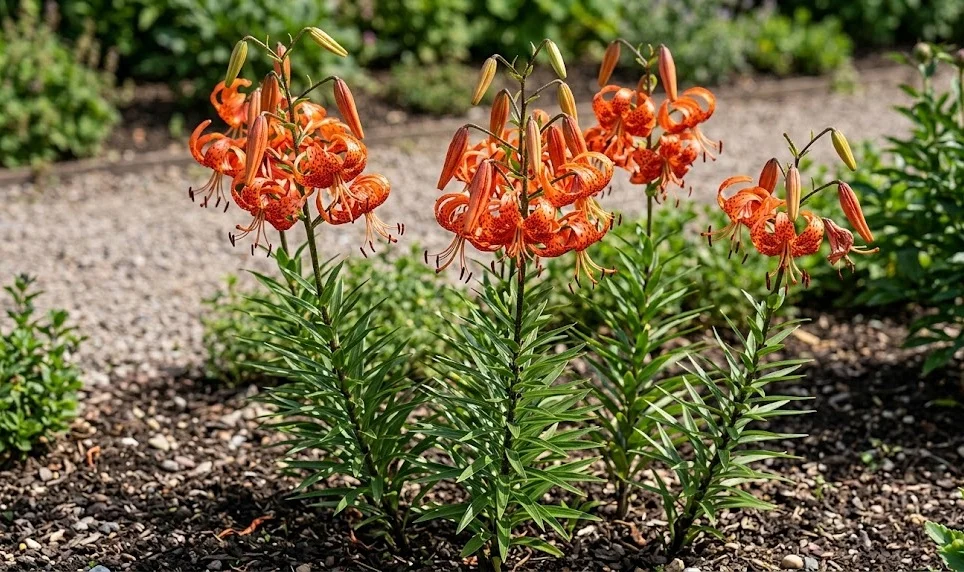
Once the flowers begin to open, the visual impact of the Chinese lily becomes the centerpiece of the mid-summer garden landscape. You will notice that the recurved petals and dark spotting create a complex texture that attracts various pollinators, including bees and butterflies. To extend the life of the individual blooms, you can try to provide a bit of extra shade during the hottest parts of the afternoon. Keeping the plant hydrated but not soaked will also help the petals remain turgid and vibrant for a longer duration.
Professional displays often utilize a succession of plantings to ensure that there is always something in bloom throughout the warmest months of the year. You can achieve this by placing groups of bulbs in slightly different microclimates within your garden to stagger their development. This technique allows you to enjoy the unique fragrance and form of these lilies for several weeks rather than just a few days. Careful planning during the design phase of your garden will result in a much more dynamic and rewarding experience for the observer.
After the final petals have fallen, the plant enters a phase of recovery where it replenishes its internal stocks of carbohydrates and minerals. You should continue to provide basic care, such as weeding and light watering, even though the visual highlight of the season has passed. The health of the foliage during the late summer is just as important as the beauty of the flowers during the early summer. This post-bloom period is when the actual size of next year’s bulb is determined, making it a vital part of the annual care cycle.
Supporting stem and foliage health
The structural integrity of the lily stem is a direct indicator of the plant’s overall health and the quality of its nutritional intake. You should look for thick, sturdy stems that can hold the weight of multiple heavy blossoms without bending excessively toward the ground. If the stems appear weak or spindly, it may be a sign that the plant is not receiving enough light or that the soil is too rich in nitrogen. Adjusting your care routine based on these visual cues is a fundamental skill for any serious gardener or horticulturist.
Foliage density and color are also important markers that tell you how well the plant is interacting with its immediate environment. You should expect to see deep green, glossy leaves that are evenly spaced along the entire length of the flowering stem. Any spotting, yellowing, or curling of the leaves should be investigated immediately to rule out the presence of pests or nutrient deficiencies. Healthy leaves are the engine of the plant, converting sunlight into the sugars that fuel every aspect of growth and reproduction.
In high-density plantings, air circulation becomes a major factor in maintaining the health of the lower foliage and stems throughout the season. You should ensure that there is enough space between individual plants to allow the wind to dry out the leaves after a rain event or heavy dew. This reduces the risk of leaf spot diseases and other moisture-related issues that can detract from the plant’s appearance. Proper spacing also ensures that each lily has access to its own share of soil nutrients and moisture without excessive competition.
Applying a liquid seaweed extract or a foliar feed during the peak growing season can provide a quick boost of trace minerals to the foliage. You should apply these treatments early in the morning so that the leaves have time to dry before the sun becomes too intense. This supplemental feeding can enhance the plant’s natural defense mechanisms and improve the overall luster of the leaves and stems. Professional growers often use this technique to prepare their plants for exhibition or to help them recover from environmental stress.
Managing the garden ecosystem
The Chinese lily does not exist in isolation, but rather as part of a complex web of interactions within your backyard or agricultural plot. You should encourage a diverse range of predatory insects that can help keep the population of harmful pests under control naturally. Planting a variety of companion species around your lilies can provide habitat for ladybugs, lacewings, and other beneficial organisms. This ecological approach reduces the need for chemical interventions and creates a more resilient garden environment for all your plants.
Mulching is more than just a weed suppression technique; it is a way to mimic the natural floor of a forest or mountain meadow. You should choose organic mulches that break down over time, such as shredded bark, cocoa hulls, or pine needles, to add carbon back into the soil. This layer also provides a home for beneficial soil fungi that form symbiotic relationships with the lily roots, helping them absorb water and minerals more efficiently. As the mulch decomposes, it slowly enriches the topsoil and improves its ability to hold moisture during dry periods.
Weed management is a constant task that requires a delicate touch to avoid damaging the shallow roots of the lily bulbs. You should pull weeds by hand when they are small rather than using heavy tools that might disturb the soil structure or nick the bulb scales. Keeping the area around the lilies clear of competition ensures that all available resources are directed toward the growth of your desired ornamental plants. A clean garden also makes it much easier to spot the first signs of any emerging problems, such as pest infestations or disease.
Observing the behavior of local wildlife can also provide insights into the health and safety of your garden plantings. You may need to take steps to protect your lilies from browsing deer or rabbits, which find the young shoots and flower buds particularly appetizing. Using physical barriers like decorative fencing or organic repellents can help steer these animals away from your prized floral displays. Balancing the beauty of the garden with the needs of the surrounding environment is a key aspect of modern, professional gardening practices.
Long-term strategies for success
Maintaining a healthy collection of lilies over several years requires a commitment to periodic rejuvenation and careful record-keeping. You should take notes on the performance of individual plants, noting which areas of the garden produce the strongest stems and the most vibrant flowers. This data will help you make better decisions about where to plant new bulbs or when it might be time to move existing ones. Over time, you will develop a deep understanding of the specific microclimates within your property and how they affect the lilies.
Eventually, even the most well-cared-for lily clumps will become overcrowded and may begin to produce smaller flowers or fewer stems. You should plan to lift and divide your bulbs every three to five years to maintain their vigor and provide them with fresh soil and more space. This process also gives you the opportunity to inspect the health of the bulbs directly and remove any that show signs of damage or decay. Dividing your lilies is one of the most effective ways to expand your collection and share plants with other enthusiasts.
A professional gardener always looks ahead to the next season, even while the current one is still in full bloom. You should start thinking about your autumn preparation and winter protection strategies well before the first frost arrives on the horizon. Ensuring that the plants are well-hydrated and properly fed during the late summer will give them the best chance of surviving a harsh winter. This forward-thinking mentality is what separates a casual hobbyist from a truly expert grower of exotic and beautiful lilies.
In conclusion, the care of the Chinese lily is a rewarding journey that blends scientific knowledge with practical, hands-on experience in the garden. You will find that the more you put into the care of these plants, the more they will reward you with their stunning visual presence and graceful form. Whether you are growing them for personal enjoyment or as part of a larger agricultural project, the principles of good stewardship remain the same. Embrace the challenges and enjoy the process of bringing these mountain treasures into your own outdoor space.