
Planting and propagation represent the starting points for integrating this aromatic shrub into your personal landscape or expanding your collection. You should select a day with mild weather and overcast skies to minimize the stress on the young plant during the transition to its new home. Preparing the site thoroughly before the plant even arrives will ensure a smooth process and a higher success rate for the establishment phase. This initial investment of time and energy is crucial for the long-term prosperity of your garden project.
Selecting the right location involves more than just finding an empty spot in the soil where a hole can be dug. You will need to consider the mature size of the shrub to ensure it has enough room to spread its branches without hitting walls or other plants. A space that receives ample morning sun but is protected from the harshest afternoon heat is generally considered ideal for this species. Planning for the future size of the plant prevents the need for drastic pruning or difficult transplants later on.
The quality of the nursery stock you choose is the first technical decision that will influence the outcome of your planting. You should look for specimens with a balanced structure and healthy, vibrant foliage that shows no signs of pests or disease. Checking the root system by gently lifting the plant from its container can reveal if it is root-bound or has healthy, white root tips. Starting with the best possible plant gives you a significant advantage in achieving a professional result.
Before you begin digging, it is a good idea to clear the area of any existing vegetation or large stones that might interfere with the roots. You should enrich the native soil with organic matter to create a welcoming environment for the new transplant to explore. Mixing in some high-quality compost will improve the drainage and provide a slow-release source of nutrients for the coming months. A well-prepared bed is like a clean canvas ready for a beautiful new addition to your outdoor space.
Finding the perfect spot and preparing the soil
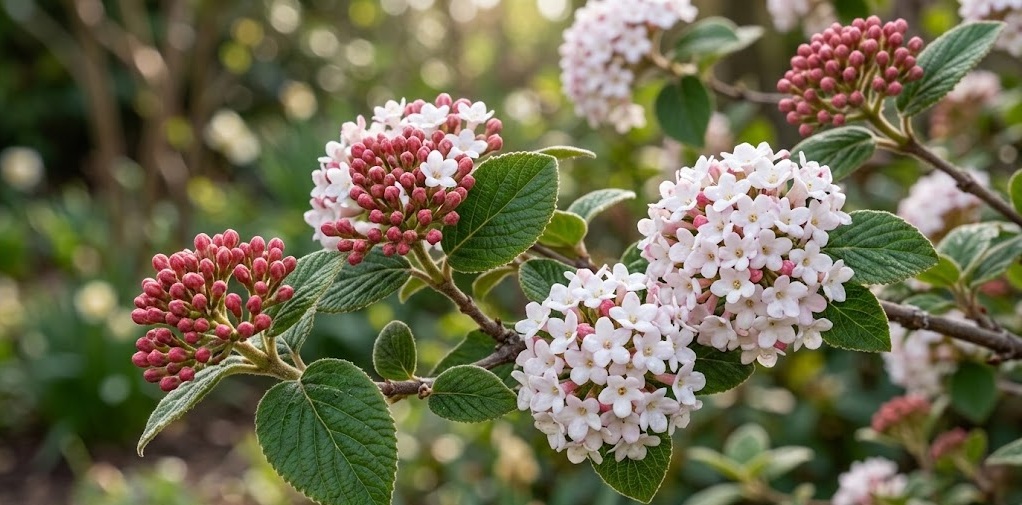
The first step in a successful planting operation is identifying a location that meets the biological needs of the viburnum. You should look for a spot with well-draining soil, as this shrub does not tolerate “wet feet” or standing water for long periods. If your garden has heavy soil, you might consider creating a slightly raised mound to improve the drainage around the root ball. Correcting drainage issues at the start is much easier than trying to fix them once the plant is established.
More articles on this topic
Soil preparation should extend well beyond the immediate hole where the plant will be placed to encourage wide root growth. You should loosen the earth in a wide circle around the planting site to make it easier for young roots to penetrate the surrounding ground. Incorporating well-rotted manure or leaf mold will enhance the soil structure and increase its water-holding capacity. This broad-spectrum preparation ensures that the plant has access to a large volume of healthy soil as it grows.
Checking the pH level of the chosen site is a professional touch that can prevent many future problems with nutrient uptake. You should aim for a range between 5.5 and 7.0, which is the “sweet spot” for most viburnum varieties to thrive. If the soil is too alkaline, you can add sulfur or peat moss to bring the level down into the preferred acidic range. These chemical adjustments create a localized environment where the plant’s metabolism can function at its peak.
Finally, consider the visual and sensory impact of the location from the perspective of your home’s windows or outdoor seating areas. You should place the shrub where its fragrance can be carried by the wind toward your living spaces during the spring bloom. Thinking about how you will interact with the plant on a daily basis adds a layer of design excellence to your horticultural efforts. A well-placed viburnum is a joy not just for the plant, but for everyone who visits the garden.
Planting techniques for optimal establishment
When it is time to put the plant in the ground, the depth of the hole is one of the most critical factors for success. You should dig a hole that is twice as wide as the root ball but no deeper than the container the plant came in. Planting too deeply can suffocate the roots and lead to trunk rot, while planting too high can cause the roots to dry out. The goal is to have the top of the root flare level with the surrounding soil surface.
More articles on this topic
Gently loosening the outer roots of the plant before placing it in the hole encourages them to grow outward into the new soil. You should be careful not to break the main root structure, but untangling any circling roots is necessary for long-term stability. Once the plant is positioned, begin backfilling the hole with the enriched soil you prepared earlier. Lightly tamping the soil as you go will help remove large air pockets without compacting the earth too tightly.
Watering immediately after planting is essential to settle the soil and provide the roots with their first drink in their new home. You should apply water slowly so that it can soak deep into the ground and reach the bottom of the root ball. This initial soaking also helps to further eliminate any remaining air gaps and ensures good contact between the roots and the soil. A thorough first watering sets the stage for a successful recovery from the transplant process.
Applying a layer of mulch around the base of the newly planted shrub is the final step in the professional planting process. You should use a natural material like wood chips or shredded bark to help conserve moisture and suppress competing weeds. Remember to keep the mulch a few inches away from the stem to allow for proper air circulation around the trunk. This protective layer acts as a buffer against temperature changes and helps the plant settle in quickly.
Softwood cutting methods for propagation
Propagating your own shrubs is a rewarding way to expand your garden and share plants with friends or family. You should take softwood cuttings in late spring or early summer when the new growth is still flexible but starting to mature. Look for healthy stems that do not have any flower buds, as these will focus their energy on developing roots rather than blooming. Using a sharp, sterilized pair of shears ensures a clean cut that heals quickly on both the parent and the cutting.
The cuttings should be approximately four to six inches long, with the lower leaves removed to expose the nodes where roots will form. You should dip the cut end into a rooting hormone powder or gel to speed up the process and increase your success rate. Place the cuttings into a well-draining potting mix that is kept consistently moist but not soaking wet. Providing a humid environment, perhaps by using a clear plastic cover, will prevent the cuttings from drying out before they can grow roots.
Indirect light is best for your developing cuttings, as direct sun can be too intense and cause them to overheat or wither. You should check the moisture levels daily and mist the leaves occasionally to maintain high humidity around the stems. It usually takes several weeks for roots to begin to form, so patience is a vital part of the propagation process. You can test for progress by giving the cutting a very gentle tug; if you feel resistance, it means roots are starting to take hold.
Once the cuttings have established a strong root system, they can be moved into individual pots to continue their growth. You should gradually acclimate them to the outdoor environment by placing them in a sheltered spot for a few hours each day. This “hardening off” process prepares the young plants for the realities of garden life and prevents transplant shock. Growing your own plants from scratch gives you a deeper connection to the life cycles in your garden.
Rooting and transition to the landscape
Moving a young, propagated plant into the permanent garden landscape requires the same level of care as planting a nursery specimen. You should wait until the root system is large enough to fill its small pot before considering the move to the open ground. A plant with a well-developed root mass will have a much higher chance of surviving the transition and establishing itself quickly. Choosing the right moment for this move is a key technical decision in the life of the new shrub.
The transition site should be prepared with the same attention to detail as any other new planting area in your garden. You should ensure the soil is loose and fertile, providing the young plant with every advantage as it begins its independent life. Protecting the small shrub from strong winds and intense sun during its first few weeks in the ground is highly recommended. You might use a temporary screen or a larger neighboring plant to provide some light shade.
Consistent watering is even more important for a young, home-grown plant than it is for a more mature nursery specimen. You should monitor the soil moisture around the new transplant daily, as its smaller root system has less of a reserve to draw from. A light application of a diluted, balanced fertilizer can help give the plant a boost once you see new leaf growth appearing. Watching your own propagation project grow into a full-sized, fragrant shrub is a highly satisfying experience.
Long-term success with propagated plants involves regular monitoring during their first two or three years in the garden. You should look for steady growth and a healthy color in the leaves as signs that the plant has fully integrated into the landscape. Pruning should be kept to a minimum during this early phase to allow the plant to build up as much energy as possible. With the right start, these new additions will soon be providing the same incredible fragrance as their parent plants.