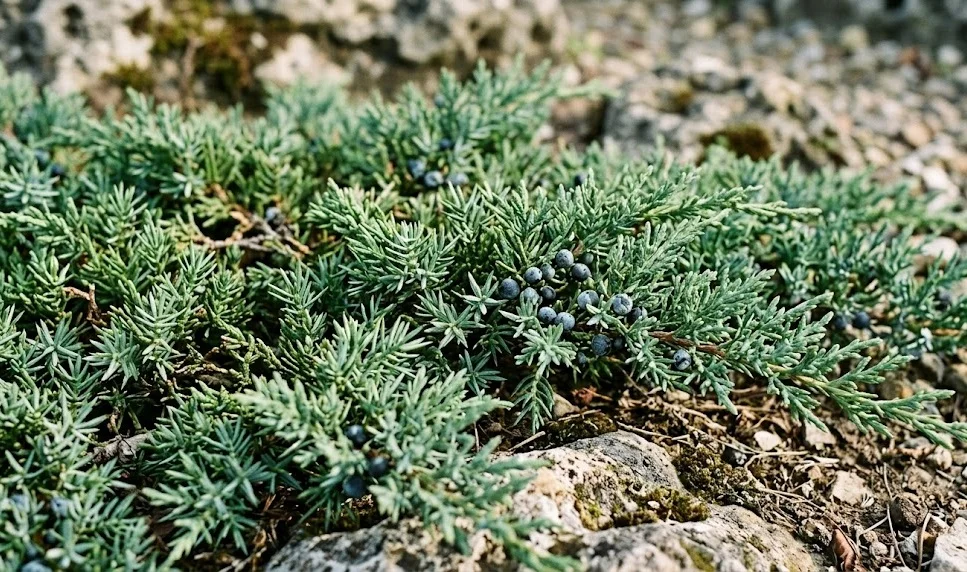

Successful planting of the savin juniper begins with selecting a site that mirrors its rugged natural environment in the mountains. This plant requires a location with exceptional drainage to prevent the root rot that often plagues evergreens in heavy, wet soils. While it can tolerate some shade, a sunny spot will produce the densest foliage and the most vibrant color throughout the seasons. Taking the time to prepare the site properly ensures that your new shrub will establish itself quickly and thrive for years to come.
The timing of the planting is just as important as the location for ensuring the survival of a young specimen. Early spring is generally considered the best time, as it allows the roots to grow into the soil before the heat of summer arrives. Alternatively, early autumn can work well in regions with mild winters, giving the plant a head start for the following spring. Avoiding the extremes of heat and cold during the transition period is key to minimizing transplant shock.
When you bring a new juniper home from the nursery, it is essential to keep the root ball moist until it is safely in the ground. Inspect the roots for any signs of being pot-bound, which can limit the plant’s ability to take up nutrients once it is planted. If the roots are circling the pot, gently tease them outward to encourage them to grow into the surrounding soil. This simple step helps the plant establish a wider and more stable foundation in its new home.
The initial care immediately after planting will determine the success of the establishment phase for the next several months. Provide a deep watering to settle the soil around the roots and remove any large air pockets that could cause drying. Applying a thin layer of mulch will help retain moisture and keep the soil temperature consistent during the first critical weeks. Monitoring the plant daily for signs of wilting or stress will allow you to adjust your care routine as needed.
Selecting the ideal location
The perfect spot for this shrub is one that receives at least six to eight hours of direct sunlight every day. Sunlight is the primary driver of the plant’s metabolic processes and is essential for maintaining its characteristic dense growth habit. In low-light conditions, the branches can become leggy and sparse, losing the aesthetic appeal that makes them so popular. Furthermore, full sun helps to dry the foliage quickly after rain, which significantly reduces the risk of fungal infections.
More articles on this topic
Soil quality should be evaluated carefully, as the plant prefers a substrate that is somewhat lean rather than overly rich. Excessive amounts of nitrogen can lead to rapid, weak growth that is more susceptible to damage from wind and heavy snow. A sandy or gravelly loam is often the best choice for providing the drainage and aeration that the roots require. If your garden has heavy clay, consider building a raised bed or a small mound to improve the drainage characteristics of the site.
Air movement is another critical factor that gardeners often overlook when choosing a location for a new evergreen. Strong winds can sometimes dry out the foliage in the winter, but gentle, consistent airflow is necessary to keep the plant healthy. Avoid planting in deep hollows or enclosed corners where air can become stagnant and humid over time. A site that allows the breeze to move through the branches will naturally prevent many common pests and diseases from taking hold.
The proximity to other structures and walkways should be planned with the mature size of the shrub in mind. Because this species spreads horizontally, it can quickly encroach on paths or overwhelm smaller neighboring plants if not given enough room. Measure the available space and compare it to the expected spread of the cultivar you have chosen for your landscape. Proper spacing ensures that you won’t have to perform drastic pruning later to keep the plant within its intended boundaries.
The planting process step by step
Start by digging a hole that is twice as wide as the root ball but no deeper than the container the plant came in. The extra width allows for the backfilled soil to be loose enough for young roots to penetrate easily as they expand. It is a common mistake to plant too deeply, which can lead to trunk rot and a general decline in the plant’s health. The top of the root ball should be level with or slightly above the surrounding ground level.
More articles on this topic
Once the hole is prepared, carefully remove the plant from its container and place it in the center of the excavation. Check the orientation of the shrub to ensure that its best side is facing the most prominent viewing angle in your garden. If the plant is leaning, use a small amount of soil to level the base before you begin the backfilling process. Taking a moment to get the positioning right now will save you from having to adjust it later.
Backfill the hole using the soil you removed, breaking up any large clumps as you go to ensure good contact with the roots. You can mix in a small amount of compost if the soil is particularly poor, but avoid using too much heavy organic matter. Firm the soil down gently with your hands to remove air pockets, but be careful not to compact it so much that water cannot penetrate. The goal is to create a supportive yet permeable environment for the new root system.
Create a small soil basin around the perimeter of the planting hole to help direct water toward the root zone during the first year. This basin acts as a reservoir, allowing water to soak in slowly rather than running off the surface of the ground. After the first deep watering, check for any settling of the soil and add more if necessary to maintain the proper level. This structured approach to planting provides the best possible start for your new savin juniper.
Propagation by semi-hardwood cuttings
Propagating this species from cuttings is a rewarding way to expand your garden collection using the plants you already have. The best time to take cuttings is in late summer or early autumn when the new growth has started to harden at the base. Choose healthy, disease-free stems that show vigorous growth and have no signs of pest damage or stress. Using a sharp, sterilized knife or shears is essential for making clean cuts that will heal and root effectively.
Each cutting should be about ten to fifteen centimeters long, taken from the tips of the side branches of the current year’s growth. Remove the needles from the bottom half of the stem to prevent them from rotting when placed in the rooting medium. Dipping the base of the cutting into a rooting hormone powder can significantly increase the chances of successful root development. This hormone provides the chemical signals the plant needs to transition from growing foliage to producing roots.
Place the prepared cuttings into a well-drained medium consisting of a mix of peat and perlite or coarse sand. The medium should be kept consistently moist but never waterlogged, as excess moisture will cause the cuttings to rot before they can root. Covering the tray with a clear plastic dome can help maintain the high humidity levels that are necessary for the cuttings to survive. Keep the tray in a bright spot but out of direct sunlight to prevent the delicate stems from overheating.
Rooting can take several months, so patience is a required virtue for anyone attempting to propagate junipers by this method. Check for root development by gently tugging on the cuttings; if you feel resistance, it means that roots are beginning to form. Once the roots are well-established, you can begin to acclimate the young plants to lower humidity levels by gradually removing the cover. Transplanting the new junipers into individual pots is the next step before they are ready for the garden.
Establishing young plants in the garden
The first two years are the most critical for the long-term survival of a newly planted or propagated savin juniper. During this period, the plant is focusing its energy on building a root system that can support its future growth and provide drought resistance. You must ensure that the soil remains moist but not saturated, especially during the hot and dry months of the summer. Regular monitoring will help you determine the exact watering schedule needed for your specific soil and climate conditions.
Mulching is an indispensable tool for protecting young plants from the elements and reducing competition from weeds. A layer of wood chips or shredded bark about five centimeters thick will help insulate the roots from extreme temperature fluctuations. Be sure to keep the mulch a few centimeters away from the main trunk to prevent moisture from trapped against the bark. This simple barrier also helps to improve the soil structure as it slowly breaks down over several years.
Avoid the temptation to apply heavy amounts of fertilizer to young plants, as this can lead to an imbalance between top growth and root development. If the plant appears healthy and is growing at a normal rate, it likely has all the nutrients it needs from the existing soil. If you do choose to fertilize, use a very light application of a balanced, slow-release product in the early spring. The goal is to support steady, sustainable growth rather than forcing a rapid increase in size.
Protecting young plants from physical damage is also important, especially in areas with high foot traffic or active wildlife. A small temporary fence or cage can prevent animals from browsing on the tender new growth or accidentally stepping on the plant. As the shrub grows and hardens, it will become much more resilient and will no longer require this extra level of protection. Consistency and care during these early stages will ensure a beautiful and healthy mature specimen.

