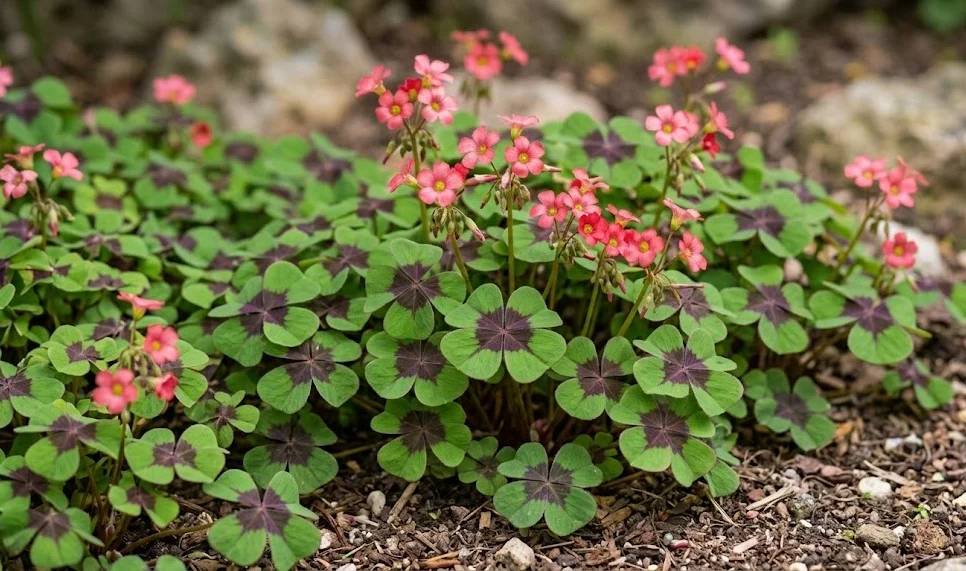

Light is the primary source of energy for the four-leaf sorrel and determines the color, size, and strength of its foliage. While this plant is relatively adaptable, providing the optimal intensity and duration of light is crucial for a professional-grade display. Understanding how the plant interacts with sunlight will help you choose the best location in your home or garden. Mastering the nuances of light management is a key skill for any dedicated plant enthusiast.
In their native habitats, these plants often grow in environments where they receive bright but somewhat filtered light. This means they are perfectly suited for spots that get plenty of indirect sunshine throughout the day. Direct, harsh midday sun can be problematic, as it can quickly dehydrate the thin leaves and cause the colors to fade. Finding a balance that provides enough energy without causing heat stress is the goal of a professional placement.
The leaves of the four-leaf sorrel have a fascinating ability to respond to light levels through a movement called nyctinasty. At night, or when the light levels are very low, the leaflets will fold downward, resembling a closed umbrella. When the morning light returns, they expand and flatten out to maximize their surface area for photosynthesis. This dynamic behavior is a clear indicator of how closely the plant’s health is tied to its light environment.
If a plant is kept in conditions that are too dark, it will begin to show signs of distress almost immediately. The stems will become long, thin, and “leggy” as the plant stretches desperately toward the nearest light source. The vibrant purple markings on the leaves may also fade, leaving the foliage looking dull and washed out. These visual cues are the plant’s way of telling you that its energy needs are not being met.
Optimal exposure locations
For indoor cultivation, an east-facing window is often considered the ideal location for the four-leaf sorrel. This provides the plant with gentle morning sun, which is bright enough to trigger growth but cool enough to avoid burning the leaves. A west-facing window can also work well, provided there is a sheer curtain to filter the more intense afternoon rays. Keeping the plant within a few feet of the glass ensures it receives the maximum amount of usable light.
More articles on this topic
South-facing windows offer the most light but also the most heat, which can be a double-edged sword for this species. During the winter months, a southern exposure can be a lifesaver, providing the extra energy needed during the short days. However, in the peak of summer, the heat buildup behind the glass can be too much for the delicate bulbs. Monitoring the temperature at the leaf surface is a professional way to ensure the plant remains comfortable in high-light spots.
Outdoors, the best location is often one that provides “dappled” shade or bright, indirect light for most of the day. Placing the pots under the canopy of a large tree or on a covered porch can create the perfect microclimate. This mimics the plant’s natural tendency to grow among taller grasses or shrubs that provide a bit of protection. Such a placement keeps the foliage lush and prevents the soil from drying out too rapidly under the sun’s heat.
Rotating your plants regularly is a simple professional technique that ensures all sides of the foliage receive equal light. Every time you water, give the pot a quarter-turn to prevent the plant from leaning heavily in one direction. This practice promotes a symmetrical, well-balanced growth habit that looks much more professional and attractive. It is a small detail that makes a big difference in the overall presentation of your botanical collection.
Signs of light stress and adaptation
Sunscald or leaf scorch is the most common sign of excessive light exposure, appearing as white or crispy brown patches on the leaves. These damaged areas can no longer perform photosynthesis and will eventually cause the leaf to die and drop off. If you notice these symptoms, it is imperative to move the plant to a more shaded location immediately. Once the leaves are scorched, they cannot be repaired, so prevention is the only real solution for maintaining a perfect display.
More articles on this topic
Conversely, a lack of light causes the plant to lose its compact, mounded shape as it focuses all its energy on stem elongation. This “etiolation” makes the plant look weak and spindly, and the stems may eventually collapse under their own weight. If your plant has become leggy, you can move it to a brighter spot and trim back the longest stems to encourage new, bushier growth. This intervention helps reset the plant’s form and restores its professional aesthetic.
The color intensity of the foliage is another sensitive indicator of the light levels the plant is receiving. In optimal light, the green will be deep and the central purple blotches will be sharp and well-defined. If the light is too low, the purple areas may shrink or turn a muddy, greenish-brown color. Observing these subtle shifts in pigmentation allows an expert gardener to fine-tune the plant’s position for maximum visual impact.
During the seasonal transitions, you must be prepared to adjust your plant’s location to account for the changing angle of the sun. A spot that was perfect in the spring might become too dark in the autumn or too hot in the middle of summer. Being proactive about these environmental changes shows a professional level of commitment to the plant’s long-term health. Constant adaptation is the key to maintaining a vibrant and thriving garden throughout the entire year.