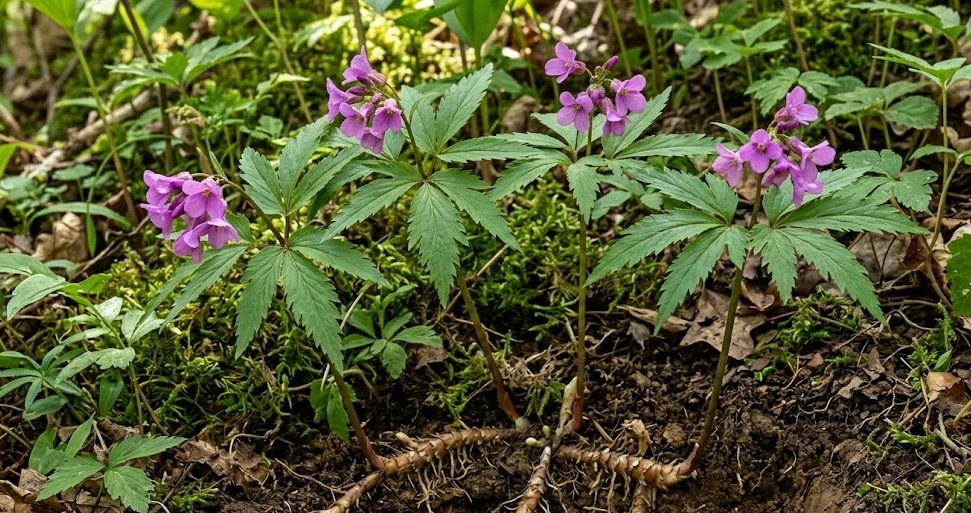

While the glandular bittercress is a relatively hardy and resilient species, it is not entirely immune to the challenges of the natural world. Maintaining a healthy and vibrant colony requires you to be vigilant and knowledgeable about the potential threats from pathogens and insects. By understanding the common issues and implementing professional preventive measures, you can protect your plants and ensure they remain a highlight of your spring garden. A proactive approach is always more effective than trying to cure a severe infestation after it has taken hold.
The most important step in pest and disease management is regular observation of your plants during their active growing season. You should take a close look at the leaves, stems, and flowers at least once a week to spot any early signs of trouble. Look for discoloration, holes in the leaves, or unusual growth patterns that might indicate an underlying problem. Early detection allows you to intervene quickly with the most gentle and effective treatments available.
Most issues with woodland perennials are related to the environment, particularly excessive moisture or poor air circulation. You should ensure that your plants are not overcrowded and that the soil has excellent drainage to prevent many common fungal diseases. Healthy plants that are grown in the right conditions are naturally more resistant to both pests and pathogens. Your primary goal should be to provide a stress-free environment where the plants’ own natural defenses can function at their best.
When you do encounter a problem, you should aim to identify the specific cause before taking any action. Misidentifying a harmless insect as a pest or a nutrient deficiency as a disease can lead to ineffective and potentially harmful treatments. You can use gardening guides, online resources, or local experts to help you reach an accurate diagnosis. Once you know what you are dealing with, you can choose a professional and targeted solution that minimizes impact on the surrounding ecosystem.
Common fungal pathogens
Fungal diseases are the most frequent health issues for plants that grow in the moist, shaded conditions favored by the bittercress. You may encounter downy mildew, which appears as a grayish-white fuzz on the undersides of the leaves and can cause the foliage to yellow and drop. Another potential issue is leaf spot, which manifests as small, dark circles on the leaves that can eventually merge and damage large areas of tissue. These fungi thrive in cool, damp weather with low air movement, which often characterizes the spring season.
More articles on this topic
To prevent fungal outbreaks, you should avoid watering your plants from above, as wet leaves are the primary entry point for many spores. You should always aim the water at the base of the plant and try to water early in the day so the foliage can dry quickly in the sun. If you notice infected leaves, you should remove them immediately and dispose of them in the trash, never in your compost pile. This simple act of hygiene can significantly reduce the amount of fungus present in your garden.
In cases where a fungal infection is spreading rapidly, you might consider using an organic fungicide such as a sulfur or copper-based spray. You should follow the product instructions carefully and apply the treatment during a period of dry weather for the best results. However, you should use these products sparingly, as they can also affect beneficial microorganisms in the soil. Improving the overall environmental conditions is usually a more sustainable long-term solution than relying on chemical sprays.
Root rot is a more serious fungal issue that occurs when the soil is chronically waterlogged and the rhizomes are deprived of oxygen. You will notice the plant wilting even when the soil is wet, and if you dig up a rhizome, it will be soft, dark, and foul-smelling. The best treatment for root rot is prevention through proper soil preparation and drainage management. If a plant is severely affected, it is often best to remove it and the surrounding soil to prevent the rot from spreading to healthy neighbors.
Insect pest identification
Several types of insects may find the tender spring growth of the glandular bittercress to be an attractive food source. Slugs and snails are perhaps the most common culprits, leaving large, ragged holes in the leaves and tell-tale silvery slime trails. They are particularly active during wet spring nights and can quickly devastate a young colony if left unchecked. You should look for them under mulch or in other cool, damp hiding spots near your plants during the day.
More articles on this topic
Aphids are another potential pest that you might find clustered on the new shoots or the undersides of the leaves. These small, soft-bodied insects suck the sap from the plant, which can lead to distorted growth and a general decline in vigor. They also secrete a sticky substance called honeydew, which can encourage the growth of black sooty mold on the foliage. While a few aphids are usually not a major problem, a large colony can significantly stress the plant during its short growing season.
You might also notice the larvae of certain beetles or moths feeding on the leaves as the season progresses. These caterpillars can be identified by their distinctive feeding patterns and the presence of their droppings on the leaves. Most of these insects are a natural part of the woodland ecosystem and do not cause enough damage to require intervention. However, you should keep an eye on their numbers to ensure they don’t reach a level that threatens the survival of the plant.
Professional pest management involves a “wait and see” approach for most minor insect issues, allowing natural predators to do the work for you. Ladybugs, lacewings, and birds are all excellent allies in the fight against aphids and caterpillars. By avoiding broad-spectrum insecticides, you protect these beneficial organisms and help maintain a healthy balance in your garden. You should only consider intervention when the damage to the plant is severe enough to compromise its long-term health.
Preventive gardening practices
The best way to manage diseases and pests is to prevent them from ever becoming a problem through smart gardening practices. You should start by choosing healthy, high-quality plants or rhizomes from a reputable source for your initial planting. Inspect new arrivals carefully for any signs of hitchhiking pests or visible disease before introducing them to your garden. This “quarantine” step is a standard professional practice that can save you a lot of trouble in the future.
Maintaining proper spacing between your plants is another critical preventive measure that you should always implement. Good airflow between the leaves reduces the humidity levels around the foliage, making it much harder for fungal spores to germinate. As your colony spreads, you should be prepared to thin out the plants every few years to maintain this necessary ventilation. A bit of extra space is a small price to pay for the improved health of the entire population.
Good garden hygiene is essential for reducing the overall pressure from pests and diseases in your woodland landscape. You should remove any fallen leaves or debris from diseased plants at the end of every season to prevent pathogens from overwintering. Keeping your gardening tools clean and sterilized is also important, especially when you are moving between different parts of the garden. These simple habits create a much cleaner and safer environment for all your plants to grow in.
Finally, you should focus on building the overall health and resilience of your bittercress through proper care and nutrition. A plant that is well-hydrated and growing in nutrient-rich soil is much better equipped to recover from minor pest damage or resist infection. You should think of your maintenance routine as a form of preventative medicine for your garden. Professional gardeners know that a strong, healthy plant is the best defense against any natural challenge.
Organic control methods
When you do need to intervene to control a pest problem, you should always start with the most gentle and natural methods available. For slugs and snails, you can use physical barriers like copper tape or create “traps” using small containers of beer buried at soil level. Hand-picking the pests at night with a flashlight is also a very effective, if time-consuming, way to reduce their numbers. These methods are targeted and do not introduce any harmful chemicals into your delicate woodland ecosystem.
If aphids become a significant problem, a strong stream of water from a garden hose can often knock them off the plants and disrupt their feeding. You can also use an organic insecticidal soap or a dilute solution of neem oil to treat affected areas of the foliage. These products work on contact and break down quickly in the environment, making them safe for most beneficial insects when used correctly. Always test a small area of the plant first to ensure it doesn’t have a negative reaction to the treatment.
Encouraging biodiversity in your garden is one of the most effective long-term organic control strategies you can employ. By planting a variety of different species and providing habitat for birds, toads, and beneficial insects, you create a self-regulating system. These natural predators will do most of the pest control work for you, often before you even realize there is a problem. A professional gardener works with nature, rather than against it, to maintain the health of their landscape.
In extreme cases where a specific disease or pest is consistently ruining your plants, you may need to reconsider the location or the soil conditions. Sometimes, moving the colony to a spot with better air movement or improved drainage is the only permanent solution. You should view these challenges as an opportunity to learn more about the specific needs of the bittercress in your unique environment. Gardening is an ongoing experiment, and finding organic solutions is a rewarding part of the process.
Monitoring plant vitality
The long-term success of your pest and disease management strategy depends on your ability to monitor the overall vitality of your plants. You should keep a gardening journal to record any issues you encounter and the treatments you used, noting what worked and what didn’t. This historical record will help you predict potential problems in future years based on the weather and the timing of past outbreaks. Professional monitoring allows you to stay one step ahead of most common garden challenges.
You should pay close attention to how your plants recover from any damage they have sustained during the growing season. If a colony bounces back quickly and continues to spread, it is a good sign that your overall care routine is effective. However, if the plants seem to be struggling year after year, it may indicate that there is a more significant underlying issue that needs to be addressed. Your goal is to foster a population that is not just surviving, but truly thriving in its environment.
As the season ends and the plants go dormant, you should take one last look at the health of the rhizomes if you happen to be dividing or moving any. Healthy rhizomes should be firm, light in color, and free of any visible signs of rot or insect damage. This “underground checkup” provides valuable information that you cannot get just by looking at the leaves and flowers. Knowing the state of the plant’s foundation is essential for predicting its performance in the coming year.
Your dedication to monitoring and protecting your glandular bittercress will be rewarded with a beautiful and resilient garden. By acting as an informed and attentive steward, you ensure that this special woodland species continues to thrive for many generations. The challenges of pests and diseases are simply part of the natural cycle, and your professional management allows the beauty of the plant to shine through. Enjoy the peace of mind that comes from knowing you are providing the best possible care for your landscape.