
Starting a new colony of these spring-flowering perennials requires careful planning and an understanding of their specific growth habits. The planting process is the foundation upon which the future health and spread of the population will depend. You should aim to create an environment that mimics the fertile, moist floors of old-growth forests to ensure rapid establishment. By following professional planting techniques, you can enjoy a vibrant display of purple blooms every spring for decades to come.
The first step in a successful planting project is selecting the ideal location within your garden or landscape. You should look for a spot that receives bright, filtered light in the early spring but is heavily shaded during the hot summer months. Areas under the canopy of deciduous trees or on the north side of buildings are often the most suitable. The site should also have naturally moist soil that does not become waterlogged during heavy spring rains.
Before you begin planting, you must prepare the soil to provide the best possible start for the young rhizomes. You should remove any aggressive perennial weeds and loosen the earth to a depth of about fifteen centimeters. Incorporating a generous amount of well-rotted leaf mold or garden compost will improve the soil structure and nutrient content. This preparation creates a loose, welcoming medium that encourages the creeping rhizomes to spread quickly.
The timing of your planting is just as important as the location and soil preparation. You will have the most success if you plant during the dormant period in late summer or early autumn. This allows the rhizomes to establish their root systems in the cooling soil before the ground freezes for the winter. Planting at this time ensures that the bittercress is ready to burst into growth as soon as the first signs of spring appear.
Effective planting methods
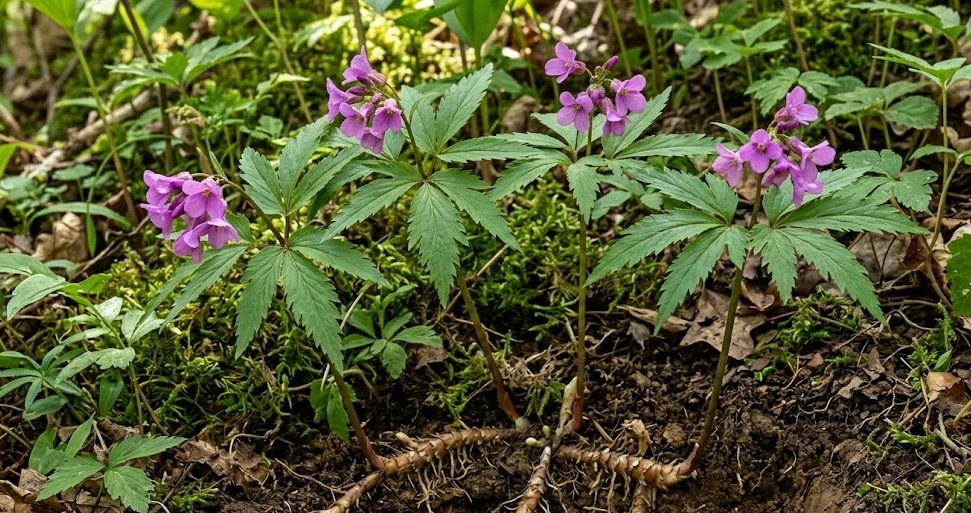
When you are ready to put the plants in the ground, you should handle the delicate rhizomes with extreme care to avoid breakage. You should dig shallow trenches or individual holes that are just deep enough to cover the rhizomes with three to five centimeters of soil. Place the rhizomes horizontally in the ground, as this is how they naturally grow and spread across the forest floor. Space the individual units about twenty centimeters apart to give them room to expand without immediate competition.
More articles on this topic
Once the rhizomes are in place, you should firm the soil gently around them with your hands to remove any large air pockets. You must avoid tamping the soil down too hard with your feet, as this can compress the earth and make it difficult for new shoots to emerge. A light touch is essential to maintain the porous structure that woodland plants prefer. After planting, you should water the area thoroughly to settle the soil and provide immediate hydration.
Applying a layer of mulch immediately after planting is a professional technique that yields excellent results. You should use a two-centimeter layer of shredded leaves or fine bark to protect the bare soil and maintain moisture levels. This mulch also acts as an insulator, protecting the newly planted rhizomes from extreme temperature fluctuations during their first winter. It serves as a visual marker so you don’t accidentally disturb the area during other autumn garden tasks.
Monitoring the planting site during the first few weeks is crucial to ensure the rhizomes are settling in well. You should check the moisture levels regularly and provide additional water if the autumn weather is unseasonably dry. If you notice any rhizomes have been pushed to the surface by birds or heavy rain, simply tuck them back under the soil. Your attentiveness during this initial phase will pay off in a much higher survival rate and more vigorous spring growth.
Rhizome division techniques
Propagation by division is the most effective way to expand your collection of glandular bittercress once you have an established colony. You should wait until the plant has been growing in one spot for at least three to four years before attempting to divide it. The best time for this process is in late spring, just as the foliage begins to yellow after flowering. This allows you to see exactly where the plants are while they are still in their active, albeit declining, phase.
More articles on this topic
To begin the division, you should carefully lift a section of the colony with a garden fork, being sure to dig deep enough to include the entire root system. You will see the horizontal rhizomes intertwined, and you can gently pull them apart by hand or use a clean, sharp knife. Each piece that you intend to replant should have at least one or two healthy-looking growth buds or “eyes.” Professional gardeners always ensure their tools are sterilized to prevent the spread of any soil-borne pathogens.
After you have separated the rhizomes, you should replant the divisions as quickly as possible to prevent them from drying out. If you cannot plant them immediately, keep them in a cool, shaded spot wrapped in damp burlap or tucked into a pot of moist compost. The replanting process follows the same steps as the initial planting, focusing on shallow depth and horizontal placement. You should water the new divisions immediately to reduce transplant shock and encourage quick root re-attachment.
Division not only provides you with new plants but also helps maintain the vigor of the original colony. Over time, the center of a dense patch can become overcrowded and less productive, so thinning it out revitalizes the entire stand. You can use the extra plants to fill in gaps in other parts of your garden or share them with fellow gardening enthusiasts. This cycle of growth and division is a sustainable way to manage your woodland landscape over many years.
Early growth support
The first spring after planting or division is a critical time for the young bittercress plants as they emerge for the first time. You should watch the area closely in late winter for the first signs of purple-tinged shoots pushing through the mulch. If a sudden cold snap is predicted after the shoots have appeared, you should provide some temporary protection. A light covering of dry leaves or a piece of frost cloth can prevent the tender new growth from being damaged by freezing temperatures.
During this first active growing season, the plants may not flower as heavily as established ones, as they are focusing their energy on root development. You should resist the urge to apply heavy fertilizers to force more blooms, as this can stress the young plants. Instead, focus on maintaining consistent soil moisture and ensuring that larger neighboring plants are not crowding them out. This patient approach allows the bittercress to build the foundation it needs for a lifetime of healthy growth.
You should keep the area around the new plants free of weeds that might compete for water and nutrients. Since the bittercress is still small, even minor weed growth can steal valuable resources and shade the young foliage. Hand-pulling weeds is the safest method, as it allows you to be precise and avoid disturbing the shallow rhizomes. As the bittercress spreads and forms a dense carpet, it will naturally begin to suppress most weeds on its own.
By the end of the first season, you will hopefully see that the plants have increased in size and perhaps even sent out a few new horizontal runners. You should continue to provide a fresh layer of mulch each autumn to support this ongoing expansion. Your role during these early years is that of a facilitator, providing the right conditions and then stepping back to let the plant’s natural resilience take over. Successful establishment is a rewarding milestone in the creation of a professional-grade woodland garden.