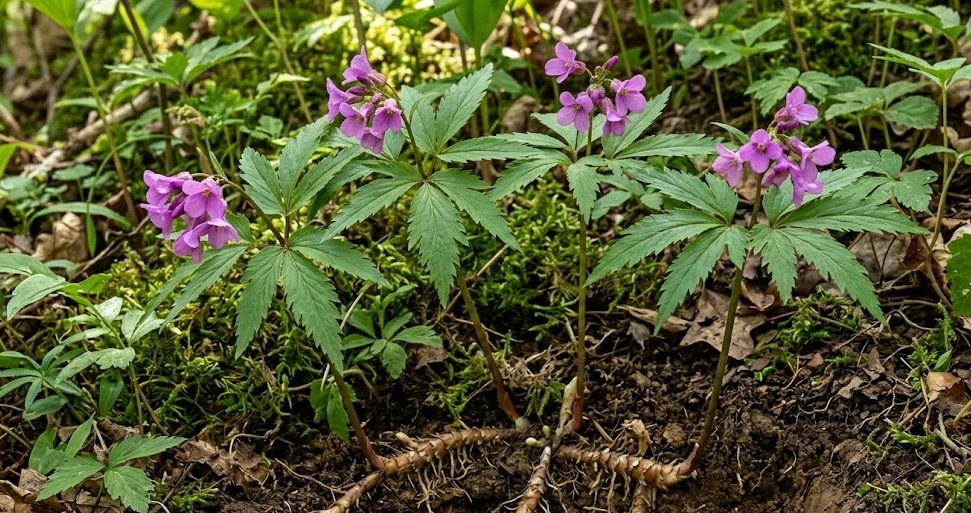

Managing a thriving woodland garden requires a deep understanding of the specific ecological niches that native perennials occupy throughout the year. The glandular bittercress is a remarkable spring ephemeron that brings vibrant life to the forest floor before the tree canopy fully closes. To succeed with this plant, a gardener must mimic the cool, damp conditions found in its natural mountainous habitats across Central Europe. This professional guide will detail every aspect of its cultivation to ensure your landscape benefits from its unique aesthetic and biological contributions.
Establishing the right environment starts with recognizing that this species thrives in deciduous forest settings where sunlight is abundant only in early spring. You should aim to place the plants under trees that leak light before their leaves develop, such as oaks or beeches. This timing is crucial because the plant completes much of its life cycle before summer shade becomes too dense. Soil temperature also plays a vital role, as the plant prefers the consistent coolness provided by a thick layer of natural leaf mulch.
Air circulation is another factor that professional gardeners often overlook when dealing with forest floor species. While the plant enjoys a sheltered location, stagnant air can lead to moisture-related issues on the delicate foliage. You should ensure that the planting site allows for gentle air movement while remaining protected from harsh, drying winds. This balance helps maintain the high humidity levels that the plant requires during its most active growth phase in April and May.
Water management within the habitat should reflect the natural snowmelt and spring rains of the Carpathian mountains. The ground must remain consistently moist but never waterlogged, as the rhizomes are sensitive to lack of oxygen in the soil. You can achieve this by incorporating plenty of organic matter, which holds moisture while allowing excess water to drain away. Observation of the local microclimate will help you adjust your care routine to the specific needs of your garden’s topography.
Seasonal growth patterns and life cycle
The growth cycle of this perennial is relatively short and highly synchronized with the changing seasons of the temperate forest. You will notice the first shoots emerging as soon as the ground thaws, often pushing through the snow or leaf litter. This early start allows the plant to flower and produce seeds before the forest floor becomes too dark for photosynthesis. Understanding this timing is essential for coordinating other garden tasks around the plant’s active period.
More articles on this topic
Once the flowering stage concludes, the plant begins to store energy in its creeping rhizomes for the following year. You should avoid disturbing the soil or the foliage during this critical energy-gathering phase to ensure a strong return next spring. The leaves will gradually yellow and die back as summer progresses, which is a natural part of its dormancy. Do not be alarmed by this disappearance, as the plant is simply retreating underground to escape the summer heat.
Dormancy is a period of rest, but the rhizomes remain alive and active just beneath the soil surface. You must protect the planting area even when no green growth is visible to prevent accidental damage during summer gardening. Marking the location with small stakes or labels can prevent you from digging into the dormant colonies. This respect for the plant’s natural rhythm is the hallmark of a professional approach to woodland horticulture.
In late autumn, the plant begins a secondary phase of root development in preparation for the upcoming winter. This is the time when the soil should be refreshed with a new layer of compost or fallen leaves to provide insulation. You are essentially preparing the foundation for the next spring’s display during these quiet months. Consistent care throughout these invisible stages ensures the long-term health and vigor of your bittercress population.
Soil and nutrition management
The chemical and physical composition of the soil is the most important factor for the long-term health of this species. You should strive for a soil that is rich in humus and slightly acidic to neutral in its pH level. Heavy clay should be amended with grit and leaf mold to improve the structure and prevent compaction around the rhizomes. A well-structured soil allows the roots to spread easily, which is necessary for the plant to form the dense carpets it is known for.
More articles on this topic
Nutrient availability should be steady and derived primarily from organic sources rather than synthetic chemicals. You will find that the plant responds best to a natural mulching system where leaves are allowed to decompose in place. This process mimics the nutrient cycle of a forest and provides all the trace elements the bittercress needs. If your soil is particularly poor, a light application of well-rotted garden compost in early spring can provide a helpful boost.
Avoid using high-nitrogen fertilizers that can cause rapid, weak growth that is susceptible to pests and diseases. The goal is to encourage sturdy, resilient plants that can withstand the fluctuations of early spring weather. You should focus on building the overall health of the soil ecosystem, including beneficial fungi and microorganisms. A healthy soil life will do most of the work for you, creating a self-sustaining environment for your plants.
Compaction is a major enemy of the glandular bittercress, as it restricts the movement of the creeping rhizomes. You should avoid stepping on the planting beds, especially when the soil is wet and most vulnerable to being squashed. Creating dedicated pathways through your woodland garden will help protect the delicate underground structures. Maintaining a loose, friable soil texture is the best way to ensure the plant continues to spread and thrive.
Microclimate and moisture
The moisture levels in your garden must be carefully managed to support the plant’s rapid spring growth. You should monitor the soil regularly, especially during dry spells in March and April when the plant is flowering. If the soil feels dry to the touch, a deep, gentle watering is necessary to prevent the plant from going into premature dormancy. Consistent hydration ensures the flowers stay vibrant for a longer period and the seeds develop properly.
In addition to soil moisture, the humidity of the air around the plant contributes to its overall well-being. You can enhance local humidity by planting the bittercress in groups or near other moisture-loving woodland plants. This collective transpiration creates a humid microclimate that protects the thin leaves from drying out. Using a fine mist during particularly warm spring days can also be beneficial if the natural humidity is low.
Drainage is the other side of the moisture equation that requires your professional attention. While the plant loves water, it cannot tolerate standing water around its rhizomes, which can quickly lead to rot. You should ensure the planting site is slightly sloped or built up with organic matter if your garden has a high water table. Proper drainage ensures that oxygen can reach the roots even during the wettest parts of the spring.
As the summer heat arrives, your focus should shift to keeping the dormant rhizomes cool and relatively dry. You should maintain a thick layer of mulch to insulate the soil against the baking sun and prevent deep evaporation. This insulation keeps the underground parts of the plant at a stable temperature, which is vital for their survival until autumn. Careful moisture management throughout the year is the key to a successful and recurring spring display.
Protective measures for growth
Protecting the young shoots from late spring frosts is a task that may require your intervention in some climates. While the plant is generally hardy, sudden drops in temperature after a warm spell can damage the emerging flower buds. You can use horticultural fleece or a temporary layer of light straw to provide extra protection on particularly cold nights. Removing these covers during the day is important to prevent overheating and to allow for light penetration.
Physical protection from garden traffic and animals is also necessary to maintain the integrity of the plant colonies. You should consider low fencing or strategic placement of logs to guide people away from the sensitive growing areas. Dogs and other pets should be kept out of these beds, as their digging or trampling can be devastating to the shallow rhizomes. Creating a clear boundary for your woodland garden helps preserve the naturalistic look while keeping the plants safe.
Invasive weeds can quickly overwhelm the glandular bittercress if they are allowed to establish themselves. You should practice regular, careful weeding by hand to avoid damaging the shallow root system of your desired plants. Mulching is your best tool for weed suppression, as it prevents light from reaching the seeds of unwanted species. Keeping the area clean of aggressive competitors allows the bittercress to form the pure, beautiful stands seen in nature.
The wind can be a significant stressor for woodland plants that are adapted to the calm interior of a forest. You should plant windbreaks of hardy shrubs or use existing structures to shield the bittercress from strong gusts. This protection prevents mechanical damage to the stems and reduces the rate of moisture loss from the foliage. A calm environment allows the plant to focus its energy on growth and reproduction rather than repairing damage.
Companion planting strategies
Choosing the right companions for your bittercress will enhance both the aesthetic and ecological value of your garden. You should look for other woodland perennials that share similar cultural requirements, such as wood anemones or early primroses. These plants flower at the same time and create a diverse, tapestry-like effect on the garden floor. Combining different leaf textures and flower colors adds depth and interest to the spring landscape.
You should also consider plants that will take over the space once the bittercress goes dormant in the summer. Ferns and hostas are excellent choices because their leaves expand later in the season, covering the bare spots left behind. This succession planting ensures that the woodland bed remains attractive and weed-free throughout the entire year. The overlapping root systems also help stabilize the soil and manage moisture levels more effectively.
Professional garden design often involves creating layers of vegetation that mimic the natural structure of a forest. You can place the bittercress at the front of a border or as a groundcover beneath taller shrubs like rhododendrons or hazels. These larger plants provide the necessary shade and leaf litter that the bittercress depends on for its survival. This layered approach creates a more resilient and self-sustaining garden ecosystem.
Observing how different plants interact over several seasons will help you refine your companion planting choices. You might find that some species are too aggressive and need to be thinned out to protect the bittercress. Conversely, you may discover new combinations that highlight the unique purple hue of the bittercress flowers. Gardening is an ongoing process of observation and adjustment to find the perfect balance for your local conditions.
Long term maintenance goals
The ultimate goal of your maintenance routine should be to allow the glandular bittercress to naturalize and spread. You will know you are successful when the original patches begin to merge and cover larger areas of the garden floor. This naturalization process requires patience and a hands-off approach during the summer months when the plant is dormant. Allowing the plant to follow its natural trajectory will result in a more authentic and low-maintenance woodland setting.
Regular assessment of the colony’s health will help you identify when it might be time for intervention. If you notice a decline in flowering or a thinning of the foliage, it may indicate that the soil is exhausted or the shade has become too dense. You should be prepared to refresh the soil with organic matter or thin out the overhanging canopy to restore the necessary light levels. Taking proactive steps ensures the longevity of the planting for many years to come.
Record keeping is a valuable tool for any professional gardener interested in long-term success. You should note the dates of emergence, flowering, and dormancy each year to track the plant’s response to local weather patterns. This information will help you refine your watering and protection schedules over time. Learning the specific rhythms of your own garden’s population is the best way to become an expert in its care.
Sharing your successes and even your failures with other gardeners contributes to the collective knowledge of woodland horticulture. You might even find opportunities to share extra rhizomes with friends, spreading the beauty of this plant to other landscapes. The joy of gardening comes not only from the individual plants but from the connection to the natural world and the community. Your dedication to the care of this special species is a gift to both your garden and the environment.