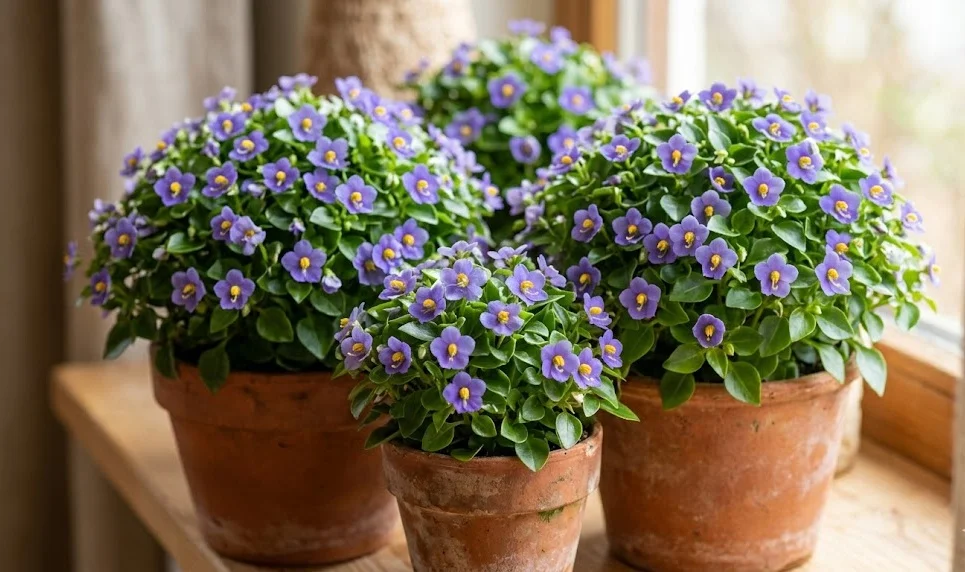

Successfully guiding a tropical plant through the winter months is one of the most challenging tasks for any indoor gardening professional. The persian violet, being native to warmer climates, requires a specific set of adjustments to survive the shorter days and drier air of the cold season. Understanding the physiological changes that occur during this period is essential for maintaining the plant’s health until the spring. By following a structured overwintering plan, you can preserve your specimens for another beautiful growing season.
The primary goal of overwintering is to keep the plant in a state of healthy dormancy or slowed growth rather than forcing it to bloom. During the winter, the low light levels in most homes are insufficient to support the high energy demands of continuous flowering. Attempting to stimulate growth with heavy watering or fertilizer during this time can result in weak stems and increased susceptibility to disease. Professional growers accept this natural lull in the plant’s life cycle as a necessary phase for long-term vitality.
The change in indoor atmospheric conditions is perhaps the greatest threat to your plants during the winter months. Central heating systems significantly reduce the relative humidity, creating a desert-like environment that can quickly dehydrate delicate tropical foliage. You will need to take proactive steps to maintain a stable microclimate around your plants to prevent the leaves from becoming brittle. Success in winter gardening is often more about environmental management than it is about direct plant care.
Monitoring for temperature fluctuations is another critical component of a professional overwintering strategy. While the plant needs to be kept in a bright spot, many windows can become dangerously cold during the night, especially in northern climates. Conversely, placing the plant too close to a radiator can lead to heat stress and a rapid loss of moisture from the soil. Finding a stable middle ground is the key to ensuring that your persian violet survives the winter without significant damage.
Preparing for the dormant period
As the days begin to shorten in late autumn, you should start preparing your plants for the transition into their winter routine. Gradually reduce the frequency of watering to allow the plant to adjust to its slowing metabolic rate and lower transpiration. This transition period helps the plant “harden off” and prepares its internal chemistry for the upcoming months of reduced resources. A sudden change in care can be more stressful than the actual winter conditions themselves.
More articles on this topic
This is the ideal time to perform a final thorough inspection for any signs of pests or disease before the winter sets in. Any issues that are present now will only become more difficult to manage as the plant’s natural defenses slow down. Treat any infestations immediately and ensure that only healthy, clean plants are brought into your winter storage area. Starting the winter with a clean slate is a professional standard that significantly increases the success rate of overwintering.
You should also stop the application of all fertilizers at least a month before you expect the first major drop in outdoor temperatures. Providing nitrogen during the winter can encourage soft, new growth that is highly attractive to pests like aphids and spider mites. The plant needs to focus its energy on maintenance and survival rather than expansion during the darkest months of the year. Professional gardeners understand that a “lean” diet in winter is much safer for the long-term health of the species.
Finally, consider the physical placement of your plants and whether they will need to be moved to a more suitable winter location. A spot that was perfect in the height of summer might be too dark or too drafty once the winter weather arrives. Look for a location that offers the best possible light while remaining protected from the most extreme temperature changes. Being proactive about placement saves you from having to make emergency moves in the middle of a cold snap.
Indoor storage and placement
Light is the most limited resource during the winter, and finding the brightest possible spot is essential for keeping the plant alive. An unblocked south-facing window is usually the best option for capturing as much of the weak winter sun as possible. If natural light is extremely limited, you may need to use supplemental grow lights to provide a few extra hours of illumination. Professional setups often use timers to ensure the plants receive a consistent and appropriate amount of light every day.
More articles on this topic
Keep the plants away from any sources of direct heat, such as floor vents, radiators, or wood-burning stoves. The hot, dry air coming from these sources will strip moisture from the leaves much faster than the roots can replace it. If you have no other option, use a physical barrier or a large humidifier to protect the plants from the drying effects of the heat. Maintaining a distance of at least several feet from any heater is a good general rule for indoor plant safety.
Drafts from windows and doors can be just as damaging as excessive heat during the coldest parts of the winter season. Even a brief exposure to freezing air can cause the leaves of a persian violet to turn black and die within hours. Ensure that your windows are well-insulated and that the plants are not touching the cold glass of the window panes. If the temperature near the window drops below fifteen degrees Celsius at night, move the plants further into the room.
Grouping your plants together is a simple and effective professional technique for managing the winter microclimate. As the plants release moisture through their leaves, they create a shared pocket of higher humidity that benefits the entire group. This collective effect is much more stable than trying to manage each plant’s environment individually in a large, dry room. Just be sure to provide enough space between them to allow for some air circulation and prevent the spread of any potential issues.
Reducing resource consumption
Watering in the winter requires a much more cautious approach than during the active growing season of spring and summer. Because the plant is growing very slowly and the evaporation rate is lower, the soil will stay moist for a much longer time. You should only water when the top two inches of the soil feel dry, and even then, provide a smaller amount than usual. Overwatering in winter is the fastest way to kill a persian violet, as the roots will quickly rot in cold, soggy soil.
The quality of the water remains important, so continue to use room-temperature water to avoid shocking the dormant root system. Some growers find that using a moisture meter is helpful during the winter to avoid the guesswork of manual checking. If you are unsure whether to water, it is usually safer to wait another day or two before providing any additional moisture. Professional patience is often the difference between a surviving plant and a lost one during the dark months.
As mentioned previously, supplemental feeding should be completely paused until the first signs of new growth appear in the spring. The plant simply cannot utilize the minerals when its metabolism is at such a low level, leading to a dangerous buildup of salts. These salts can damage the sensitive roots and make it even harder for the plant to absorb the water it needs. Trust the plant’s natural rhythm and resist the urge to “help” it with unnecessary nutrients during its rest phase.
Dust accumulation on the leaves is a common winter problem that can further reduce the plant’s ability to capture limited light. Use a soft, damp cloth to gently wipe the leaves every few weeks to keep the stomata clear and functional. This small act of maintenance ensures that the plant can maximize every bit of photosynthesis possible during the short winter days. It is a simple professional habit that keeps the plant looking healthy and vibrant even when it is not in bloom.
Spring revival strategies
As the days begin to lengthen in late February or March, you will notice the first signs of renewed life in your persian violet. Small green buds and new leaf growth are the indicators that the plant is waking up from its winter dormancy. This is the signal to gradually increase your watering frequency to support the new metabolic activity of the plant. Do not rush the process; increase the water slowly as the plant’s demand for moisture naturally grows.
Once you see consistent new growth, you can reintroduce a very diluted fertilization program to provide the necessary building blocks for the upcoming season. Start with a quarter-strength solution of a balanced liquid fertilizer and observe how the plant responds over the first few weeks. This gentle nudge helps the plant transition back into its active phase without causing any chemical shock to the roots. Spring is the time for a fresh start and a return to the professional nutrition standards of the growing season.
If the plant has become leggy or sparse during the winter, a light pruning can help encourage a more compact and bushy shape for the summer. Remove any dead or damaged stems that occurred during the overwintering period to improve the plant’s overall appearance and health. This is also the best time to consider repotting the plant into fresh soil if it has outgrown its current container. Providing fresh medium and a slightly larger pot can trigger a vigorous flush of growth and flowers.
Finally, keep a close watch on the weather as you transition the plant back to its optimal growing location. Late spring frosts can still occur, and the increasing intensity of the sun can scorch leaves that have become accustomed to the dim winter light. Gradually acclimate the plant to its brighter summer spot over the course of a week or two to avoid any environmental shock. With these professional steps, your persian violet will be well-prepared for another spectacular year of purple blossoms.