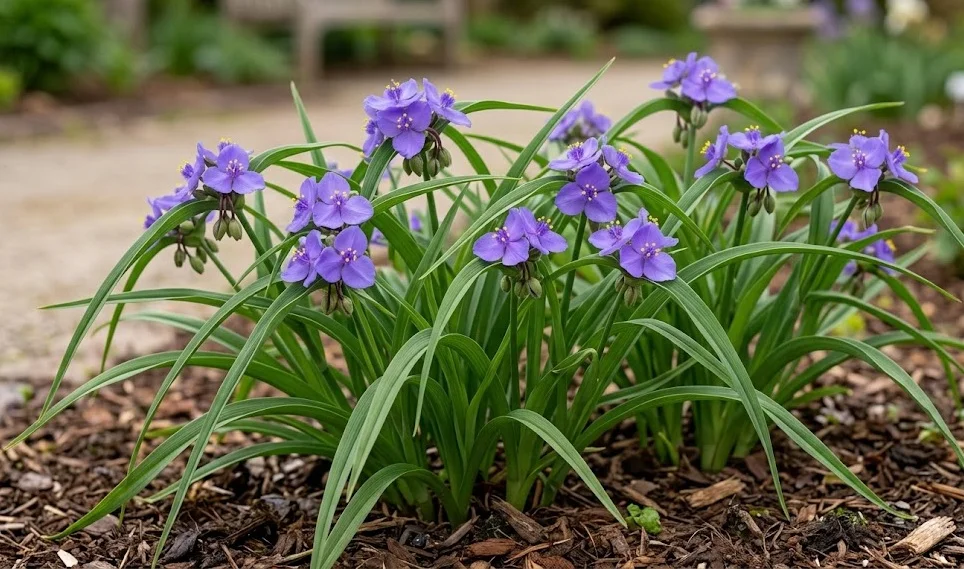

Garden spiderwort is a versatile and resilient perennial that adds a unique texture to any temperate garden landscape. It features arching, grass-like foliage and charming three-petaled flowers that open in the morning and close by the afternoon. This plant is particularly valued for its ability to thrive in moist conditions where other species might struggle with root rot. Achieving a lush display requires a fundamental understanding of its growth habits and environmental preferences throughout the growing season.
The general maintenance of this perennial involves monitoring its growth rate and ensuring the surrounding environment remains stable. Unlike many delicate flowers, this species can handle a bit of neglect, but it truly shines when given consistent attention. You should regularly check the foliage for any signs of drying or discoloration, as these are often the first indicators of environmental stress. Maintaining a clean area around the base of the plant will also help prevent the accumulation of debris that might harbor unwanted moisture or pests.
Understanding the soil composition is the next critical step in ensuring the long-term health of your garden spiderwort. These plants prefer a soil that is rich in organic matter and capable of retaining moisture without becoming waterlogged or stagnant. If you are dealing with heavy clay or very sandy soil, you might need to incorporate compost or peat moss to improve the texture. A slightly acidic to neutral pH level is ideal, as this allows the root system to absorb essential minerals more efficiently from the earth.
Air circulation plays a vital role in keeping the foliage healthy and free from fungal issues that can arise in humid weather. You should ensure that there is enough space between individual plants to allow the breeze to move freely through the leaves. When plants are crowded too closely together, they often develop thin, weak stems and are more susceptible to mildew. Taking the time to thin out dense patches every few years will keep the air flowing and encourage more vigorous flowering during the peak summer months.
Regular cleaning and deadheading are essential tasks for anyone looking to maintain an aesthetically pleasing garden border. As the flowers fade, they often turn into a jelly-like substance, which can be messy if not managed properly. By removing these spent blooms, you not only improve the appearance of the plant but also prevent it from expending energy on seed production. This redirected energy often results in a second flush of greenery that looks much fresher than neglected specimens.
Managing seasonal transitions requires a shift in how you approach the daily care of your garden spiderwort. During the peak of summer, the heat can cause the plant to look somewhat tired and bedraggled if it is not protected. Providing a bit of extra mulch around the base can help keep the roots cool and conserve the precious moisture within the soil. As the temperatures begin to drop in autumn, the plant will naturally start to slow its growth, signaling that it is time to reduce active maintenance.
Creating a harmonious environment also involves choosing the right companion plants that share similar cultural requirements. Hostas and ferns make excellent partners because they all enjoy the same damp, partially shaded conditions that spiderwort thrives in. This combination creates a lush, woodland-style aesthetic that remains attractive even when the primary flowers have finished their display. By grouping plants with similar needs, you make the overall management of the garden much more efficient and successful.
Long-term success with this species is ultimately about observation and reacting to the specific microclimate of your outdoor space. Every garden has unique characteristics, such as wind patterns or varying levels of humidity, that will influence how the plant grows. If you notice the stems are becoming too leggy, it might be a sign that the plant is searching for more light or requires a bit of structural support. With a proactive approach, you can ensure that these hardy perennials remain a focal point of your landscape for many years to come.