
Protecting your garden from the various threats of pests and diseases is an ongoing challenge that requires a proactive and informed approach. You must understand that even the most well-cared-for plants can occasionally fall victim to environmental pathogens or hungry insects. Identifying these issues early is the key to preventing a minor problem from turning into a total garden disaster. This comprehensive guide will help you recognize, treat, and prevent the most common threats to your beautiful floral displays.
A healthy plant is the first and best defense against any external threat that might try to take hold in your garden. When plants are stressed by poor watering habits or lack of light, their natural immune systems become significantly weakened. You should prioritize general plant health as your primary method of pest and disease management throughout the year. Professional gardening involves creating an environment where the plants are robust enough to resist most common issues naturally.
Regular inspections are a non-negotiable part of a professional maintenance routine for any serious horticulturalist or hobbyist. You should make a habit of looking under the leaves and checking the base of the stems where many pests like to hide. Small spots, unusual discolorations, or tiny holes in the foliage are early warning signs that should never be ignored. Catching an infestation in its earliest stages makes treatment much simpler and far more effective for the long-term.
Sanitation is another critical pillar of disease prevention that many casual gardeners often overlook in their daily work. You should always clean your pruning tools with alcohol between uses to avoid spreading pathogens from one plant to another. Removing fallen leaves and spent flowers from the garden floor reduces the places where diseases can overwinter and return in the spring. A tidy garden is a healthy garden, and professional standards of cleanliness are essential for long-term success.
Managing common fungal infections
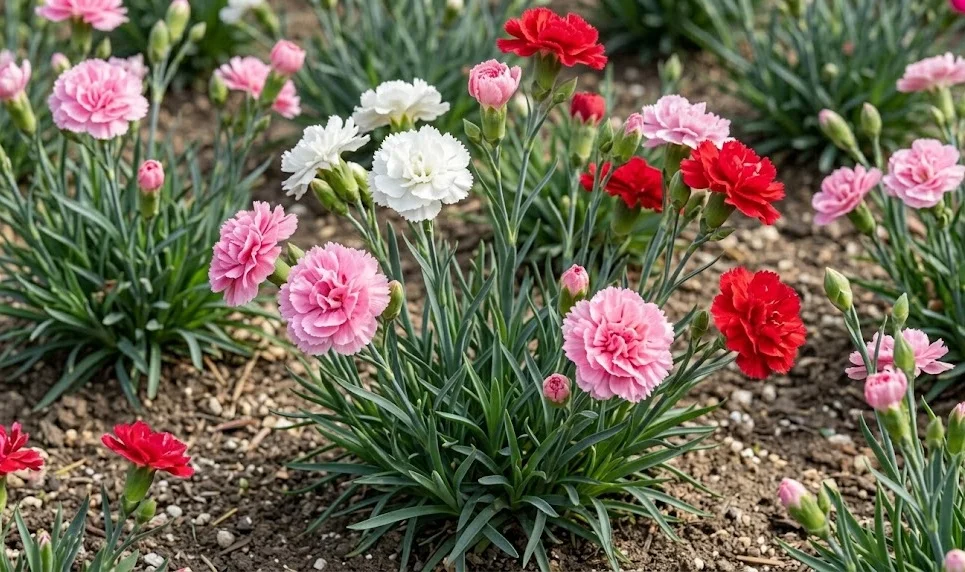
Rust is one of the most recognizable fungal diseases that can affect the foliage of your garden carnations. It appears as small, reddish-orange pustules on the undersides of the leaves, which can eventually lead to wilting and death. You should improve the air circulation around your plants and avoid getting the leaves wet during your watering routine to prevent this issue. If you find infected leaves, remove them immediately and dispose of them in the trash, never in your compost pile.
More articles on this topic
Fusarium wilt is a more serious soil-borne fungus that attacks the vascular system of the plant, cutting off its water supply. You may notice one side of the plant turning yellow and wilting even when the soil is perfectly moist to the touch. Unfortunately, there is no cure for this disease, so infected plants must be removed and destroyed to protect the rest of the garden. Rotating your planting locations every few years can help prevent the buildup of this fungus in the soil.
Powdery mildew looks like a light dusting of white flour on the surface of the leaves and can stunt the growth of the plant. This fungus thrives in environments where the days are warm and the nights are cool and humid, creating the perfect conditions for growth. You can treat minor cases with a simple spray made from water and a small amount of horticultural oil or neem oil. Keeping the foliage as dry as possible is the best way to keep this unsightly and damaging disease at bay.
Botrytis blight, also known as gray mold, often targets the flowers and buds during periods of cool, wet weather. You will see a fuzzy gray growth covering the affected tissues, which quickly turn brown and rot away completely. Removing any spent blooms and ensuring that your plants are not overcrowded will help reduce the humidity that allows this fungus to flourish. Professional growers often use preventive treatments if they know a long period of rainy weather is in the forecast.
Identifying and treating common pests
Aphids are small, soft-bodied insects that cluster on the new growth and suck the sap from the delicate stems. They can cause the leaves to curl and become distorted, and they often leave behind a sticky substance called honeydew. You can usually manage small numbers of aphids by simply washing them off the plant with a strong stream of water from the hose. For larger infestations, using an insecticidal soap is a safe and effective professional method for controlling these common garden pests.
More articles on this topic
Spider mites are nearly invisible to the naked eye but can cause significant damage by feeding on the undersides of the leaves. You might notice fine webbing between the stems or a stippled, yellow appearance on the foliage of your plants. These pests thrive in hot, dry conditions, so keeping the humidity levels up can sometimes help discourage their rapid reproduction. Using a specialized miticide or neem oil is often necessary to get a serious spider mite problem under control.
Thrips are tiny, slender insects that feed on the developing flower buds, causing them to look scarred or fail to open. You might see silver-colored streaks on the petals or leaves where the thrips have been feeding on the plant tissues. Because they hide deep inside the flowers, they can be quite difficult to treat with standard surface-level sprays. Blue sticky traps can help you monitor their presence and reduce the adult population in your garden beds.
Slugs and snails can be a major problem for young plants, especially during the damp and cool nights of spring and autumn. They can devour entire seedlings overnight or leave large, ragged holes in the leaves of established garden specimens. You can use barriers like copper tape or crushed eggshells to protect your most valuable plants from these hungry pests. Beer traps are another classic professional technique for managing slug populations without using harsh chemical poisons in the garden.
Advanced bacterial and viral threats
Bacterial leaf spot manifests as small, water-soaked lesions that eventually turn brown with a yellow halo around the edges. This disease spreads quickly through splashing water and can cause significant defoliation if it is not addressed immediately. You should remove any affected leaves as soon as you see them and avoid working in the garden when the plants are wet. Improving the spacing between your plants is the best long-term strategy for reducing the spread of bacterial infections.
Viruses are some of the most difficult problems to manage because there are no effective chemical treatments available for them in the garden. You might notice strange mottled patterns on the leaves, stunted growth, or flowers that are strangely shaped or discolored. Viruses are often spread by sap-sucking insects like aphids or by using contaminated tools during your pruning routine. The only professional solution for a viral infection is to remove the entire plant to prevent the virus from spreading further.
Crown gall is a bacterial disease that causes large, woody swellings to form at the base of the stem or on the roots. These galls interfere with the plant’s ability to move water and nutrients, leading to a slow and steady decline in health. The bacteria can live in the soil for many years, so you should avoid planting in the same spot if you have a confirmed case. Choosing disease-resistant varieties is one of the most effective ways to avoid this frustrating and persistent garden problem.
Maintaining a clean and organized garden workspace is your best defense against the invisible threats of bacteria and viruses. You should always wash your hands after handling a suspicious plant to avoid carrying pathogens to healthy parts of the garden. Disinfecting your shoes after visiting other gardens can also prevent the accidental introduction of soil-borne diseases to your home. These small professional habits add up to a significant increase in the overall safety and health of your floral collection.
Natural and chemical control strategies
Integrated Pest Management (IPM) is a professional philosophy that prioritizes the least toxic methods of control first in any situation. You should start by encouraging natural predators like ladybugs, hoverflies, and lacewings to take up residence in your garden. Providing a diverse habitat with plenty of different plants helps to create a balanced ecosystem where pests are managed naturally. Only when these biological controls fail should you consider moving up to more intensive chemical interventions in the garden.
Neem oil is a versatile and relatively safe tool that acts as both a fungicide and an insecticide for many common issues. It works by disrupting the life cycle of pests and creating a barrier on the leaf surface that discourages fungal spores. You should apply it in the late evening to avoid harming beneficial insects that are active during the warm daylight hours. Professional results with neem oil require consistent application every few weeks until the problem is completely resolved.
When you must use synthetic chemicals, always choose a product that is specifically labeled for the problem you are trying to solve. You must read and follow the application instructions exactly to ensure your safety and the health of the surrounding environment. Avoid broad-spectrum insecticides that kill everything, as this can lead to even bigger pest problems later in the season. Targeted professional treatments are more effective and less damaging to the delicate balance of your home garden ecosystem.
Home remedies like baking soda sprays or milk-based fungicides can sometimes be effective for managing minor outbreaks of mildew or spots. However, these methods are often less reliable than professional-grade products and may need to be reapplied very frequently after any rain. You should test any home-made solution on a small part of the plant first to make sure it doesn’t cause a bad reaction. Combining traditional wisdom with modern science is a great way to find the best approach for your specific garden.
Preventive measures for long-term health
Selecting the right plant for the right place is the most fundamental preventive measure you can take as a professional gardener. You should research the specific needs of each variety and ensure that your garden site can meet those requirements perfectly. Plants that are happy in their environment are far less likely to suffer from pests and diseases than those that are struggling. Prevention starts with good design and informed choices before the first shovel even hits the ground in the spring.
Soil health is the foundation of plant resilience and should be your primary focus during the off-season months of the year. Adding organic matter and maintaining a healthy population of soil microbes helps the plants build strong internal defense systems. You should avoid the over-use of synthetic fertilizers, which can lead to soft, weak growth that is highly attractive to pests. Professional soil management is a long-term investment that pays off in the form of a healthy and vibrant garden.
Crop rotation and strategic spacing are simple but powerful tools for breaking the life cycles of many common pests and diseases. By moving your plants to a new location every few years, you prevent soil-borne pathogens from becoming established in one spot. Giving each plant plenty of room for air movement reduces the humidity levels that encourage the growth of mold and mildew. These basic horticultural practices are the hallmarks of an expert who understands the complex dynamics of the garden.
The final step in a professional prevention strategy is to stay informed about local pest and disease trends in your specific region. Many agricultural extensions offer alerts when a particular problem is spreading through the community, allowing you to take action early. Sharing information with other local gardeners can also provide valuable insights into what works best for the specific challenges of your area. Constant learning and vigilance are the keys to maintaining a beautiful and disease-free garden for many years to come.