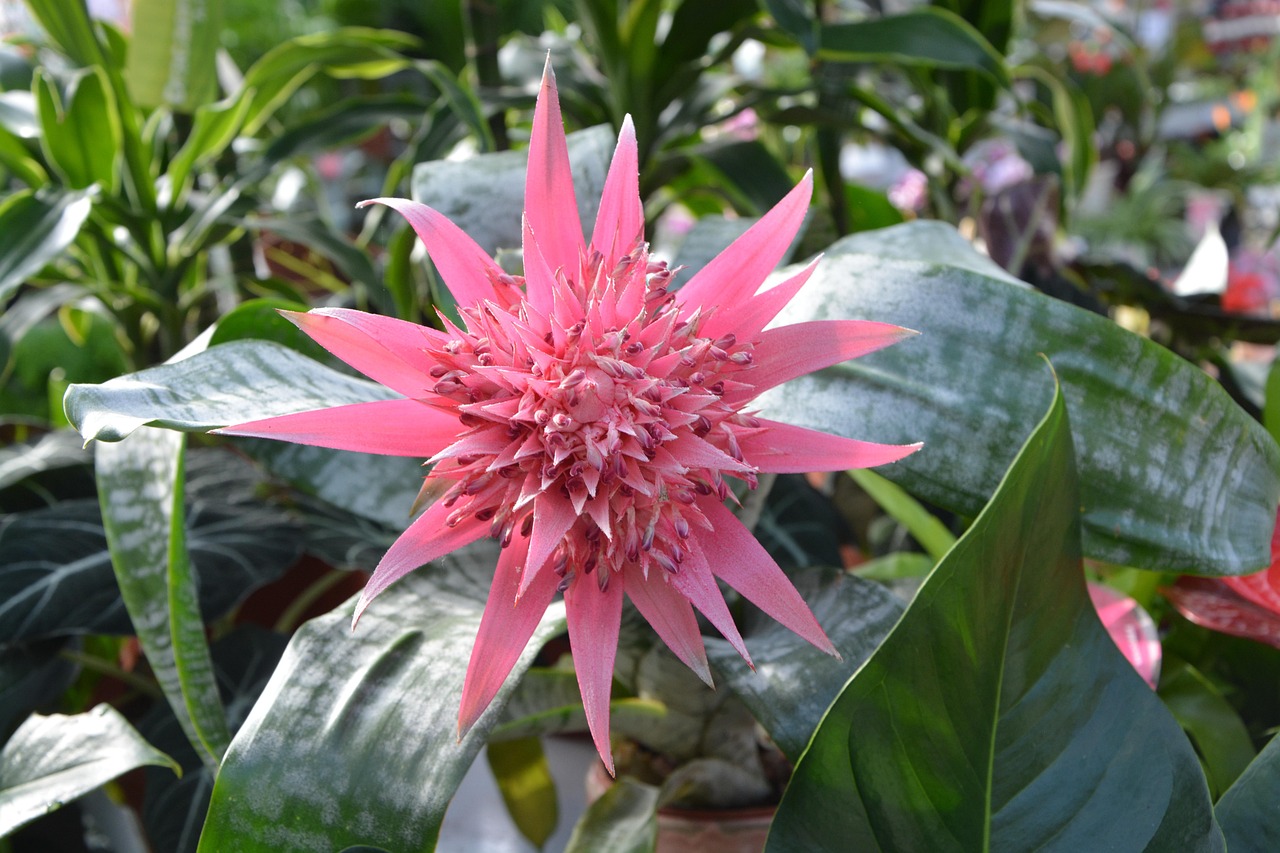

Pruning a silver vase plant is a straightforward process that focuses more on aesthetic maintenance and hygiene than on shaping the growth of the plant. Unlike woody shrubs, this bromeliad grows from a central point, meaning you should never cut into the heart of the rosette. Proper trimming helps the plant direct its energy toward new growth and the production of offspring after the main bloom has faded. Mastering these simple techniques will keep your specimen looking professional and healthy throughout its entire life cycle.
The most common reason for pruning is the removal of the spent flower spike once its vibrant pink color has turned to brown. This large inflorescence can stay attractive for many months, but eventually, it will dry out and become unsightly. Using a pair of sharp, sterilized garden shears, cut the flower stalk as deep into the central urn as possible without damaging the surrounding leaves. This prevents the decaying organic matter from contaminating the water in the reservoir and attracting pests.
Removing old or damaged leaves is another essential task for maintaining the health of your silver vase plant. Over time, the lower leaves may turn yellow or brown as part of the natural aging process of the plant. You can remove these by cutting them close to the base or by gently pulling them away if they are already loose. Keeping the base of the plant clean reduces the hiding spots for mealybugs and allows for better air circulation around the potting medium.
If you encounter leaf tip burn due to low humidity or mineral buildup, you can perform a “cosmetic” trim to restore the leaf’s appearance. Use a clean pair of scissors to cut away only the dead, brown tissue, following the natural pointed shape of the leaf tip. While this doesn’t fix the underlying environmental issue, it keeps the plant looking tidy while you adjust your care routine. Always ensure your tools are sterilized with rubbing alcohol before and after use to prevent the spread of any pathogens.
Managing the post bloom transition
Once the main flower has been removed, the silver vase plant will begin to produce offsets, or pups, around its base. Pruning at this stage involves making room for these young plants to grow and receive adequate light and air. You may need to trim back some of the mother plant’s older, arching leaves if they are crowding or shading the emerging pups. This transition is a natural part of the bromeliad life cycle and signals the start of the next generation.
More articles on this topic
Do not be tempted to cut back the mother plant too aggressively even as she begins to decline after flowering. The mother plant continues to provide essential nutrients and energy to her offspring through her remaining green leaves. Only remove leaves from the parent plant when they are completely dead or if they are severely interfering with the pups’ development. This patient approach ensures that the new plantlets have the strongest possible start in life.
If you decide to leave the pups attached to create a multi-headed specimen, pruning becomes a matter of maintaining balance. You may need to remove the entire mother plant once she has fully shriveled to give the new rosettes space to expand. Carefully cut away the dead tissue of the parent plant using a sharp knife, being extremely careful not to nick the stems of the young pups. This process can be delicate, so take your time and ensure you have a clear view of your work area.
Hygiene is particularly important during the post-bloom period when the plant may be slightly more vulnerable to stress. Any cuts you make should be clean and smooth, as ragged edges can provide an entry point for bacteria or fungi. If a cut area looks particularly moist, you can dab it with a little bit of cinnamon powder, which acts as a natural antifungal agent. Maintaining a clean and well-pruned plant is the best way to ensure the long-term success of your bromeliad collection.
Tool maintenance and safety for growers
The tools you use for pruning your silver vase plant should be high-quality and kept in excellent condition. Dull blades can crush the plant’s vascular tissues instead of cutting them, leading to slower healing and increased risk of disease. Invest in a good pair of bypass pruners or specialized floral snips for the most precise results on your tropical plants. Regularly sharpening your tools will make the job easier for you and better for the health of your greenery.
More articles on this topic
Sterilization is a non-negotiable step in the pruning process, especially if you are working on multiple plants in your collection. Pathogens like viruses and fungi can easily be transported on the blades of your shears from one plant to another. A quick wipe with a cloth soaked in 70 percent isopropyl alcohol is usually enough to disinfect your tools between uses. This simple habit is one of the most effective ways to maintain a professional-level horticultural environment in your home.
Safety for the grower is also a consideration, as the edges of silver vase plant leaves can be surprisingly sharp or even serrated. You might want to wear a pair of light gardening gloves to protect your hands from scratches while reaching into the base of the plant. Some people also find that the silver scales on the leaves can be slightly irritating to sensitive skin if handled extensively. Taking these small precautions allows you to enjoy the maintenance process without any physical discomfort.
After you finish pruning, take a moment to inspect the entire plant one last time for any missed issues or hidden pests. Clean up any fallen leaves or trimmings from the top of the potting medium to keep the area tidy and discourage mold growth. A final misting with fresh water can help settle the plant after the stress of being handled and trimmed. With regular, gentle attention, your silver vase plant will continue to be a stunning centerpiece in your indoor agricultural display.