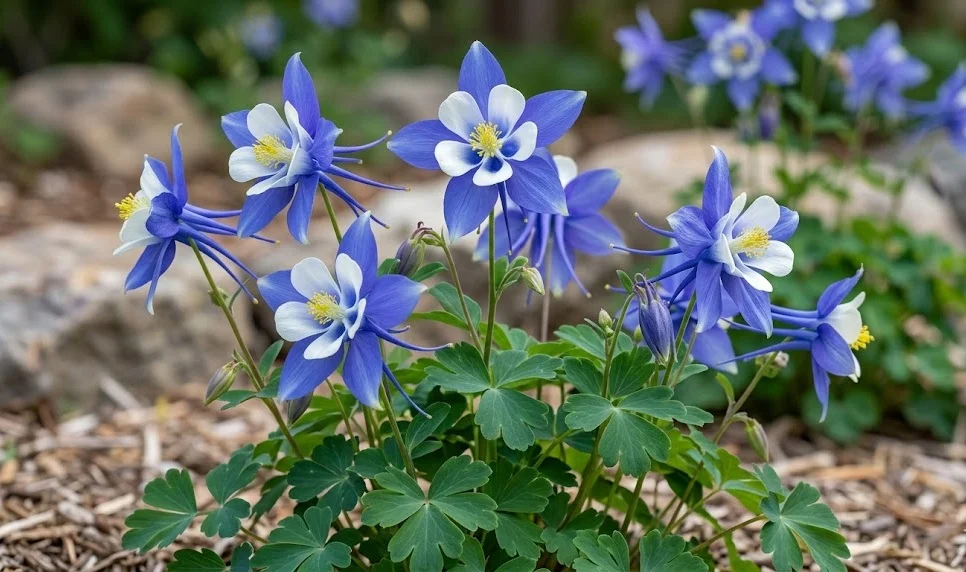

Starting your journey with these iconic wildflowers begins with understanding the specific methods required for successful establishment. Whether you are sowing seeds for the first time or trying to expand an existing collection, the process demands patience and precision. These plants have unique biological characteristics that influence how they interact with the soil and the surrounding environment from the very beginning. Mastering the art of planting ensures that your garden will be filled with these dancing blooms for many seasons.
Sowing seeds for future success
Sowing the seeds of these perennials is a rewarding process that requires a bit of planning to achieve the best results. You should ideally start the seeds in the late summer or early autumn to mimic their natural reproductive cycle in the wild. If you choose to start them indoors, a period of cold stratification is usually necessary to break their natural dormancy. This involves placing the seeds in a moist medium in the refrigerator for several weeks before planting them in a warm location.
The depth at which you sow the seeds is a critical factor that can determine whether they germinate successfully. You should barely cover the seeds with a fine layer of soil, as they often require some light to trigger the growth process. Pressing the seeds gently into the surface of the moist compost ensures good contact without burying them too deeply. Keeping the soil consistently moist but not soggy is essential during the two to four weeks it typically takes for sprouts to appear.
Using a high-quality seed-starting mix will provide the young seedlings with the right environment to develop strong root systems. You should avoid using heavy garden soil in trays, as it can harbor pathogens and lack the necessary aeration for delicate new roots. Providing a bright location without direct, scorching sunlight will help the young plants grow steadily without becoming leggy. Once the seedlings have developed their second set of true leaves, they are ready to be moved to larger containers.
Hardening off the young plants is a vital step before they are permanently moved into the outdoor garden environment. You should gradually expose the seedlings to outdoor conditions over a period of one to two weeks to prevent transplant shock. Start by placing them in a sheltered spot for a few hours a day and slowly increase their time in the sun and wind. This process strengthens the plant’s cell walls and prepares it for the realities of life in the open ground.
More articles on this topic
Site selection and soil preparation
Choosing the right location in your garden is the most important decision you will make for your new plants. You should look for a spot that offers a balance of sunlight and protection, ideally with dappled shade during the hottest part of the day. The soil should be rich in organic matter and have a structure that allows water to drain away quickly from the root zone. Avoid areas where water tends to pool after a heavy rain, as this can lead to root problems.
Preparing the ground before planting involves more than just digging a hole; it requires improving the overall soil quality. You can work in well-rotted compost or leaf mold to a depth of about twenty centimeters to create a fertile base. This organic matter improves the soil’s ability to hold moisture while also providing a slow-release source of essential nutrients. A well-prepared bed gives the young plants the best possible start and reduces the need for intensive care later.
The spacing between individual plants is a factor that will influence their health and appearance as they mature. You should aim for a distance of about thirty to forty centimeters between each plant to allow for adequate air circulation. This space prevents the foliage from becoming too crowded, which can lead to increased humidity and potential fungal issues. Giving each plant enough room to expand also ensures that they don’t have to compete too heavily for water and nutrients.
Testing the soil pH can provide valuable information about whether the site is suitable for these specific perennials. They generally prefer a neutral to slightly acidic environment, which is typical of many woodland and mountain soils. If your soil is extremely alkaline, you may need to add amendments to lower the pH and make nutrients more available. Taking the time to understand your soil’s chemistry will help you create a more hospitable home for your new arrivals.
More articles on this topic
Division and transplanting techniques
While these plants have a deep taproot that makes them difficult to move, division is still possible if done with extreme care. You should only attempt to divide established clumps that have become too large or are showing signs of declining vigor in the center. The best time for this operation is in the early spring just as the new growth begins to emerge from the crown. Using a sharp spade, carefully lift the entire root ball and split it into smaller sections with a clean knife.
Each new division must have a healthy portion of the root system and several active growing points or “eyes.” You should replant these sections immediately to prevent the delicate roots from drying out in the air. Dig a hole that is large enough to accommodate the roots without bending or crowding them into a small space. Firm the soil gently around the base of the new plant and water it thoroughly to help settle the earth and remove air pockets.
Transplanting seedlings from one part of the garden to another requires a gentle touch and careful timing. You should try to move the plants on a cloudy day or in the late afternoon to reduce the amount of water lost through the leaves. Digging a wide circle around the seedling will help preserve as much of the root system and surrounding soil as possible. Minimize the time the plant spends out of the ground to ensure it can re-establish itself quickly in its new location.
After transplanting or dividing, the plants will need extra attention for several weeks as they recover from the process. You must keep the soil consistently moist to support the damaged roots while they grow into the surrounding earth. Providing a temporary shade cover can also help reduce stress if the weather becomes unexpectedly hot or windy. With the right aftercare, most divisions will recover quickly and may even produce flowers in their first season in a new spot.
Long-term propagation strategies
Allowing your plants to self-seed is the most natural and least labor-intensive way to propagate them in a garden setting. You should leave the spent flower heads on the stalks until the seed pods have dried and turned brown. Once the pods begin to crack open, they will spill hundreds of tiny black seeds onto the soil surface below. This method often results in a more naturalistic planting scheme as the new plants find the best spots to grow on their own.
Collecting and storing seeds yourself gives you more control over where the new plants will eventually be placed. You should harvest the pods just as they begin to open and store them in a cool, dry place in paper envelopes. Labeling the envelopes with the harvest date and the specific variety will help you keep track of your collection for future use. These seeds can be kept for several years, although their germination rate will gradually decline over time.
Experimenting with different sowing times can help you find the best schedule for your specific local climate and conditions. Some gardeners find that winter sowing in protected containers yields the strongest and most resilient young plants. Others prefer the simplicity of direct sowing in the garden and letting nature take its course throughout the seasons. Keeping notes on your successes and failures will help you refine your propagation techniques year after year.
Developing a nursery area in a quiet corner of your garden can be a great way to grow young plants until they are large enough for the main borders. This allows you to provide more intensive care, such as regular watering and protection from pests, during their most vulnerable stage. Having a steady supply of young plants means you can easily replace older ones as they reach the end of their natural life. It also provides you with plenty of extra plants to share with friends and neighbors who appreciate beautiful flowers.