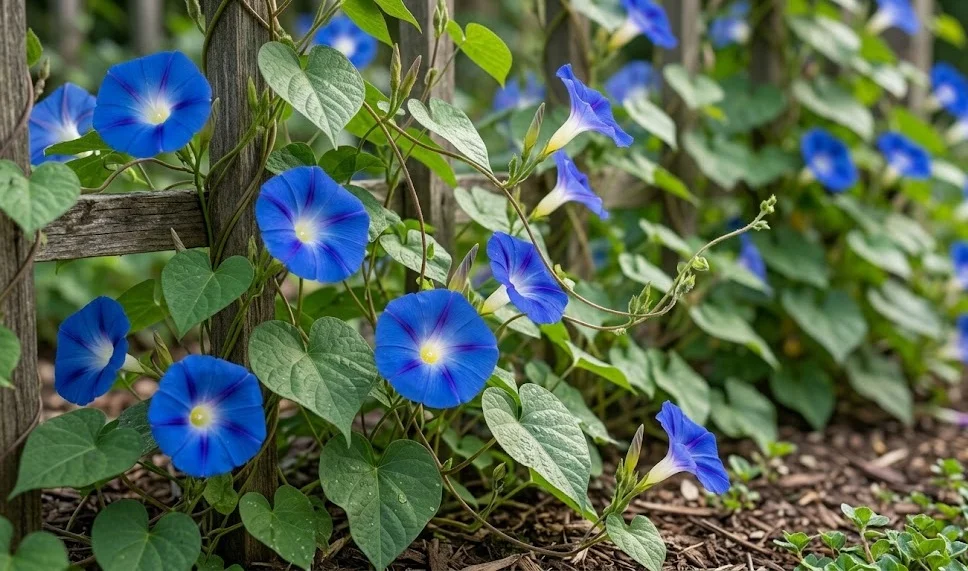

Managing the life cycle of the blue morning glory as the seasons shift toward winter is a unique challenge for many gardeners in temperate regions. While this plant is primarily grown as an annual, there are several strategies for preserving its genetics or even attempting to keep the vine alive through the cold months. Understanding the plant’s inherent lack of frost tolerance is the most important factor in deciding how to handle the transition into autumn. For those who wish to see their azure blooms again the following year, a clear plan for the end of the season is essential.
In its native tropical environment, the blue morning glory can behave as a perennial, continuing to grow and flower for several years. In cooler climates, however, the first true frost will quickly turn the lush green vines into a mass of brown, brittle material. The decision to either let the plant complete its natural cycle or to try and intervene depends on the gardener’s goals and available resources. Both approaches have their own set of rewards and require different levels of effort during the late summer and early autumn.
Collecting and storing seeds is the most traditional and reliable method for ensuring the return of the blue morning glory to your garden. This process allows the plant to die back naturally while its offspring are safely preserved in a dormant state through the winter. It is a highly effective way to adapt the plant to your specific local conditions over several generations of selection and replanting. For many people, this seasonal rhythm of sowing, growing, and harvesting is one of the most satisfying aspects of gardening with annual climbers.
For the more adventurous gardener, attempting to overwinter a living plant indoors or in a greenhouse is a possibility, though it requires careful management. This involves significant changes to the plant’s care routine and a willingness to provide the light and temperature conditions it needs to survive. While not always successful, keeping a favorite specimen alive through the winter can provide a much larger and more vigorous plant for the following spring. Regardless of the method chosen, the transition must be handled with care to ensure the best possible outcome for the plant.
Preparing for the first frost
As the days begin to shorten and the night temperatures start to drop, it is time to start making decisions about your blue morning glory’s future. If your goal is to collect seeds, stop removing the spent flowers in late summer to allow the seed pods to develop and ripen. These pods will turn from green to a papery brown as they mature, signaling that they are ready to be harvested before the first frost hits. Monitoring the weather forecast becomes a daily ritual during this time to ensure you don’t lose your crop to a sudden freeze.
More articles on this topic
For those planning to move a container-grown vine indoors, the process of transition should begin well before the actual frost arrives. Suddenly moving a plant from a cool outdoor environment to a warm, dry house can cause extreme stress and massive leaf drop. Start by bringing the plant inside for just a few hours a day, gradually increasing the time over a week or two to allow it to acclimate. This is also the best time to thoroughly inspect the plant for any pests that you definitely don’t want to bring into your home.
If you are leaving your plants in the ground to die back, you can still take steps to ensure a tidy garden and a healthy start for next year. Once the frost has killed the foliage, the dead vines should be removed and either composted or disposed of depending on their health. This clears the space and prevents the overwintering of pests or diseases that might hide in the dried material. Some gardeners also like to mark the spot where the vines grew, especially if they are hoping for “volunteer” seedlings to appear in the spring.
Finally, consider the soil health as part of your autumn preparation routine for the next growing season. Adding a layer of organic mulch or a light application of compost over the planting area can help protect the soil structure through the winter. This “putting the garden to bed” process ensures that the nutrients are replenished and the ground is ready for whatever you choose to plant next. Taking the time to properly close out the season is just as important as the initial planting for long-term garden success.
Managing indoor transitions
Bringing a blue morning glory indoors for the winter requires a commitment to providing a suitable microclimate within your living space. The biggest challenge is often the lack of light, as even the brightest window in winter is much dimmer than a sunny spot in the garden. Supplementing with specialized grow lights can make a huge difference in the plant’s ability to maintain its foliage and overall health. Aim for at least twelve to fourteen hours of bright light each day to mimic the plant’s natural tropical environment as much as possible.
More articles on this topic
Humidity levels inside most homes during the winter are incredibly low due to heating systems, which can be very hard on a tropical vine. Using a humidifier or placing the plant on a tray filled with pebbles and water can help to create a more favorable atmosphere. Regular misting of the leaves can also provide some relief, but be careful not to keep the foliage constantly wet, which can lead to indoor fungal issues. The goal is to prevent the leaves from drying out and turning brown at the edges while still maintaining good air circulation.
Watering routines must be significantly adjusted once the plant is moved indoors and its growth rate slows down. With less light and lower temperatures, the vine will process water much more slowly than it did in the heat of summer. It is crucial to allow the top few centimeters of soil to dry out between waterings to prevent root rot in the cooler indoor environment. Over-watering is the most common cause of death for overwintering plants, so a conservative approach is always better during the dormant months.
Fertilization should be stopped entirely or reduced to a very weak solution every month or two during the winter. Pushing for growth when the light levels are low will only result in weak, spindly stems that are more susceptible to pests and disease. Allow the plant to enter a semi-dormant state where it simply maintains its existing structure until the days begin to lengthen again in the spring. This period of rest is a natural part of the plant’s cycle and should be respected by the gardener for the best long-term results.
Winter maintenance routines
During the long months of winter, the primary task for the gardener is to monitor the plant’s health and maintain a stable environment. Regularly checking for pests like spider mites or scale, which thrive in the warm, dry conditions of a heated home, is essential. These insects can multiply quickly in the absence of their natural predators, so early intervention with insecticidal soap or neem oil is vital. A weekly inspection of both the upper and lower surfaces of the leaves will help you catch any problems before they become a major infestation.
Pruning can be used to keep the vine at a manageable size and to remove any leaves that have yellowed or dried out during the transition. Don’t be afraid to cut back the longer stems if they are becoming too unruly for your indoor space; the blue morning glory is a vigorous grower and will quickly bounce back in the spring. Removing dead or dying material also improves air circulation and reduces the places where pests can hide. Use clean, sharp shears for all pruning tasks to ensure that the cuts heal quickly and cleanly.
Temperature fluctuations should be kept to a minimum to avoid stressing the plant and causing unnecessary leaf drop. Keep the vine away from cold drafts from windows or doors, as well as direct heat from radiators or vents. A consistent temperature between eighteen and twenty-four degrees Celsius is generally ideal for maintaining a tropical plant during the winter months. If the room becomes significantly colder at night, you may need to move the plant to a more protected location or provide some extra insulation around the pot.
As the winter progresses, you may notice that the plant begins to look a bit tired or less vibrant than it did in the garden. This is a normal response to the challenging indoor conditions and should not be a cause for alarm as long as there are no signs of major disease. Stay patient and continue with your consistent but minimal care routine, knowing that the plant is simply waiting for the return of the sun. The anticipation of seeing those first new shoots of spring growth is one of the joys of the overwintering process.
Returning to the garden
The return of the blue morning glory to the garden in the spring is a process that must be handled with just as much care as the move indoors. As the days lengthen and the light intensity increases, you should see the plant begin to produce new, vigorous growth. This is the signal to slowly increase your watering and begin a light fertilization routine to support the coming expansion. However, do not be tempted to move the plant outside until the night temperatures are consistently warm and all danger of frost has passed.
Hardening off is a critical step that should never be skipped when moving a plant from the indoors back to the outdoor environment. Start by placing the vine in a sheltered, shady spot for just an hour or two on a mild day, then gradually increase the exposure to sun and wind over the next ten to fourteen days. This allows the plant to build up its protective layers and adapt to the much more intense UV rays of the sun. Skipping this process often results in severe sunscald that can set the plant’s progress back by several weeks or even kill it.
Once the plant is fully acclimated, it can be returned to its permanent spot in the garden or moved to a larger outdoor container. This is an excellent time to refresh the soil with some new compost and to check that your support structures are ready for another season of growth. If the plant has become root-bound in its winter pot, gently loosen the outer roots before planting it into the ground or a larger vessel. A thorough watering and a layer of mulch will help it settle into its summer home and begin its rapid ascent once again.
Reflecting on the success of your overwintering efforts can provide valuable insights for the following year. Consider what worked well and what challenges you faced, and use that information to refine your approach for the next season. Whether you choose to overwinter a living plant or simply store seeds, the goal remains the same: to enjoy the incredible beauty of the blue morning glory year after year. The cycle of the garden is a continuous journey of learning and adaptation, and this azure climber is one of its most rewarding participants.