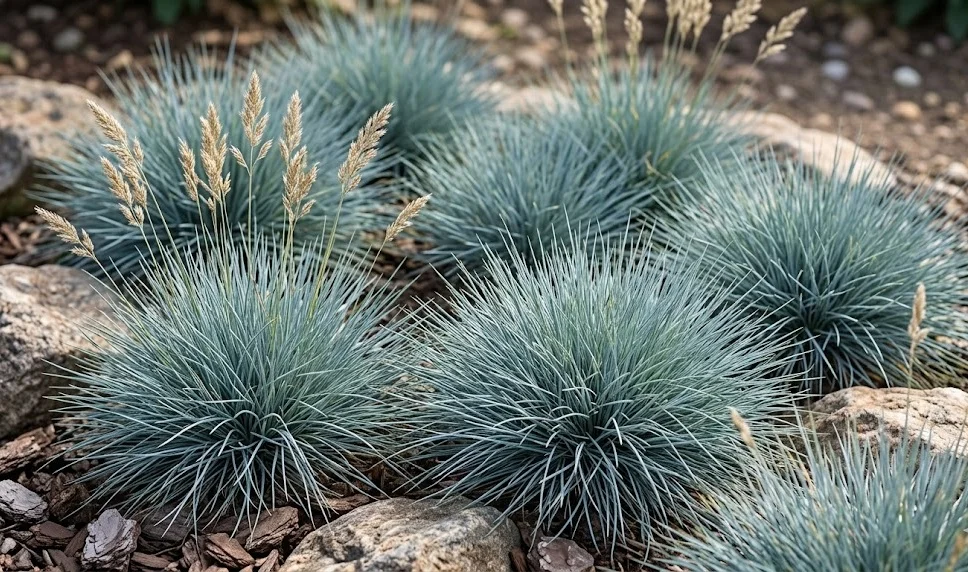

Strategic pruning is an essential maintenance task that preserves the architectural beauty and health of blue fescue. Unlike larger grasses that require heavy machinery, these compact mounds can be managed with simple hand tools and a bit of expert timing. You must approach the pruning process with a clear understanding of the plant’s growth cycle to avoid causing unnecessary stress. A professional grooming routine will keep your grasses looking sharp and vibrant from the first days of spring until the end of the year.
Why pruning is necessary for ornamental grasses
The primary reason for pruning blue fescue is to remove the old, dead foliage that naturally accumulates over time. You will find that without regular cleaning, the center of the clump can become filled with brown, dry blades that block light and air from reaching the new growth. This buildup not only looks untidy but also creates a microclimate that is highly conducive to fungal infections and rot. A professional cleaning is the most effective way to prevent these issues and keep the plant healthy.
Pruning also allows you to manage the overall size and shape of the clump, ensuring it remains a neat and tidy component of your landscape. You can remove any stray or damaged blades that detract from the symmetrical, mounded form that is so characteristic of the species. This level of detail is what makes a garden look well-maintained and professionally designed. Regular grooming ensures that the focus remains on the beautiful color and texture of the foliage.
Another important aspect of pruning is the removal of flower stalks if you prefer a purely vegetative look for your garden. While some enjoy the delicate flowers, they can often look messy as they age and go to seed, sometimes even causing the clump to split open. By cutting these stalks back to the base, you encourage the plant to put its energy back into producing the striking blue leaves. This choice depends on your specific aesthetic goals, but many professionals prefer the cleaner look of the foliage alone.
Finally, pruning provides a great opportunity to inspect the overall health of the plant up close. As you work your way through the clump, you should look for any signs of pests, diseases, or environmental stress that might be hidden by the dense foliage. Catching these problems early allows you to take corrective action before they become major issues. A professional grooming session is as much about observation and diagnosis as it is about physical maintenance.
More articles on this topic
The best timing for a professional trim
The most important pruning session for blue fescue should take place in the early spring, just as the new growth begins to appear. You must wait until the worst of the winter weather has passed to avoid exposing the tender crown to late-season freezes. This timing allows the plant to quickly cover the pruned area with fresh, vibrant blades, minimizing the time it looks “shorn.” An expert knows that timing is everything when it comes to the recovery and vigor of the grass.
You should avoid the temptation to cut the grass back too early in the winter or late in the autumn. The old foliage provides a natural layer of protection for the crown during the coldest months, helping to insulate it against the elements. If you remove this protection too soon, you risk damaging the heart of the plant and slowing its spring recovery. A professional approach involves a bit of patience and waiting for the right environmental cues.
In addition to the main spring cleaning, you may find that a light “haircut” in mid-summer helps refresh the plant’s appearance. This is especially true if the grass has produced a lot of flower stalks or if the tips of the leaves have become scorched by the heat. You should only remove the top few inches of growth to tidy things up without stressing the plant during the hottest part of the year. This minor intervention can make a big difference in the garden’s overall aesthetic during the summer months.
Always use clean, sharp tools when pruning to ensure clean cuts that heal quickly and don’t invite disease. You should disinfect your shears before moving between different plants to prevent the accidental spread of any pathogens. This simple professional habit is often overlooked but is essential for maintaining the highest standards of garden hygiene. By taking a careful and systematic approach to timing and technique, you ensure the long-term success of your landscape.
More articles on this topic
Techniques for a neat and natural look
When it is time for the annual spring cleaning, the most effective technique is to gently comb through the clump with your fingers or a small hand rake. You must be careful not to pull too hard, as you only want to remove the dead, brown blades that are ready to come out. This method preserves the structural integrity of the plant and allows you to see exactly where the new growth is emerging. It is a more precise and gentle approach than simply shearing the entire plant.
If the clump has become very congested or has a lot of dead material, you can use shears to cut the foliage back to a few inches above the ground. You should aim for a rounded shape that mimics the natural growth habit of the grass, rather than a flat, artificial cut. This “hard” pruning should only be done every few years or when the plant truly needs a total rejuvenation. Most of the time, a lighter touch is all that is required for a professional result.
Removing flower stalks should be done by cutting them as close to the base of the plant as possible without damaging the surrounding foliage. You should avoid leaving “stubs” behind, as these will turn brown and become an eyesore in the middle of the blue mound. Taking the time to do this carefully ensures that the remaining foliage looks seamless and undisturbed. This level of craftsmanship is what separates a professional job from a rushed one.
After you have finished pruning, you should clear away all the clippings and debris from the base of the plant and the surrounding soil. This final step is essential for maintaining good airflow and preventing the buildup of moisture that can lead to rot. A professional finish always includes this attention to cleanliness and detail. Your blue fescue will reward your efforts with a flush of beautiful, healthy growth that stays looking its best all season long.