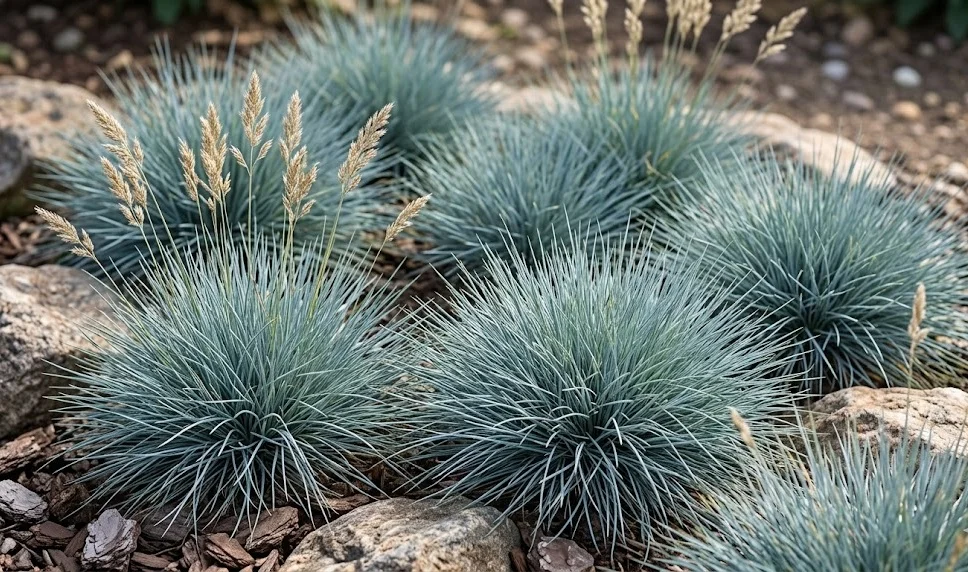

Managing the hydration and nutrient levels of blue fescue is a delicate balance that separates the amateur from the professional. Because this species is adapted to lean and dry environments, the most common mistakes involve providing too much care rather than too little. You must understand the physiological signs of the plant to know when intervention is actually necessary for its health. Developing a disciplined approach to maintenance will prevent the most common issues associated with over-saturation and nutrient toxicity.
Establishing a professional watering schedule
The primary rule for watering this ornamental grass is to allow the soil to dry out significantly between sessions. You should check the moisture level an inch or two below the surface before deciding to add more water. If the soil feels damp to the touch, it is best to wait a few more days to avoid saturating the root zone. A professional watering routine is based on the actual needs of the plant rather than a rigid calendar schedule.
During the first growing season, you will need to provide more frequent water to help the root system establish itself in the new environment. You should aim for deep, infrequent watering rather than light, daily sprinkles that only wet the surface. This encourages the roots to grow deeper into the soil in search of moisture, making the plant more resilient to future droughts. Once the plant is established, it can often go for long periods without supplemental irrigation.
In mature landscapes, you might only need to water during periods of extreme heat or prolonged dry spells. You should observe the foliage for signs of wilting or a dull appearance, which are early indicators that the plant is thirsty. However, remember that the blue color is a natural adaptation to save water, so the plant is tougher than it looks. Trusting the plant’s natural ability to manage its water resources is a key part of expert gardening.
Late afternoon or early morning is the best time to apply water if you find that it is necessary. You should avoid getting water directly on the foliage during the heat of the day, as this can cause temperature shock or lead to fungal problems. Applying water at the base of the plant ensures that the roots get the maximum benefit while the leaves stay dry. This targeted approach is both more efficient and better for the overall health of the specimen.
More articles on this topic
Soil drainage requirements and moisture management
Drainage is the single most important factor when considering the water needs of this particular grass. You must ensure that the soil environment never holds standing water, even for a short period of time. Saturated roots cannot breathe, which leads to a rapid decline in plant health and eventually causes the clump to rot from the inside out. In a professional setting, we often say that the “feet” of the plant must remain dry.
If you are working in an area with naturally heavy soil, you should consider planting the fescue on slight mounds or in raised beds. This elevation allows gravity to pull excess water away from the root zone more effectively. You can also improve the drainage by incorporating inorganic materials like perlite or fine gravel into the soil structure. These materials create permanent air spaces that help maintain a healthy rhizosphere regardless of the weather.
You should also be mindful of the surrounding landscape and how water flows across your property during a storm. Avoid planting blue fescue in low spots where runoff tends to collect or near downspouts that discharge large volumes of water. Even a perfectly healthy plant can be overwhelmed by a sudden influx of moisture that it cannot process. Planning your garden layout with water movement in mind is a hallmark of an expert designer.
Mulching can also play a role in moisture management, but it must be handled with care. As mentioned previously, stone or gravel mulches are preferred because they don’t hold water against the crown of the plant. If you use organic mulch, keep it well away from the base to allow for maximum evaporation. A professional touch involves ensuring the mulch layer is deep enough to suppress weeds but thin enough to allow the soil to breathe.
More articles on this topic
Minimal nutrient needs for optimal growth
One of the most appealing aspects of blue fescue is its ability to thrive in poor, nutrient-deficient soils. You should avoid the temptation to apply heavy doses of nitrogen-rich fertilizer, as this will often do more harm than good. Excessive nutrients cause the plant to grow too quickly, leading to soft, green leaves that are prone to flopping. Professional care involves maintaining a “lean” environment that encourages the plant’s natural, compact form.
In most cases, a light application of a balanced, slow-release fertilizer in early spring is all the plant will ever need. You should look for a product that has a modest nutrient profile and apply it at a fraction of the recommended strength. The goal is to provide just enough support for the spring growth spurt without overwhelming the plant’s natural rhythm. Many experts find that a thin layer of compost spread around the base is more than enough to sustain the grass.
If you notice the plant is looking particularly pale or stunted despite having enough sun and water, you might consider a soil test. This will help you identify if there is a specific mineral deficiency that needs to be addressed without guessing. However, more often than not, poor growth is a result of environmental stress rather than a lack of food. A professional approach focuses on solving the underlying cause of the problem before reaching for chemical supplements.
You should also avoid fertilizing in the late summer or autumn, as this can stimulate new growth that is too tender to survive the winter. The plant needs to naturally slow down and harden off as the temperatures drop to prepare for dormancy. By withholding nutrients during this time, you help the grass transition safely into the colder months. Understanding these seasonal nutritional requirements is essential for maintaining a healthy and resilient landscape.
Recognizing and responding to moisture stress
Being able to tell the difference between underwatering and overwatering is a critical skill for any serious gardener. You should look for signs of yellowing or mushy stems at the base of the clump, which usually indicate that the soil is too wet. On the other hand, leaves that turn brown and brittle starting from the tips are often a sign that the plant is suffering from a lack of water. Developing an eye for these details allows you to adjust your care routine before the damage becomes permanent.
If you suspect overwatering, the first step is to stop all supplemental irrigation immediately and check the drainage of the site. You may need to physically lift the plant to inspect the roots; healthy roots should be firm and white, while rotted ones will be dark and slimy. If the damage is not too severe, you can sometimes save the plant by moving it to a drier location or improving the soil. However, prevention is always easier and more effective than trying to cure root rot.
In the case of underwatering, a slow and deep soaking is the best way to revive a stressed plant. You should avoid flooding the area, as the dry soil might not be able to absorb the water quickly, leading to runoff. Applying water slowly over an hour or two allows it to penetrate deep into the root zone where it is needed most. You will usually see the plant start to perk up within a day or two if the lack of moisture was the only problem.
Finally, remember that weather extremes can cause temporary stress that doesn’t necessarily require a change in your long-term habits. A particularly hot week might make the grass look a bit tired, but it will often recover on its own once the temperature drops. You should avoid making drastic changes to your watering or fertilizing routine based on a few days of unusual weather. Professional stability and patience are your best tools for managing a healthy garden.
Adapting care to seasonal changes
As the seasons transition, you must be prepared to adjust your watering and fertilizing strategies to match the plant’s needs. You will find that spring is the time of highest activity, requiring a bit more attention to moisture as the new blades emerge. This is also the only time of year when a light nutrient boost is appropriate to support the initial growth phase. By aligning your actions with the natural cycle of the grass, you maximize the impact of your efforts.
During the summer months, your main goal is to help the plant survive the heat without encouraging excessive or weak growth. You should reduce watering to the absolute minimum necessary to prevent the plant from going completely dormant or dying. If you live in an area with high rainfall during the summer, you may need to take extra steps to ensure the soil doesn’t stay wet for too long. Professional management during this period is all about preservation and stress reduction.
When autumn arrives, the plant often goes through a second, smaller growth spurt as the temperatures cool down. You might find that a little extra water is helpful during this time, especially if the summer was particularly dry. However, you should strictly avoid any fertilization during this period to prevent the aforementioned issues with winter hardiness. This seasonal shift in focus helps the plant prepare itself for the upcoming dormant period in a natural and healthy way.
In the winter, the water needs of the grass are almost zero, especially if the ground is frozen or covered in snow. You should avoid watering entirely unless you are experiencing a very unusual and prolonged winter drought in a region where the ground remains unfrozen. Even then, the amount of water needed is minimal compared to the growing season. A professional understands that the plant’s metabolism is nearly at a standstill, and your care routine should reflect this quiet phase of life.