
Protecting your emerald ripple peperomia from external threats is an essential part of being a responsible and successful indoor gardener. While this species is generally quite hardy, it can still fall victim to a variety of pests and diseases if the conditions are right. Early detection is always the most effective strategy for preventing a small problem from becoming a major infestation. By keeping a close eye on your plant, you can ensure it remains a healthy and vibrant part of your collection.
Pests are often introduced into your home through new plants, open windows, or even on your own clothing after a day in the garden. It is a good practice to quarantine any new additions to your collection for a few weeks to ensure they are clean. You should also regularly inspect the undersides of the leaves and the points where the stems meet the crown. These are the favorite hiding spots for many common indoor plant pests that can quickly multiply if left unchecked.
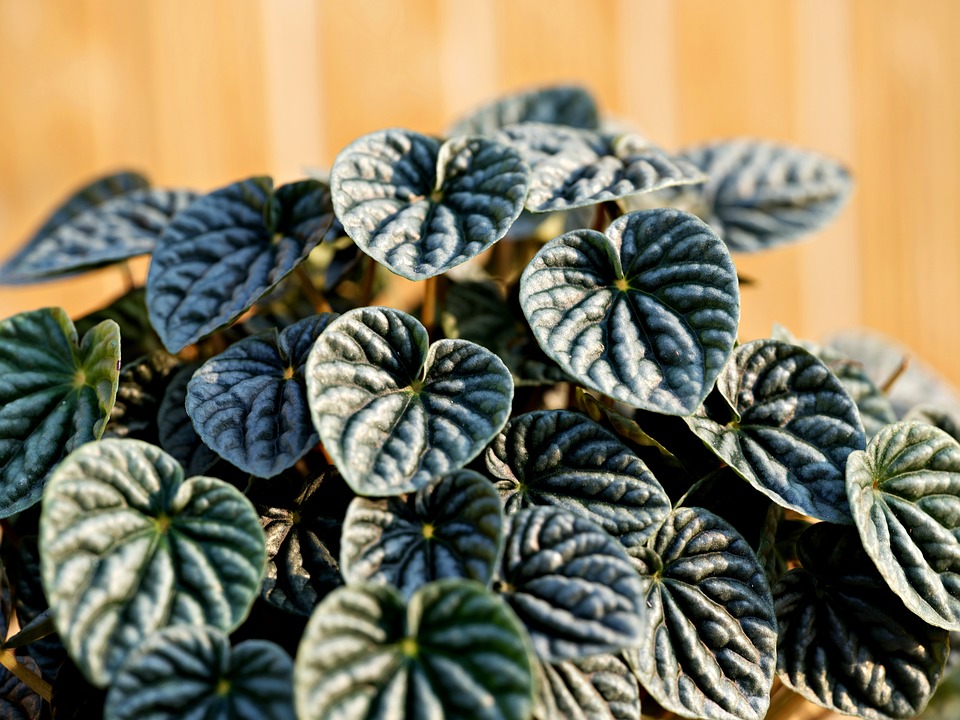
The texture of the emerald ripple peperomia leaves provides many tiny crevices where insects can hide and lay their eggs. This makes it slightly more challenging to treat than a plant with smooth foliage, but it is certainly not impossible. You might need to use a soft brush or a cotton swab to reach into these areas during your cleaning or treatment routines. Being thorough is the key to making sure that you have eliminated every single intruder from your plant’s environment.
Environmental stress is often the underlying cause that makes a plant more susceptible to attacks from pests and diseases. A plant that is already struggling with poor light or improper watering will have a much harder time defending itself. Maintaining a healthy growing environment is your first line of defense against almost any threat your plant might face. A strong and vigorous emerald ripple peperomia is naturally more resilient and capable of recovering from minor setbacks.
Common insect intruders
Mealybugs are one of the most frequent pests you might encounter, and they look like small, white, cottony spots on the stems. These insects suck the sap from the plant, which can lead to stunted growth and yellowing leaves over time. You can treat a minor infestation by dabbing the bugs with a cotton swab dipped in rubbing alcohol to kill them instantly. For more serious cases, you might need to use a gentle insecticidal soap or neem oil spray to cover the entire plant.
More articles on this topic
Spider mites are another common problem, especially in homes where the air is very dry during the winter months. These tiny pests are often hard to see with the naked eye, but you will notice fine webbing between the leaves and stems. They cause the foliage to look speckled or bronzed as they feed on the individual plant cells. Increasing the humidity around your plant and giving it a regular gentle shower can help to deter these moisture-hating intruders.
Fungus gnats are more of a nuisance than a direct threat to the plant, but their larvae can damage the fine roots if their numbers grow too large. These small, black flies are often seen hovering around the soil surface, particularly if the substrate is kept constantly wet. The best way to control them is to let the top few centimeters of soil dry out completely between waterings. You can also use yellow sticky traps to catch the adults and prevent them from laying more eggs in the soil.
Scale insects can sometimes appear as small, hard bumps on the stems or leaves that look like they are part of the plant. They are actually protected by a waxy shell, which makes them more resistant to many common contact sprays. You can usually scrape them off gently with your fingernail or use a horticultural oil to suffocate them without harming the foliage. It takes a bit of persistence to completely eradicate scale, so you should check the plant every few days until they are gone.
Fungal and bacterial issues
Root rot is perhaps the most serious threat to the emerald ripple peperomia and is almost always caused by overwatering or poor drainage. The roots become mushy and black, and the plant loses its ability to absorb the water and nutrients it needs to survive. You might notice the entire plant wilting even though the soil is wet, which is a classic sign of a failing root system. If caught early, you can sometimes save the plant by repotting it into fresh, dry soil and cutting away the damaged roots.
More articles on this topic
Crown rot is a similar issue that affects the base of the plant where the stems emerge from the central point. This often happens if water is allowed to sit in the center of the foliage for extended periods, especially in cool weather. The stems will turn dark and soft, and the leaves will easily pull away from the main body of the plant. To prevent this, always aim your watering can at the soil surface and avoid getting the leaves wet whenever possible.
Leaf spot diseases can manifest as brown or black circular marks on the foliage, often surrounded by a yellow halo. These are usually caused by fungal spores that thrive in humid environments with poor air circulation. You should remove any affected leaves immediately and dispose of them to prevent the spores from spreading to the rest of the plant. Improving the ventilation in the room and reducing the humidity slightly can help to stop the progression of the disease.
Bacterial infections are less common but can be very destructive, often causing large areas of the plant to turn into a watery, foul-smelling mess. There is no easy cure for advanced bacterial rot, so prevention through clean tools and good hygiene is absolutely critical. If you suspect a bacterial issue, it is often best to discard the affected plant and the soil to protect your other greenery. Always wash your hands and tools after handling a sick plant to avoid cross-contamination.
Physiological disorders
Sometimes the problems your plant is facing aren’t caused by external organisms but by its own reaction to the environment. Oedema is a condition where the plant takes in more water than it can use, causing small blisters or corky spots on the leaves. This is usually a sign that your watering schedule is too frequent or the humidity is consistently too high. Adjusting your habits to allow for better drainage and evaporation will usually solve the problem without the need for chemicals.
Leaf drop can be a frustrating issue where the plant suddenly sheds its lower leaves without any obvious signs of pests or rot. This is often a reaction to a sudden change in the environment, such as a move to a different room or a significant drop in temperature. It can also be a sign of extreme underwatering if the plant has been allowed to stay dry for too long. Once the conditions are stabilized, the plant will usually stop dropping leaves and start to put out new growth.
If you notice that the leaves are losing their deep color and becoming pale or washed out, it might be due to too much direct sunlight. The emerald ripple peperomia prefers bright, indirect light and can actually get bleached by the intense rays of the afternoon sun. Moving the pot just a meter or two away from the window can make a huge difference in the vibrancy of the foliage. Finding that perfect balance of light is a key part of maintaining the plant’s unique aesthetic appeal.
Distorted or stunted growth is often a sign of nutrient imbalances or poor soil quality that has become compacted over time. If the new leaves look twisted or fail to unfurl properly, it is time to evaluate your fertilization and repotting schedule. Providing fresh, airy substrate can often resolve these issues and give the plant the energy it needs to grow correctly. A healthy plant is always the result of a holistic approach to its various biological requirements.
Implementing a protection plan
Creating a regular inspection routine is the best way to stay ahead of any potential problems in your indoor garden. You should spend a few minutes each week looking closely at your emerald ripple peperomia while you are doing your other household chores. This proactive habit allows you to catch pests while they are still in the early stages of their life cycle. It is much easier to deal with a few mealybugs than an entire colony that has spread to all your plants.
Always keep a basic kit of plant care supplies on hand so that you can react quickly when you spot a problem. This might include rubbing alcohol, a bottle of neem oil, some clean scissors, and a bag of fresh, sterile potting mix. Having these items ready means you won’t have to wait until you can get to the store, which can be the difference between success and failure. Being prepared gives you the confidence to handle whatever challenges your plants might throw your way.
If you do need to use a chemical treatment, always follow the instructions on the label exactly to avoid damaging the plant or yourself. It is a good idea to test any new spray on a single leaf first to see how the plant reacts before treating the whole specimen. Some varieties of peperomia can be sensitive to certain oils or soaps, so a cautious approach is always the wisest choice. After treatment, keep the plant out of direct light for a day or two to prevent the foliage from burning.
Finally, remember that gardening is a learning process and even the most experienced experts deal with pests and diseases from time to time. Don’t be too hard on yourself if you lose a plant or have to deal with a difficult infestation in your home. Each challenge is an opportunity to learn more about the fascinating world of plants and improve your skills for the future. Your dedication to your greenery will only grow stronger with every hurdle you overcome.