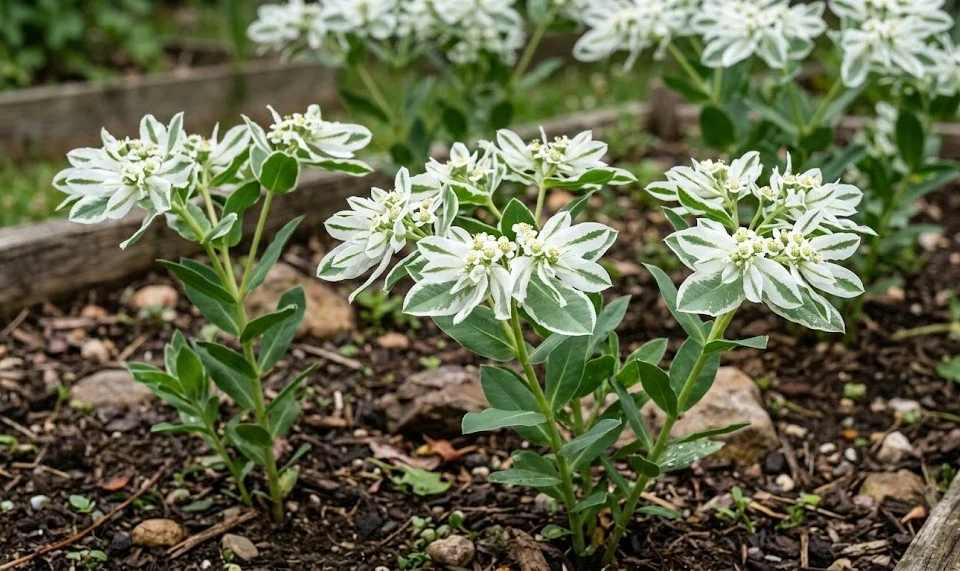

Snow-on-the-mountain is a stunning annual plant that brings a unique aesthetic to any garden landscape with its variegated foliage. Cultivating this species requires a basic understanding of its natural habitat to ensure it thrives throughout the growing season. Many gardeners appreciate it because it provides a cooling visual effect during the hottest months of the summer. While it is generally a hardy plant, consistent attention to its specific needs will yield the most impressive results.
General maintenance principles
Success with this plant starts with choosing the right location in your garden where air circulation is adequate. You should monitor the plant regularly to ensure that it is not becoming overcrowded by faster-growing neighboring species. Removing any surrounding weeds will prevent competition for vital nutrients and space within the flower bed. Maintaining a clean environment around the base of the plant helps to discourage various fungal issues.
Environmental adaptability and resilience
This species is known for its ability to withstand periods of heat once it has established a strong root system. It can adapt to various soil types, although it clearly prefers well-drained conditions to prevent root issues. Even in less than ideal soil, you will find that the plant remains quite vigorous and healthy. Understanding its resilience allows you to use it in parts of the garden where more delicate flowers might struggle.
Safe handling and toxicity awareness
It is extremely important to remember that this plant produces a milky white sap that can be quite irritating to the skin. You should always wear gloves when handling the stems or performing any kind of maintenance tasks. If the sap comes into contact with your eyes or sensitive areas, it can cause significant discomfort and redness. Keeping pets and small children away from the plants is a wise precaution to avoid any accidental contact.
Soil quality and preparation
The foundation of a healthy plant always begins with the structure and composition of the soil in which it grows. You should aim for a soil mix that is rich in organic matter but still allows for rapid drainage. Compaction can be a major enemy for this species, so loosening the earth before planting is highly recommended. Adding a bit of compost can provide the necessary starting nutrients that support early growth phases.
Growth habits and spacing
Understanding how this plant spreads will help you design a more effective and beautiful garden layout. You should space the individual plants at least twelve inches apart to allow for their bushy mature form. Giving them enough room ensures that the white-edged leaves are fully visible and not smothered by other foliage. This spacing also promotes the necessary airflow that keeps the leaves dry and healthy during humid weather.
Aesthetic value in landscaping
The striking contrast between the green centers and white margins of the leaves makes this plant a focal point. You can use it as a border plant to define different sections of your garden with a professional touch. It also works wonderfully as a filler in large containers where it can provide height and texture. Many professional landscapers value it for its ability to brighten up dark corners of the yard.
Long-term garden health
To keep your garden looking its best, you should observe the life cycle of the plant as it moves toward late summer. As the plant matures, the variegation often becomes more pronounced and creates a snowy appearance in the heat. Providing a stable environment without drastic changes in care will help the plant reach its full potential. Regular observation is the best tool a gardener has for ensuring a successful and vibrant display.