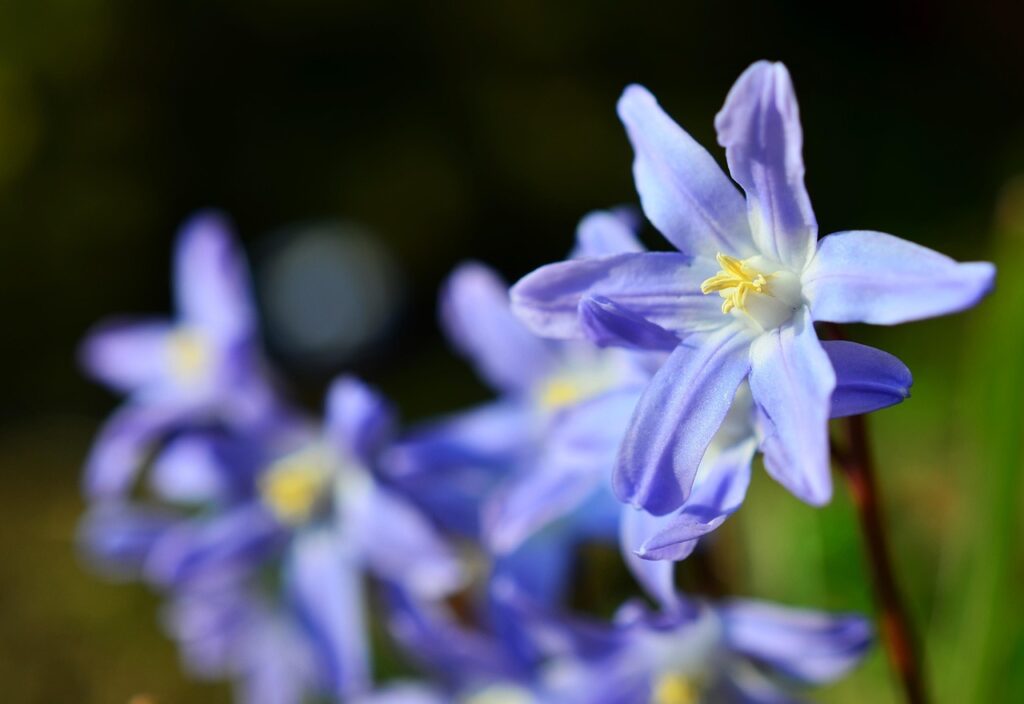

Caring for these resilient early bloomers starts with understanding their unique growth cycle and environmental preferences. These small bulbs are among the first to signal the end of winter, often pushing through frozen ground to display their vibrant blue or white flowers. To maintain a healthy population in your garden, you must pay close attention to the site conditions and seasonal transitions. Providing a stable environment will allow the plants to naturalize effectively and return with more vigor each passing year.
Success with these flowers depends heavily on the quality of the soil and its ability to drain efficiently during the spring thaw. Compacted soil can lead to stagnant water around the bulbs, which often results in decay before the growing season even begins. You should aim for a loamy texture that retains enough moisture for the roots but lets excess water pass through easily. Incorporating organic matter such as leaf mold or well-rotted compost can significantly improve the structure of your garden beds.
Monitoring the local microclimate is also a crucial part of an expert care routine for these spring bulbs. Since they bloom while many trees are still dormant, they benefit from the unfiltered sunlight that reaches the forest floor or garden beds. As the canopy closes later in the spring, the cooling shade helps the foliage mature slowly, which is vital for energy storage. Understanding this balance between early sun and late shade will help you choose the best permanent location for them.
Long-term care involves leaving the plants undisturbed as much as possible once they have been established. They do not enjoy frequent relocation, as their root systems are delicate during the active growth phase in late winter. If you notice a decline in flower production after several years, it may be a sign that the bulbs have become too crowded. In such cases, professional gardeners recommend thinning the clumps only after the foliage has completely died back.
Establishing a sustainable growth environment
Creating a sustainable environment for these bulbs means mimicking their native high-altitude or woodland habitats as closely as possible. The soil should ideally have a neutral to slightly alkaline pH level to support optimal nutrient uptake. You can test your soil periodically to ensure it hasn’t become too acidic due to heavy mulching or acid rain. Adding a light dusting of garden lime can help maintain the necessary balance if your soil naturally trends toward acidity.
More articles on this topic
The physical structure of the planting area should encourage the natural spreading of the bulbs through both seed and offsets. Avoid using heavy landscape fabrics or thick layers of non-biodegradable mulch that might prevent new shoots from emerging. A thin layer of natural mulch, such as shredded bark or pine needles, provides protection without acting as a barrier. This approach allows the garden to look tidy while supporting the natural expansion of the colony.
Managing the surrounding vegetation is another key factor in maintaining a healthy environment for these early spring flowers. You should avoid planting aggressive groundcovers that might compete too heavily for nutrients and physical space. Low-growing, non-invasive perennials make excellent companions because they provide interest later in the summer without choking out the bulbs. Selecting the right neighbors ensures that the bulbs remain the stars of the early spring show.
Ventilation and air circulation around the plants are often overlooked but are essential for preventing fungal issues. Densely packed gardens with stagnant air can trap moisture against the delicate petals and leaves during damp spring mornings. Ensure there is enough space between large shrubs and the bulb patches to allow breezes to dry the foliage after rain. This simple environmental adjustment can drastically reduce the need for chemical interventions later in the season.
Seasonal maintenance and observations
Winter observations are the first step in the yearly maintenance cycle for any dedicated gardener growing these bulbs. Keep an eye on the ground as the snow begins to melt to ensure that no frost heaving has exposed the bulbs to the air. If you see bulbs sitting on the surface, gently press them back into the soil and cover them with a bit of fresh earth. This prevents the sensitive tissues from drying out or freezing during late-season temperature fluctuations.
More articles on this topic
Spring is the most active time for maintenance, but it requires a light touch to avoid damaging the emerging shoots. You should clear away heavy debris and fallen branches that might have accumulated over the winter months. Be careful not to step on the planting area, as the soil is often saturated and prone to compaction at this time. Gentle hand-weeding is preferred over using tools to ensure the shallow root systems remain intact.
As the blooming period ends, the focus shifts to supporting the development of the bulbs for the following year. You must resist the urge to tidy up the garden by cutting back the green leaves immediately after the flowers fade. The foliage is the engine that generates the energy needed for next year’s floral display through photosynthesis. Allow the leaves to turn yellow and eventually brown before removing them manually from the garden bed.
Summer maintenance is largely passive since the bulbs are dormant and hidden beneath the surface of the soil. The main goal during this time is to prevent the area from becoming waterlogged if you have an automatic irrigation system for other plants. Excessive summer moisture can cause the bulbs to rot while they are in their resting phase. Marking the location of the bulbs with small stakes can help you avoid accidentally digging them up during summer planting projects.
Enhancing floral displays through site management
To achieve a truly spectacular floral display, you should consider the visual density of the planting over time. Mass plantings always create a more significant impact than scattered individual bulbs placed randomly across a lawn. You can enhance the visual effect by planting in drifts that follow the natural contours of your garden landscape. This technique mimics how the flowers grow in the wild and creates a more professional, intentional look.
Integrating these bulbs into a lawn is a popular way to create a meadow-like appearance in early spring. However, this requires a specific mowing schedule to ensure the bulbs can complete their life cycle effectively. You must delay the first mowing of the grass until the bulb foliage has completely withered and disappeared. This cooperation between lawn care and bulb health is essential for maintaining a perennial display in grassy areas.
Soil fertility plays a secondary but important role in the quality of the floral display each year. While these bulbs are not heavy feeders, a small amount of bone meal or specialized bulb food can be beneficial. Apply these nutrients in the autumn as the roots begin to grow actively beneath the surface of the cooler soil. Avoid high-nitrogen fertilizers, as they tend to promote excessive leaf growth at the expense of flower production.
The orientation of the planting site relative to the sun can also influence the timing and duration of the bloom. Bulbs planted on a southern-facing slope will likely bloom several days or even weeks earlier than those on a northern exposure. By utilizing different areas of your property, you can effectively extend the blooming season of these flowers. This strategic site management allows you to enjoy the vibrant colors for a longer period throughout the spring.
Advanced techniques for colony health
Monitoring the density of a colony is a task for the experienced gardener who wants to maintain peak performance. Over time, a successful patch can become so crowded that the individual plants begin to compete for limited resources. If you notice that the number of flowers is decreasing while the foliage remains lush, it is time to intervene. Lifting and separating the bulbs every four to five years helps maintain the vigor and health of the entire population.
Naturalizing is the ultimate goal for many who plant these bulbs, and it requires a patient, long-term approach. You should encourage seed production by not deadheading the flowers unless you specifically want to prevent spreading. The seeds are often moved around by ants, which helps the plants appear in unexpected and charming locations throughout the garden. This biological partnership is a fascinating aspect of growing these particular spring ephemeral plants.
Soil aeration can be beneficial in older garden beds where the earth has become packed down over many seasons. Using a garden fork to gently poke holes around the perimeter of the bulb colony can improve oxygen levels in the root zone. Be careful not to drive the fork directly into the center of the bulb mass to avoid physical damage. Improved gas exchange in the soil supports the beneficial microbial activity that keeps the bulbs healthy.
Record keeping is a professional habit that can significantly improve your success rate with garden maintenance. Documenting the emergence dates, peak bloom times, and any weather anomalies helps you predict future needs. You can use these notes to adjust your care routine or to plan for supplemental plantings in areas that seem thin. A well-maintained garden journal becomes an invaluable tool for any serious horticulturist over the years.
Managing competition and garden neighbors
Selecting the right companion plants is as much about aesthetics as it is about the biological health of the bulbs. Hostas and ferns are classic choices because their large leaves emerge just as the bulb foliage is starting to decline. These perennials act as a natural camouflage, hiding the yellowing leaves of the bulbs without competing for spring sunlight. This succession planting ensures that the garden remains attractive throughout the entire growing season.
You should avoid planting deep-rooted shrubs or trees with aggressive surface roots directly over your bulb beds. Such plants can sap the moisture and nutrients that the bulbs need during their short but intense growing window. If you must plant near large trees, choose species with deep taproots or those that are late to leaf out. This reduces the physical and nutritional competition, allowing the small bulbs to flourish in the understory.
Weed management is a constant task that requires a delicate approach when dealing with small spring bulbs. Perennial weeds with taproots can be particularly problematic if they establish themselves in the middle of a bulb clump. It is best to address these weeds in the autumn when the bulbs are dormant and the soil is easy to work. Keeping the area clean of invasive species ensures that the bulbs don’t have to fight for survival.
Using groundcovers can be a double-edged sword when it comes to the health of your spring bulb display. While they prevent soil erosion and keep weeds down, some varieties can become too thick for the delicate shoots to penetrate. Choose airy groundcovers like creeping thyme or sedum that allow the bulbs to poke through easily in the spring. This creates a multi-layered garden effect that is both functional and visually appealing to the eye.
Long term sustainability and rejuvenation
Rejuvenating an old patch of bulbs is a project that requires careful timing and a bit of physical labor. You should wait until the foliage is almost gone but still visible enough to mark the location of the bulbs. Dig up the entire clump with a large spade, taking care to get well underneath the root systems. Gently pull the bulbs apart by hand and replant them immediately at the proper depth in refreshed soil.
Adding fresh organic matter to the site during the rejuvenation process provides a significant boost to the plants. Mix in high-quality compost or leaf mold into the bottom of the planting holes to provide a slow-release source of nutrients. This also helps to break up any heavy clay or compacted earth that may have formed over the years. The improved soil structure will encourage the newly separated bulbs to establish themselves quickly and grow strongly.
Watering the area thoroughly after replanting is essential to settle the soil and eliminate air pockets around the bulbs. Even if the plants are entering dormancy, the moisture helps the roots make good contact with the new earth. If the autumn is particularly dry, continue to provide supplemental water to ensure the bulbs don’t dehydrate before winter. This initial care after a move is the foundation for a successful transition and future blooming.
Ultimately, the sustainability of your garden depends on observing the natural rhythms of the plants and reacting accordingly. These bulbs are remarkably self-sufficient once they find a spot they like in your landscape. By providing minimal but targeted intervention, you can enjoy a growing sea of blue every spring for decades. Your role as a gardener is to facilitate this natural process through thoughtful care and expert site management.


Glory of the snow, or Chionodoxa, is such a welcome sight in the early spring garden. Its vibrant blue or white flowers are a real standout and often push through frozen ground to signal the end of winter. I find that they are very easy to grow and can tolerate a wide range of soil conditions, though they prefer a spot in full sun or partial shade. They are very reliable and will return year after year with very little effort. I love the way they naturalize in lawns and under deciduous trees, creating a beautiful carpet of color early in the season. I’ve noticed that they are very attractive to early-season pollinators like bees.
I completely agree about their naturalizing habit—I put in a few hundred bulbs a few years ago and now they are everywhere! It’s such a beautiful and low-maintenance way to add a bit of color to the garden early in the year. One thing I’ve found is that you have to wait to mow the lawn until the foliage has completely died back, otherwise they won’t have enough energy for next year’s bloom. This can sometimes result in a bit of a messy-looking lawn for a few weeks, but I think it’s well worth it. Have you ever tried the pink-flowered variety? I’ve seen them in a neighbor’s garden and they are quite stunning too.
One of the things I love most about glory of the snow is how resistant they are to pests like deer and rabbits. They are one of the few things in my garden that doesn’t get nibbled on as soon as it emerges! I’ve found that they are very cold-hardy and can withstand even quite severe frosts without any problem. They prefer a soil that is well-drained but stays consistently moist during their active growth period. I usually mulch mine with a bit of leaf mold in the autumn to provide some extra nutrients and to help retain moisture. They are such a low-maintenance and rewarding plant for any early spring garden. I’m definitely going to plant even more of them this autumn.
If you want to keep your glory of the snow looking its best, it’s important to leave the foliage alone until it has completely turned yellow and died back. This is when the bulb is recharging its energy stores for the following year’s bloom. I’ve noticed that they can sometimes be a bit sensitive to being moved once they are established, so it’s best to plant them where you want them to stay. They look great when planted in large groups or drifts for a high-impact display. I’ve also found that they are very easy to grow from seed, though it might take a few years before they start flowering well. Overall, they are a fantastic and easy-to-grow bulb for any garden.
For those with limited space, glory of the snow grow surprisingly well in containers and window boxes. I use a high-quality potting mix with a bit of extra grit added in to ensure the drainage is as sharp as possible. They look great when mixed with other early spring bulbs like crocuses and scilla. Just remember to keep them well-watered during their active growth period, as pots can dry out very quickly in the spring wind. I usually move the pots to a less conspicuous spot once the flowers are gone and the foliage has died back. They are such a cheerful and rewarding plant to have around early in the year.