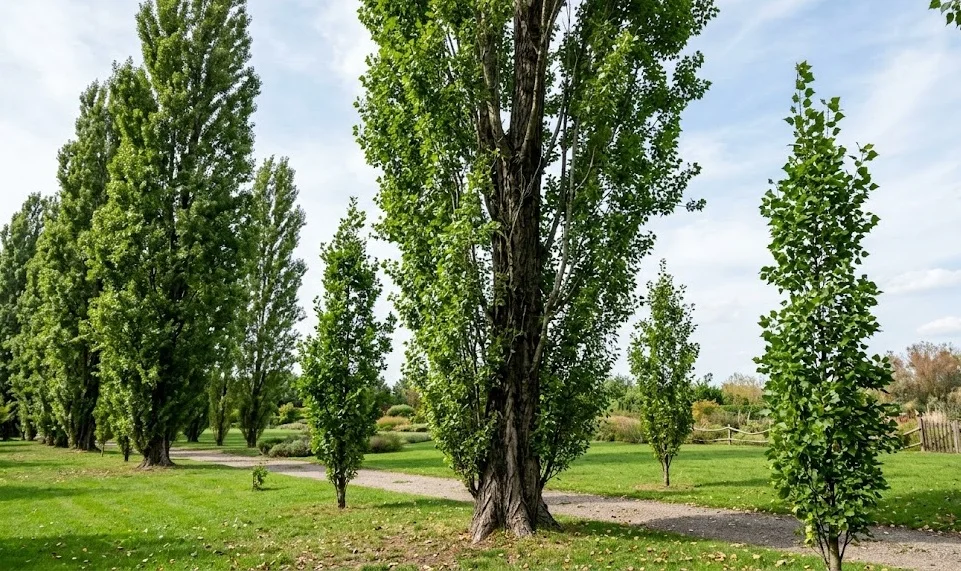

Preparing your lombardy poplar for the winter begins long before the first frost arrives in the autumn. As the days grow shorter, the tree starts to move its energy from the leaves into the root system for storage. You can support this natural transition by gradually reducing the amount of nitrogen-rich fertilizer you provide in late summer. This encourages the new growth to harden off and become more resistant to freezing temperatures.
Cleaning up the area around the base of the tree is a vital task during the late autumn months. Rake up all fallen leaves and dispose of them away from the tree to prevent pests from overwintering in the debris. This also helps to eliminate any fungal spores that may have accumulated on the foliage during the summer. A clean garden bed is a sign of a professional approach to landscape maintenance and health.
A final deep watering before the ground freezes is one of the most beneficial things you can do for your tree. Even though the tree is dormant, the roots still need a certain amount of moisture to stay healthy during the winter. Dry soil freezes more deeply and quickly than moist soil, which can lead to root damage. Ensure the water reaches deep into the ground to provide a reservoir for the tree during the cold months.
Inspecting the tree for any structural weaknesses or dead wood is also important before the winter storms arrive. Heavy snow and ice can put a tremendous amount of weight on the branches, causing weak limbs to snap. Pruning away any compromised branches now will prevent damage to the main trunk later in the season. This proactive maintenance ensures the tree remains safe and intact throughout the harshest weather.
Safeguarding the root zone
The root system of the lombardy poplar is the most important part of the tree to protect during the winter. Applying a fresh, thick layer of organic mulch in the late autumn provides an essential insulating blanket for the soil. This layer helps to moderate soil temperature fluctuations, preventing the cycle of freezing and thawing that can heave roots. Wood chips, straw, or shredded bark are all excellent materials for this specific purpose.
More articles on this topic
The mulch layer should be about three to four inches deep and extend out to the drip line of the tree. It is important to keep the mulch a few inches away from the trunk itself to prevent moisture buildup against the bark. This prevents the bark from rotting and discourages small rodents from nesting and chewing on the tree. A properly mulched tree is much more likely to emerge from winter in excellent health.
In regions with extremely cold winters, you may want to consider using a specialized root stimulant in the autumn. These products often contain phosphorus or mycorrhizal fungi that help strengthen the root system without encouraging leaf growth. Stronger roots are better able to withstand the stresses of cold soil and limited water availability. This professional technique is especially useful for young or newly planted trees that are still establishing themselves.
Monitoring the moisture levels in the soil during the winter is also a good practice if you live in a dry climate. If the ground is not frozen and there has been no snow or rain for several weeks, you should provide a light watering. Evergreens are more sensitive to winter drought, but deciduous trees like poplars also benefit from occasional hydration. Keeping the roots from drying out completely is the key to a successful spring recovery.
Managing ice and snow
Heavy snow loads can be a significant threat to the narrow, upright branches of the lombardy poplar. If snow accumulates quickly, it can cause the flexible branches to bend outward or even break under the weight. You can gently brush off fresh snow with a soft broom to relieve the pressure on the tree’s structure. Always work from the bottom up and avoid shaking the branches violently, as frozen wood is very brittle.
More articles on this topic
Ice storms are particularly dangerous because ice is much heavier than snow and cannot be easily removed. If your tree becomes coated in ice, the best professional advice is to leave it alone and let the ice melt naturally. Trying to break the ice off will almost certainly cause the bark to tear or the branches to snap. Keep a safe distance from the tree during these times, as falling ice or limbs can be a major safety hazard.
After a major storm, inspect the tree for any damage that may have occurred to the branches or the main trunk. If you find broken limbs hanging in the canopy, they should be removed as soon as it is safe to do so. These “widowmakers” are dangerous and can cause further damage if they fall during a subsequent storm. A clean, professional cut will help the tree heal the wound more quickly once the growing season begins.
Sometimes, the weight of the snow can cause a young tree to lean significantly to one side. If the tree does not straighten up on its own after the snow melts, you may need to provide some temporary support. Use a soft tie and a sturdy stake to gently pull the tree back into a vertical position. This intervention prevents the tree from permanently growing at an angle and maintains its iconic columnar shape.
Spring recovery phase
As the temperatures begin to rise in early spring, the lombardy poplar will start to wake up from its winter dormancy. This is the time to remove any protective wraps or stakes that were used during the cold months. Check the trunk for any signs of “sunscald,” which appears as cracked or sunken bark on the south side of the tree. If you notice this, you may need to use a tree wrap in future winters to protect the bark from the sun.
The first watering of the spring should be deep and thorough to help wake up the root system and wash away any salts. If you used salt on nearby walkways or driveways during the winter, ensure that it has not accumulated in the tree’s root zone. Excess salt can be very harmful to the health of the tree and may cause the leaves to turn brown later. Flushing the soil with fresh water is the most effective way to solve this potential problem.
Inspect the buds to see if they are starting to swell and show signs of life. If some branches remain bare while the rest of the tree is leafing out, they may have suffered from winter kill. You can test if a branch is still alive by gently scratching the bark with your fingernail; green tissue underneath means it is healthy. Prune away any truly dead wood to allow the tree to focus its energy on the living parts.
Finally, refresh the mulch layer if it has become thin or compacted over the winter months. This maintains the moisture levels and weed control that the tree will need during the upcoming growing season. Spring is a time of renewed energy and growth, and your careful overwintering efforts will now pay off. A healthy start in the spring sets the tone for the entire year of development for your lombardy poplar.