
Taking care of these resilient shrubs is a rewarding experience for any dedicated gardener who values both beauty and durability. You will find that these plants are remarkably self-sufficient once they have established themselves in your garden soil. It is essential to understand the unique needs of this species to ensure it thrives for many years to come. Professional maintenance involves a delicate balance between active intervention and letting nature take its course.
Successful maintenance begins with a deep understanding of the local climate and how it affects the plant’s growth cycle. You should monitor the moisture levels in the ground frequently, especially during the height of the summer heat. A healthy shrub will display vibrant green foliage and produce numerous blossoms throughout the flowering period. By paying close attention to these visual cues, you can adjust your care routine to meet the specific demands of the season.
The overall health of the shrub depends significantly on the cleanliness of the area surrounding the base of the plant. You must remove fallen leaves and spent blossoms regularly to prevent the buildup of organic debris that could harbor unwanted guests. This practice not only improves the aesthetic appeal of your garden but also promotes better air circulation around the lower branches. Consistent cleaning is a fundamental pillar of professional rose care that should never be overlooked by serious enthusiasts.
Monitoring the growth patterns of the stems and branches will help you identify any potential issues before they become serious problems. You should look for signs of vigorous new growth as an indicator of a healthy and happy root system. If the plant appears stagnant or shows signs of distress, it might be time to re-evaluate your environmental management strategies. Keeping a garden journal can be a fantastic way to track the progress of your plants and note any significant changes over time.
Soil management and health
The foundation of a thriving garden is always the quality of the earth in which your specimens are planted. You should focus on maintaining a rich, well-draining environment that provides all the necessary components for sustained vitality. Adding organic matter to the surface can help improve the structure of the ground and encourage beneficial microbial activity. These tiny organisms play a crucial role in breaking down nutrients and making them available to the roots.
More articles on this topic
Proper drainage is non-negotiable when it comes to keeping these specific roses in peak condition throughout the year. You can test the drainage of your site by observing how quickly water disappears after a heavy rainfall or a deep watering session. If the ground remains waterlogged for extended periods, you may need to incorporate sand or fine gravel to improve the flow. A well-aerated soil profile allows the roots to breathe and prevents the development of many common underground issues.
Testing the pH levels of your garden beds is a professional step that can yield significant long-term benefits for your collection. These shrubs typically prefer a slightly acidic to neutral environment, which allows for optimal nutrient uptake through the root hairs. You can easily find testing kits at most local agricultural centers to get an accurate reading of your current situation. Based on the results, you might choose to add specific amendments to bring the levels into the ideal range for your plants.
Mulching is another essential technique that helps regulate the temperature and moisture levels of the earth around your roses. You should apply a generous layer of bark chips or compost to help suppress weeds and retain vital hydration during dry spells. This protective barrier also breaks down slowly over time, contributing even more organic value back into the ecosystem. Professional gardeners often refresh this layer in the spring to prepare the garden for the upcoming growing season.
Seasonal maintenance routines
As the seasons change, so must your approach to managing the various tasks required to keep your garden in top shape. The spring months are primarily focused on awakening the plants and encouraging a strong start for the new year. You will spend much of your time clearing away the remnants of winter and preparing the ground for fresh growth. This is the perfect time to assess the overall structure of your shrubs and plan your interventions for the months ahead.
More articles on this topic
During the summer, the priority shifts toward maintaining hydration and managing the abundant blooms that define this variety. You must be diligent about checking for signs of heat stress and providing relief during the hottest parts of the day. Deadheading, or the removal of wilted flowers, is a vital task that encourages the plant to put its energy into producing more buds. This constant attention ensures that your garden remains a spectacular display of color and fragrance all summer long.
Autumn brings a slower pace of growth and a shift in the nutritional requirements of your established rose bushes. You should begin to scale back on any practices that encourage soft, new growth that might be damaged by the first frosts. Instead, focus on strengthening the existing structure and cleaning up the fallen foliage that naturally occurs as the temperatures drop. This transitional period is critical for ensuring that the plant is well-prepared for the dormant months of the winter.
Winter care is mostly hands-off, but it still requires a level of vigilance to protect your investment from extreme weather conditions. You should ensure that the base of the plant is well-protected and that any climbing structures are secure against heavy winds. While the shrub is dormant, you can take the time to clean and sharpen your tools for the next season. Taking a break from active gardening allows you to reflect on your successes and plan for an even better display next year.
Essential tools and materials
Every professional gardener knows that having the right equipment is half the battle when it comes to plant maintenance. You should invest in a high-quality pair of bypass pruners that provide clean cuts and minimize damage to the living tissue. Keeping your blades sharp and sterilized is a non-negotiable rule that prevents the spread of issues between different specimens. A well-maintained toolkit is a sign of a serious practitioner who respects the health of their botanical collection.
In addition to cutting tools, you will need reliable equipment for managing the soil and delivering water to the roots. A sturdy garden fork is indispensable for aerating the ground and mixing in amendments without causing excessive disturbance. You might also consider a high-quality watering wand that allows you to target the base of the plant directly. This focused approach ensures that the moisture reaches where it is needed most while keeping the foliage dry and healthy.
Protective gear is just as important as the tools you use to interact with your roses and the surrounding environment. You should wear heavy-duty gloves that protect your hands from the thorns that are characteristic of this particular species. Sturdy footwear and long sleeves can also prevent scratches and keep you comfortable during long hours in the garden. When you feel protected and comfortable, you can focus more effectively on the technical aspects of your gardening tasks.
Storage and organization of your materials will make your daily routines much more efficient and enjoyable. You should keep your fertilizers, mulches, and soil amendments in a dry, cool place where they will remain effective for a long time. Organizing your shed or garage allows you to find what you need quickly and keep track of your inventory levels. A professional workspace reflects the organized mind of a gardener who is dedicated to achieving the best possible results.
Environmental adaptation strategies
Understanding how your roses interact with their specific microclimate is a key component of expert-level gardening. You must observe the patterns of wind and air movement in your yard to identify the most sheltered or exposed spots. These plants are known for their ability to withstand coastal conditions, including salt spray and strong breezes, but they still benefit from some protection. By placing your shrubs strategically, you can take advantage of the natural features of your landscape to promote better growth.
The amount of rainfall your region receives will dictate much of your management strategy throughout the productive months. You should adjust your watering schedule based on the actual conditions rather than following a rigid calendar that might not reflect reality. In years with high precipitation, you must be extra vigilant about ensuring that the drainage systems are functioning correctly. Conversely, during droughts, you will need to step in and provide the supplemental hydration that the plants require to survive.
Temperature fluctuations can have a significant impact on the development of the flowers and the overall vigor of the shrub. You might notice that the colors of the blossoms are more intense during certain times of the year or under specific weather conditions. This variety is generally quite hardy, but extreme heat can cause the flowers to fade more quickly than usual. Providing some afternoon shade in very hot climates can help extend the life of the blooms and keep the plant looking its best.
Observing how neighboring plants affect your roses is another advanced technique for creating a harmonious garden environment. You should consider the growth rates and nutrient requirements of any companion plants you choose to include in your design. Some species can help deter common garden visitors, while others might compete too aggressively for the available resources. A well-planned garden layout takes into account the long-term interactions between all the different organisms living in the space.
Long-term health and vitality
Investing in the future of your garden means taking steps today that will pay off in the years and decades to come. You should prioritize the development of a strong, deep root system that can sustain the plant through periods of environmental stress. This is achieved by encouraging the roots to grow downward through deep watering and proper soil preparation. A robust foundation is the best insurance policy you can provide for your valuable botanical specimens.
Regularly assessing the structural integrity of the stems will help you decide when it is time to perform more significant maintenance tasks. You should look for any signs of aging or decline in the older wood and plan to replace it with fresh, vigorous growth. This natural cycle of renewal is essential for keeping the shrub productive and aesthetically pleasing over a long period. Many gardeners find that a proactive approach to structural management prevents many issues before they ever arise.
Consistency in your care routine is the most effective way to build the resilience of your plants over the long term. You should aim to provide a stable environment with minimal drastic changes in nutrition or hydration levels. When the plants know what to expect, they can focus their energy on growth and reproduction rather than constantly adapting to new conditions. Professional results are often the product of many small, consistent actions taken over a significant amount of time.
Sharing your experiences with other enthusiasts can provide new insights and help you refine your professional techniques. You might discover that local variations in soil or climate require unique adjustments that are not found in general gardening guides. Engaging with a community of like-minded individuals allows you to stay informed about the latest trends and best practices in the field. Continuous learning is a hallmark of an expert gardener who is always looking for ways to improve their craft.
Aesthetic considerations and design
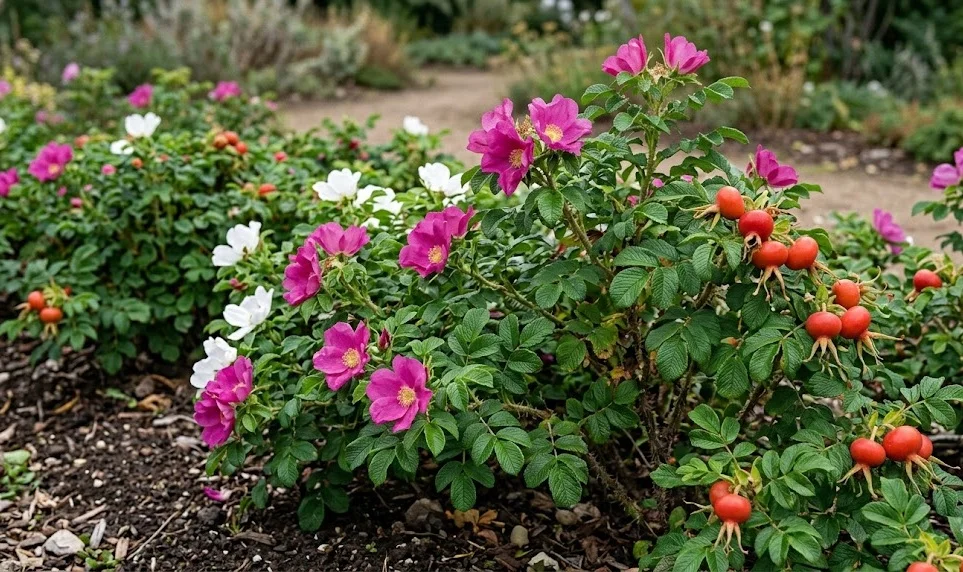
While health is paramount, the visual impact of your garden is likely one of the main reasons you chose to plant these roses. You should consider how the natural form of the shrub fits into the overall architecture of your outdoor space. This variety is known for its dense, mounding habit, which makes it an excellent choice for creating low hedges or borders. By thinking about the final size and shape of the plant, you can place it where it will have the most impact.
The texture of the leaves and the color of the hips provide visual interest even when the flowers are not in bloom. You should appreciate the rugged, wrinkled appearance of the foliage, which adds a unique character to any garden bed. In the autumn, the large, orange-red fruits become a prominent feature that attracts birds and adds a splash of color to the fading landscape. A professional design takes into account these year-round attributes to create a garden that is beautiful in every season.
Color coordination with other flowering species can elevate your garden from a simple collection of plants to a true work of art. You should experiment with different combinations of perennials and annuals that complement the soft pinks or whites of the rose blossoms. Some gardeners prefer a monochromatic look, while others enjoy a vibrant tapestry of many different hues and shades. Your personal style will guide these choices, but understanding the basics of color theory can help you achieve a more polished result.
Finally, consider the sensory experience of your garden, including the wonderful fragrance that these roses are famous for producing. You should place your plants near walkways or seating areas where the scent can be enjoyed by everyone who visits. The aroma is often most intense in the early morning or evening when the air is still and the humidity is slightly higher. Creating a garden that appeals to all the senses is the ultimate goal of a professional horticulturist.