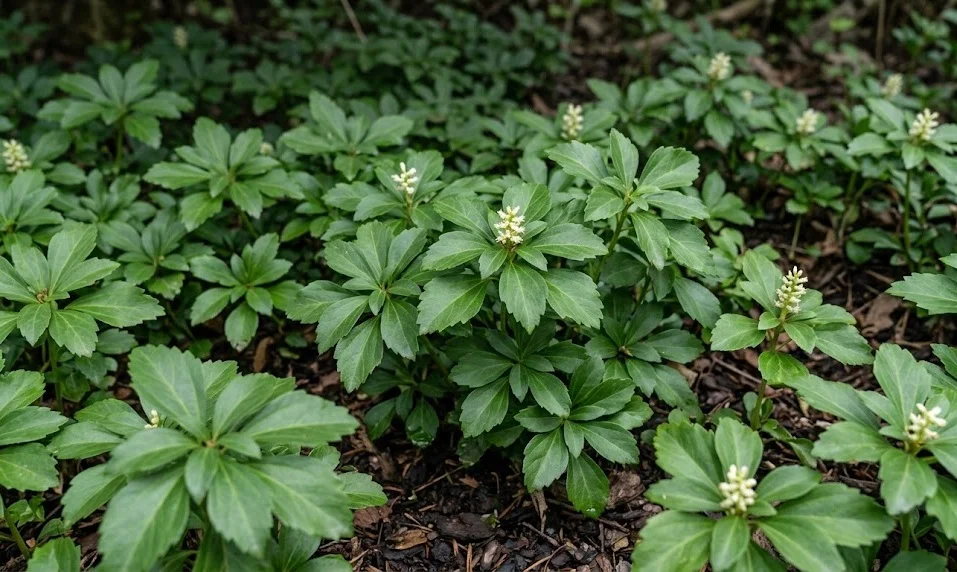

Preparing Japanese spurge for the winter months is a vital part of its annual care cycle, ensuring it emerges in the spring with its beauty intact. As an evergreen groundcover, this plant maintains its foliage throughout the cold season, which makes it vulnerable to certain winter-related stresses. While it is naturally hardy and capable of surviving significant freezes, the combination of wind, ice, and dry air can take a toll on its appearance. Taking a few proactive steps in the autumn will help safeguard the health of the plants during the harshest times of the year.
The most significant threat to the Japanese spurge during the winter is not the cold itself, but rather the loss of moisture from the leaves. Because the ground is often frozen, the roots cannot take up water to replace what is lost to the dry winter winds. This condition, known as winter desiccation, can cause the leaves to turn brown and become brittle by the time spring arrives. Providing a deep watering in the late autumn before the ground freezes is one of the most effective ways to prevent this problem.
Mulching plays a crucial role in the winter protection of this groundcover by insulating the soil and regulating temperature. A fresh layer of shredded bark or leaf mold applied in November will help prevent the soil from freezing and thawing repeatedly. This “heaving” process can sometimes push shallow-rooted plants out of the ground, exposing their delicate crowns to the cold air. A stable soil temperature provided by mulch ensures that the root system remains protected and stationary throughout the winter.
Snow cover is actually a gardener’s best friend when it comes to wintering these evergreen plants. A thick blanket of snow acts as a natural insulator, protecting the foliage from both extreme cold and drying winds. If you live in an area with reliable snow cover, your spurge will likely come through the winter looking very healthy and vibrant. However, in regions with “open” winters characterized by cold wind and no snow, you may need to provide some additional physical protection.
Protecting foliage from winter burn
Winter burn is a common issue for many evergreen plants, and Japanese spurge is no exception when planted in exposed locations. It occurs when the sun and wind cause the leaves to lose moisture faster than the dormant roots can supply it. The result is often patches of brown, scorched-looking foliage that can take a long time to recover in the spring. Placing your spurge in a sheltered spot away from prevailing winter winds is the first line of defense against this type of damage.
More articles on this topic
If your plants are located in a particularly vulnerable area, you might consider using a burlap screen or a temporary windbreak. These structures can deflect the harshest winds and provide a bit of shade during the brightest winter days when the sun is most intense. You should avoid wrapping the plants directly, as this can trap too much moisture and lead to fungal problems. Instead, create a small fence or barrier that sits a few inches away from the edge of the garden bed.
Anti-desiccant sprays are another tool that professional gardeners sometimes use to protect evergreen foliage during the winter. These products create a thin, waxy coating on the leaves that reduces the amount of water lost to the atmosphere. For best results, these sprays should be applied on a calm day in late autumn when temperatures are still above freezing. While not always necessary, they can provide an extra layer of security for high-value plantings or young groundcovers.
It is also important to monitor the plants for signs of physical damage caused by heavy ice or snow accumulation. While a light dusting of snow is beneficial, a heavy, wet snowfall can sometimes crush the stems if it is left to sit for too long. Gently brushing away excessive snow with a broom can prevent the branches from breaking under the weight. Just be careful not to damage the frozen foliage, as it can be quite brittle when the temperatures are well below freezing.
Managing the garden bed in early winter
Early winter is the time to finalize all your preparations and ensure the garden is clean and tidy. Removing any diseased or dead plant material before the first heavy snow will help prevent the spread of pathogens in the spring. You should also take a final walk through the garden to check that your mulch layer is still even and has not been disturbed by animals. This is also a good time to make sure that any protective structures you have installed are secure and ready for the wind.
More articles on this topic
If you have newly planted spurge that has not yet experienced a full winter, they will need a little extra attention. Young plants do not have the extensive root systems of established mats, making them more susceptible to both cold and drought. Ensure these newcomers are well-mulched and perhaps given a bit of extra shelter if they are in a particularly exposed spot. Supporting them through their first winter is key to ensuring they have a vigorous start when the growing season returns.
Watering should continue as long as the ground is not frozen and the weather remains unusually dry. Many gardeners make the mistake of putting away their hoses too early, leaving their evergreens to face the winter in a dehydrated state. A long, slow soak during a warm spell in December can make a massive difference in how the plants look in March. Think of this as filling the plant’s “internal reservoir” so it has enough moisture to survive the dormant months.
Finally, keep an eye out for any wildlife that might use the dense mat of Japanese spurge as a winter refuge. While the plants are generally resistant to deer browsing, small rodents like voles can sometimes damage the stems or roots under the cover of snow. If you notice signs of animal activity, you may need to take steps to protect the area, such as using non-toxic repellents. Maintaining a clean garden perimeter can also help discourage unwanted guests from moving into your groundcover beds.
Transitioning from winter to spring
As the days begin to lengthen and the snow starts to melt, your focus will shift toward the spring recovery phase. This is an exciting time for any gardener, as the first signs of green begin to emerge from the receding snow. You should avoid walking on the garden beds while the soil is still saturated and thawing, as this can compress the earth and damage the roots. Patience is required during this transitional period to ensure you don’t do more harm than good with early maintenance.
Once the ground has fully thawed and dried out a bit, you can begin to assess any winter damage that may have occurred. Brown leaves can be gently removed, and any broken stems should be pruned back to healthy tissue to encourage new growth. Don’t be too alarmed if the plants look a bit dull or “tired” immediately after the winter; they usually perk up quickly once the sun warms the soil. A light application of compost at this time will provide the nutrients needed for a strong spring flush.
If you find that some plants have been lifted out of the ground by frost heaving, gently press them back into the soil and add a bit more mulch. This quick fix will protect the roots from drying out and allow the plant to re-establish itself as the growing season begins. If the damage to the foliage is extensive, you may want to consider a light pruning to stimulate fresh growth from the base. Japanese spurge is remarkably resilient and will often surprise you with how quickly it recovers from winter stress.
Finally, take note of any areas that suffered the most damage and consider how you might improve their protection for the following year. Perhaps a new shrub could be planted to provide a windbreak, or the mulch layer could be made a bit thicker in that specific spot. Every winter is a learning experience that helps you become a better steward of your shaded garden beds. With consistent care and a bit of foresight, your Japanese spurge will continue to be a reliable evergreen anchor for your landscape.