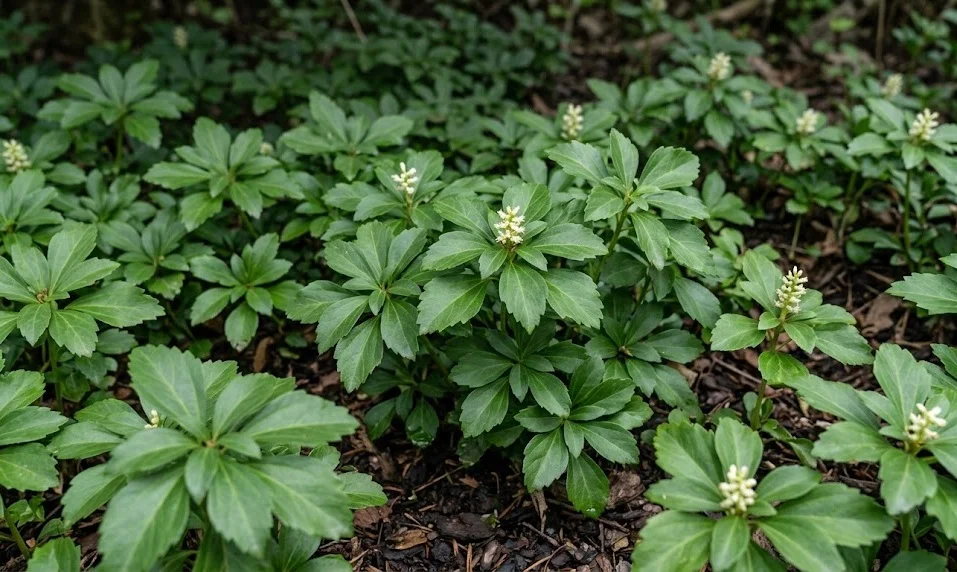

Understanding the hydration and nutritional needs of Japanese spurge is essential for maintaining its vibrant evergreen appearance throughout the year. This groundcover is known for its resilience, but its aesthetic quality is directly linked to how well its basic physiological requirements are met. Providing the right amount of water and fertilizer at the appropriate times ensures that the plant remains dense and resistant to environmental stressors. Proper management prevents the common issues of leaf scorch and nutrient deficiencies that can ruin the look of a shaded garden.
Watering is most critical during the first growing season when the root system is still limited in reach. You should aim to keep the soil consistently moist to a depth of several inches to encourage deep rooting. If the surface of the soil feels dry to the touch, it is usually time to provide a gentle soaking. Overwatering, however, must be avoided, as saturated soil can lead to root rot and other fungal complications.
Once the plant is fully established, its water requirements decrease significantly due to its efficient root system and dense foliage canopy. Mature mats of Japanese spurge can handle short periods of drought, but they will lose their luster if left dry for too long. During long stretches of summer heat without rain, providing a deep watering once a week is usually sufficient to maintain its health. The goal is to mimic the naturally moist conditions of the forest floors where these plants originated.
The timing of your watering routine can have a significant impact on the health of the foliage. It is best to water early in the morning so that any moisture on the leaves has time to evaporate before evening. Wet leaves during the night can create a breeding ground for various fungal diseases that thrive in cool, damp conditions. Using a drip irrigation system is the most efficient way to deliver water directly to the roots while keeping the leaves dry.
Establishing a fertilization schedule
Feeding your Japanese spurge is not a complicated task, but it does require a bit of seasonal awareness to get the best results. These plants generally benefit from a light application of fertilizer in the early spring as the new growth begins to emerge. A balanced, slow-release formula is often the best choice because it provides a steady stream of nutrients over several months. This early boost helps the plant recover from winter and prepares it for the vigorous growth period ahead.
More articles on this topic
If your soil is naturally rich in organic matter, you may find that the plants require very little supplemental feeding. However, in sandy or nutrient-poor soils, the foliage can start to look pale or yellowish without extra help. An additional light feeding in early summer can help maintain the deep green color that makes this groundcover so desirable. Avoid fertilizing in late summer or autumn, as this can encourage soft new growth that may be damaged by the first frosts.
Organic fertilizers, such as compost tea or fish emulsion, are excellent choices for gardeners who prefer a more natural approach. these amendments not only provide essential nutrients but also improve the overall health and biology of the soil. Applying a layer of high-quality compost over the top of the bed in the spring can serve as both a fertilizer and a mulch. This method slowly releases nutrients into the root zone every time it rains or you water the garden.
When applying granular fertilizers, always be sure to brush the granules off the leaves and onto the soil surface. Fertilizer left sitting on the evergreen foliage can cause chemical burns that leave permanent brown spots on the leaves. It is also important to water the area thoroughly after fertilizing to help dissolve the nutrients and carry them down to the roots. Following these simple steps will ensure that your plants get the maximum benefit from the nutrients you provide.
Managing soil moisture in different seasons
Seasonal changes bring different challenges for managing the moisture levels around your Japanese spurge. In the spring, the combination of melting snow and frequent rain often provides more than enough water for the plants. You should monitor the area for any standing water during this time, as excessive wetness can be just as damaging as a drought. Ensuring that your garden beds have proper drainage is the best way to handle the unpredictable moisture of the spring season.
More articles on this topic
Summer is the season when the risk of dehydration is highest, especially if the plants are located near the edges of shaded areas. Even in the shade, high temperatures can cause the plants to lose moisture through their leaves at a rapid rate. If you notice the leaves starting to curl or lose their characteristic shine, it is a clear signal that the plant needs immediate hydration. A thick layer of organic mulch will go a long way in keeping the soil cool and reducing the frequency of watering.
As autumn approaches, the plants begin to slow down their metabolic processes in preparation for the winter months. You can gradually reduce the frequency of your watering as the temperatures drop and the days become shorter. However, it is vital to ensure that the plants go into the winter with adequate moisture in their systems. Evergreen plants like the spurge continue to lose water through their leaves all winter long, so a dry autumn can lead to winter desiccation.
Winter watering is rarely necessary in regions with consistent snow cover or regular rainfall. However, in areas with dry winters and frozen ground, the plants can suffer from “winter burn” if they cannot take up water. If you experience a long period of dry weather and the ground is not frozen, a light watering on a relatively warm day can be beneficial. This helps the plant maintain its internal water balance and survive until the spring thaw arrives.
The role of organic matter in nutrition
Long-term nutritional success for Japanese spurge is often rooted in the quality of the soil rather than the frequency of fertilization. Incorporating organic matter into the soil before planting provides a reservoir of nutrients that will last for years. Materials like well-rotted manure, leaf mold, and garden compost are perfect for creating the rich, loamy environment the plant prefers. These organic components also help to regulate moisture, making the plants more resilient to both wet and dry spells.
The natural decomposition of fallen leaves from overhead trees also contributes to the nutritional cycle of the groundcover. While you should remove large, heavy leaves that might smother the plants, smaller leaves can often be left to break down naturally. This process mimics the natural forest ecosystem where nutrients are constantly recycled from the canopy to the floor. Over time, this creates a self-sustaining environment that requires very little intervention from the gardener.
If you find that your soil is particularly heavy or compacted, adding organic matter can help to improve its structure. Loose, well-aerated soil allows the roots to spread more easily and ensures that oxygen can reach the root zone. Healthy roots are much more efficient at taking up both water and nutrients from the surrounding environment. By focusing on the health of the soil, you are providing a solid foundation for the entire life of the plant.
Periodically testing your soil’s nutrient levels can provide valuable insights into what your plants might be missing. If the test shows a specific deficiency, you can apply a targeted fertilizer rather than a general one. This precision prevents the over-application of nutrients that the plant doesn’t need, which is better for the environment. A healthy balance of nitrogen, phosphorus, and potassium will keep your spurge looking its professional best throughout the growing season.
Avoiding common watering and feeding mistakes
One of the most common mistakes gardeners make is watering too frequently but not deeply enough. Light sprinkling only wets the surface of the soil, which encourages the roots to stay near the top where they are vulnerable to heat. Instead, you should water thoroughly so that the moisture reaches at least six inches into the ground. This encourages the plant to develop a deep, robust root system that can withstand environmental challenges.
Over-fertilizing is another pitfall that can lead to problems with Japanese spurge. While it might be tempting to add more fertilizer to get faster growth, this often results in weak, spindly stems. These weak plants are much more likely to be attacked by pests or succumb to diseases like leaf blight. It is always better to err on the side of caution and use less fertilizer rather than more when caring for this species.
Using the wrong type of fertilizer can also cause issues, especially if it significantly alters the pH of the soil. Japanese spurge prefers slightly acidic conditions, so avoid using products that contain high amounts of lime or other alkalizing agents. If your water source is naturally hard and alkaline, you may need to counteract this by using an acidifying fertilizer. Keeping the soil chemistry in the right range is just as important as the actual nutrients you are providing.
Finally, never fertilize a plant that is already stressed by drought or extreme heat. The salts in fertilizers can draw moisture away from the roots, making a dry situation even worse for the plant. Always ensure that the groundcover is well-hydrated before you apply any type of supplemental nutrition. By following these professional guidelines, you will ensure that your Japanese spurge remains a healthy and beautiful feature of your landscape for many years to come.