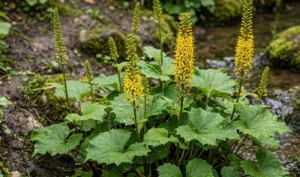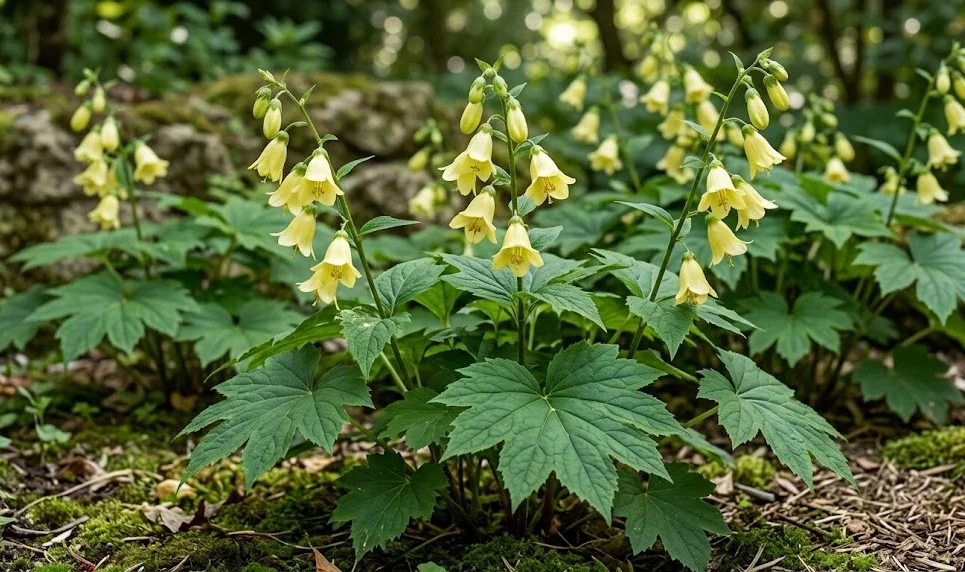

Establishing a consistent and professional hydration and nutrition program is the cornerstone of maintaining the sculptural beauty of these East Asian perennials. These plants have a biological requirement for moisture that is far higher than many common garden species, making them excellent indicators of soil hydration levels. Without a reliable supply of water and the correct balance of nutrients, the large, architectural leaves can quickly lose their luster and become prone to environmental stress. A disciplined approach to these two fundamental tasks ensures that your garden remains a lush sanctuary throughout the hottest months of the year.
The primary challenge in watering these plants is maintaining a constant state of “moist but not saturated” soil. In their native mountain habitats, they are accustomed to frequent rainfall and high humidity, which keeps their large leaves turgored. In a garden setting, this often means providing supplemental irrigation during dry spells, particularly if the plant is situated near large trees that compete for groundwater. The goal is to prevent the soil from ever reaching the “wilting point” where the plant’s cellular structure begins to collapse.
Professional fertilizing involves more than just throwing down a handful of pellets; it requires an understanding of the plant’s metabolic cycle. These are not “heavy feeders” in the traditional sense, but they do require a steady supply of micronutrients to maintain their deep green color. A soil-first approach, focusing on the health of the microbial community, often produces better long-term results than heavy-handed chemical applications. By fostering a rich, organic environment, you provide a buffer that protects the plant from both deficiency and toxicity.
Observation is the most important tool in any watering and fertilizing regimen. By learning to read the physical signs—the curve of a stem, the shade of a leaf, or the timing of a bloom—you can adjust your care to meet the plant’s real-time needs. Every garden has its own unique microclimate, and what works in one location may need refinement in another. Consistency, combined with a willingness to adapt to the weather, is the secret to a thriving specimen.
Moisture requirements
The water needs of these perennials are highest during the late spring and early summer when the foliage is expanding at its fastest rate. During this period, the plant is building a large amount of biomass, which requires a significant volume of water for both cell expansion and photosynthesis. If the plant is allowed to dry out now, the resulting leaves may be smaller and less resilient to the heat of July and August. A deep soaking twice a week is usually more effective than frequent light sprinkles.
More articles on this topic
Humidity also plays a vital role in the water balance of the yellow wax bells. In dry air, the large surface area of the leaves leads to rapid transpiration, which can outpace the roots’ ability to absorb water. On particularly hot and dry days, misting the surrounding area or the foliage itself can help lower the temperature and reduce the water stress on the plant. This is especially important in urban gardens or areas with drying winds that can quickly desiccate delicate tissues.
During the flowering season in late summer, water remains critical for the development of healthy, waxy blooms. Drought during the bud stage can cause the flowers to drop prematurely or fail to open fully, ruining months of careful preparation. Continuing a rigorous watering schedule right up until the flowers fade ensures that the plant has the energy to complete its reproductive cycle. It is often helpful to use a soaker hose or drip irrigation system to deliver water directly to the soil without wetting the blossoms.
As the weather cools in autumn and the plant begins to enter dormancy, its water requirements naturally decrease. However, it is important not to let the soil become bone-dry before the ground freezes, as the roots still need moisture to survive the winter. A final deep watering in late October or early November provides a reservoir of moisture that protects the root system from the drying effects of cold winter winds. Understanding this seasonal shift is key to professional garden management.
Effective watering techniques
The method of delivery is just as important as the amount of water applied to these sensitive perennials. Directing water at the base of the plant, rather than from overhead, is the preferred professional technique for several reasons. First, it ensures that the moisture actually reaches the root zone where it is needed most. Second, it keeps the foliage dry, which significantly reduces the risk of fungal diseases like powdery mildew or leaf spot that thrive in damp, stagnant conditions.
More articles on this topic
Using a slow-release watering method, such as a drip line or a “leaky pipe” system, is ideal for these plants. This allows the water to seep slowly into the soil profile, reaching the deeper roots and encouraging a more extensive root system. Fast, heavy watering often leads to runoff, especially in heavy clay or sloped areas, leaving the actual root ball relatively dry despite the appearance of a wet surface. A slow and steady approach mimics the gentle mountain rains of their native home.
The timing of watering can also influence the plant’s health and the efficiency of your water use. Early morning is the best time to irrigate, as it allows the plant to fully hydrate before the heat of the day arrives. It also gives any water that might have accidentally splashed onto the leaves plenty of time to evaporate before evening. Evening watering should be avoided if possible, as wet foliage during the night is an open invitation for slugs and fungal pathogens.
Water quality is a factor that professional horticulturists often consider, especially in areas with very hard or alkaline tap water. These plants prefer slightly acidic conditions, and the consistent use of lime-heavy water can slowly raise the soil pH over time. Using collected rainwater is the gold standard for these species, as it is naturally soft and slightly acidic. If rainwater is not available, occasionally amending the soil with acidic organic matter can help counteract the effects of hard tap water.
Nutrient management and soil fertility
A professional approach to feeding involves creating a self-sustaining nutrient cycle within the garden soil. The addition of high-quality organic matter, such as well-rotted leaf mold or mushroom compost, provides a slow-release source of all the essential elements. This organic approach also improves the soil’s cation exchange capacity, which is its ability to hold onto nutrients and release them to the plant as needed. Over time, a soil rich in organic matter becomes a living reservoir of fertility.
If supplemental fertilization is required, it should be done with a balanced, slow-release product designed for shade-loving perennials. Avoid high-nitrogen fertilizers that promote rapid, soft growth, as this can make the plant more attractive to pests and more susceptible to wilting. A formula with a slightly higher phosphorus and potassium content can support strong root development and more abundant flowering. Apply any fertilizer in the early spring just as the first shoots appear, and always water it in thoroughly.
Micronutrients are often the unsung heroes of plant health, especially for species with large, dramatic foliage. Magnesium and iron are critical for the production of chlorophyll, and a deficiency in either can lead to pale, sickly-looking leaves. If you suspect a micronutrient issue, a seaweed-based foliar spray or a specialized chelated iron drench can provide a quick boost. However, always address the underlying soil conditions first, as many nutrient issues are actually caused by improper pH levels.
The role of mycorrhizal fungi in nutrient uptake should not be underestimated in the professional management of these plants. These beneficial fungi form a symbiotic relationship with the roots, essentially extending the root system and helping the plant absorb phosphorus and water more efficiently. When planting or dividing, adding a handful of mycorrhizal spores to the hole can give the plant a significant advantage. This biological approach to fertility is often more effective and sustainable than chemical interventions alone.
Organic vs. synthetic fertilizers
Choosing between organic and synthetic fertilizers is a common debate among gardeners, but for the yellow wax bells, organic options usually win. Organic fertilizers, such as bone meal, kelp, or composted manure, break down slowly and feed the soil biology as well as the plant. This creates a stable environment where nutrient levels don’t spike and dip, which can be stressful for slow-growing species. Organic methods also tend to improve the soil structure over time, which is vital for moisture retention.
Synthetic fertilizers, while providing a quick “green-up,” can sometimes lead to the buildup of salts in the soil profile. These salts can draw moisture away from the roots, effectively causing a “chemical drought” that is very damaging to moisture-loving plants. If you do use synthetic products, always use them at half the recommended strength and ensure the plant is well-hydrated before application. Never apply granular synthetic fertilizer directly against the succulent stems of the plant, as this can cause chemical burns.
Liquid organic fertilizers are an excellent middle ground, providing a relatively quick boost of nutrients without the risks associated with synthetic salts. A compost tea or a diluted liquid seaweed extract can be applied every few weeks during the peak growing season to support the plant’s energy needs. These liquids are easily absorbed by both the roots and the foliage, making them a versatile tool for the professional gardener. They are particularly useful for container-grown specimens where soil volume is limited.
Ultimately, the best fertilizer is the one that supports the long-term health of the entire garden ecosystem. By focusing on building rich, healthy soil, you reduce the need for constant chemical interventions and create a more resilient plant. The yellow wax bells will reward this holistic approach with larger leaves, sturdier stems, and more vibrant flowers. A healthy plant is also much better equipped to handle the occasional pest or disease issue that might arise.
Signs of nutritional imbalance
Learning to recognize the early symptoms of nutrient problems allows for quick correction before the plant’s health is compromised. Yellowing leaves with green veins, a condition known as interveinal chlorosis, is a classic sign of iron or magnesium deficiency, often triggered by alkaline soil. If the older leaves are turning yellow and the plant seems stunted, it may be lacking nitrogen. Conversely, dark green, lush foliage with no flowers could indicate an excess of nitrogen and a lack of phosphorus.
Physical deformities in the new growth can also point toward specific nutritional issues. For example, twisted or distorted new leaves might suggest a calcium or boron deficiency, although these are relatively rare in well-maintained garden soils. Scorched or brown leaf edges are more likely a sign of potassium deficiency or, more commonly, salt burn from over-fertilization. Always look at the plant as a whole and consider environmental factors like water and light before jumping to a nutritional conclusion.
Testing the soil pH is a vital diagnostic step when any nutritional imbalance is suspected. If the pH is too high, the plant may be surrounded by nutrients it simply cannot absorb, making the addition of more fertilizer pointless. Lowering the pH with elemental sulfur or acidic mulch is often the only way to solve the problem permanently. A professional soil test can provide a detailed breakdown of all the macro and micro-elements, giving you a clear roadmap for correction.
Correcting a deficiency should be done gradually to avoid shocking the plant with a sudden surge of nutrients. It is better to apply several light doses over a few weeks than one heavy application that might cause more harm than good. Once the plant begins to show signs of recovery—new, healthy green leaves and increased vigor—you can return to your regular maintenance schedule. The key is to be a patient and observant steward of your garden’s nutritional health.