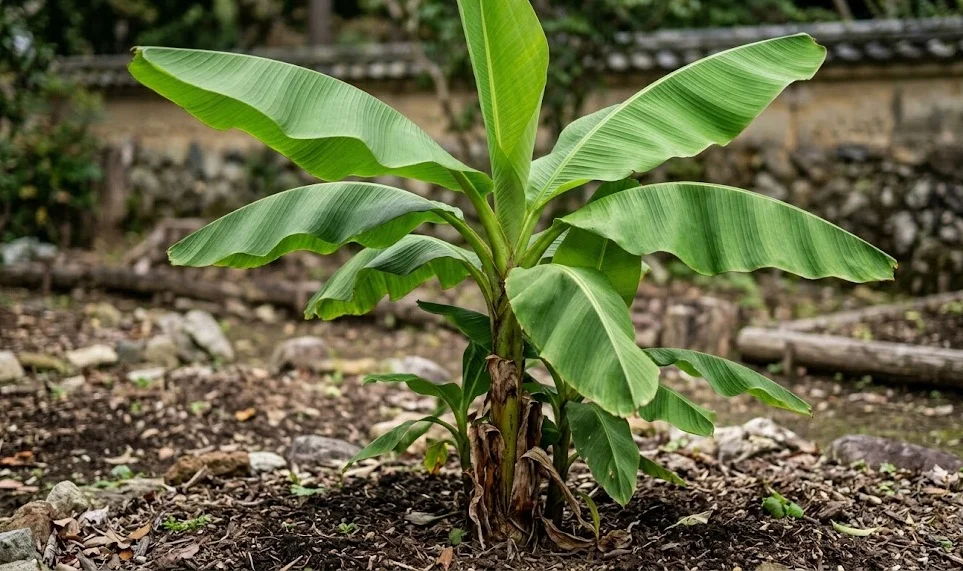

Pruning and cutting back the Japanese banana are essential maintenance tasks that go beyond simple aesthetics, directly impacting the plant’s health and its ability to withstand the seasons. While these plants do not require the complex structural pruning of fruit trees, they do need regular attention to remove spent foliage and manage their overall size. Knowing when and how to use your shears can prevent the spread of disease, encourage new growth, and prepare the plant for its winter dormancy. A well-pruned banana not only looks more attractive but is also more resilient to environmental stressors.
The purpose and timing of pruning
The primary reason to prune a Japanese banana is to manage its massive biomass and keep the plant looking its best throughout the growing season. Because the leaves are so large and grow so quickly, they naturally age and die off as new ones emerge from the center of the crown. Removing these old, yellowing, or tattered leaves is a constant task that prevents the plant from looking messy and reduces the weight on the pseudostem. Pruning also improves air circulation through the canopy, which is a key factor in preventing fungal diseases.
Timing is a critical factor when it comes to more significant pruning, such as cutting the plant back for the winter or dividing the rhizome. General maintenance pruning of dead or damaged leaves can be done at any time during the spring and summer. However, you should avoid heavy pruning of healthy tissue during the peak of the growing season unless it is absolutely necessary for space management. Every healthy leaf you remove is a loss of photosynthetic potential for the plant, so it’s usually best to let them stay until they begin to decline naturally.
As the growing season ends and the first frost arrives, the nature of pruning changes from aesthetic maintenance to survival preparation. This is when the most dramatic cutting back occurs, as the frost-killed foliage must be removed to prevent rot. Many gardeners choose to cut the entire plant down to a short stump at this point to make it easier to mulch and protect. This late-autumn pruning signals the end of the year’s growth and sets the stage for the plant’s winter rest.
In the spring, a different type of “cleanup” pruning is often required to remove any tissue that may have rotted or dried out over the winter. This involves cutting back the top of the pseudostem until you reach the firm, green, living core. This “refreshment” pruning ensures that the new growth has a clear and healthy path to emerge from the center. Understanding these different phases of pruning allows you to work with the plant’s natural life cycle rather than against it.
More articles on this topic
Techniques for leaf and stem removal
When it comes to removing individual leaves, the technique is straightforward but requires a bit of care to avoid damaging the main body of the plant. Always use a very sharp knife or a pair of bypass loppers to ensure a clean cut, as ragged edges can become entry points for pathogens. Cut the leaf stalk as close to the pseudostem as possible without actually cutting into the stem itself. If the leaf is only partially damaged, you can choose to trim away the brown edges, but it is often more effective to remove the entire leaf if more than half of it is unsightly.
The pseudostem itself is actually a “false stem” made of tightly wrapped leaf bases, which means it is quite soft and full of water. When you need to cut through it, you will find that it offers very little resistance compared to woody plants. However, the sheer size and weight of a large stem mean you should work in sections if you are cutting down a tall plant. Start at the top and remove the leaves first, then cut the stem into manageable chunks to avoid it falling and damaging nearby plants or yourself.
After making a significant cut, you may notice a clear, watery sap dripping from the wound, which is perfectly normal for a healthy banana. This sap can be quite sticky and may stain clothing or stone surfaces, so it’s a good idea to wear gloves and be mindful of where the material falls. The plant will naturally “seal” the wound over time as the outer layers dry out. There is no need to use wound dressings or paints on a banana plant; its own internal pressure and rapid growth are its best defense.
Maintaining your tools is a vital part of the pruning process that is often overlooked. Because banana sap is rich in sugars and moisture, it can quickly gum up the blades of your shears and encourage the growth of rust. Always wipe your tools clean and dry them thoroughly after each pruning session. Periodically sharpening the blades will make your work much easier and ensure that the cuts you make are as clean as possible, which is better for the long-term health of the plant.
More articles on this topic
Managing pups and structural thinning
As a Japanese banana matures, it will inevitably produce multiple “pups” or offsets from its base, eventually forming a large, multi-stemmed colony. While this can look very impressive, an overcrowded grove can lead to competition for light, water, and nutrients. Pruning these pups is an essential part of structural management to ensure the main stems have enough room to reach their full potential. Deciding which pups to keep and which to remove depends on the look you want to achieve for your garden.
If you prefer a single, massive specimen, you should remove all the pups as soon as they appear, allowing the mother plant to receive all the resources from the rhizome. This results in the tallest and thickest possible pseudostem. Most gardeners, however, prefer a “clump” of three to five stems of varying heights for a more natural, tropical look. In this case, you should selectively prune away the extra pups, leaving only the strongest and most well-spaced individuals to grow on.
Removing a pup involves more than just cutting it off at ground level, as it will simply grow back from the rhizome if the growing point is left intact. To permanently remove an offset, you must use a sharp spade to cut it away from the parent rhizome, ideally taking some roots with it if you intend to replant it elsewhere. If you just want to get rid of it, a deep cut that severs the connection to the mother plant is usually sufficient. This thinning should be done regularly throughout the summer to keep the colony under control.
Structural pruning also involves assessing the overall balance and stability of the plant cluster. If one stem is leaning heavily or appears to be crowding out its neighbors, it may be better to remove it entirely to benefit the rest of the group. Thinner, weaker stems that are shaded by the larger ones are also good candidates for removal. By being proactive with your thinning, you ensure that your banana grove remains a healthy, vibrant, and manageable part of your landscape.