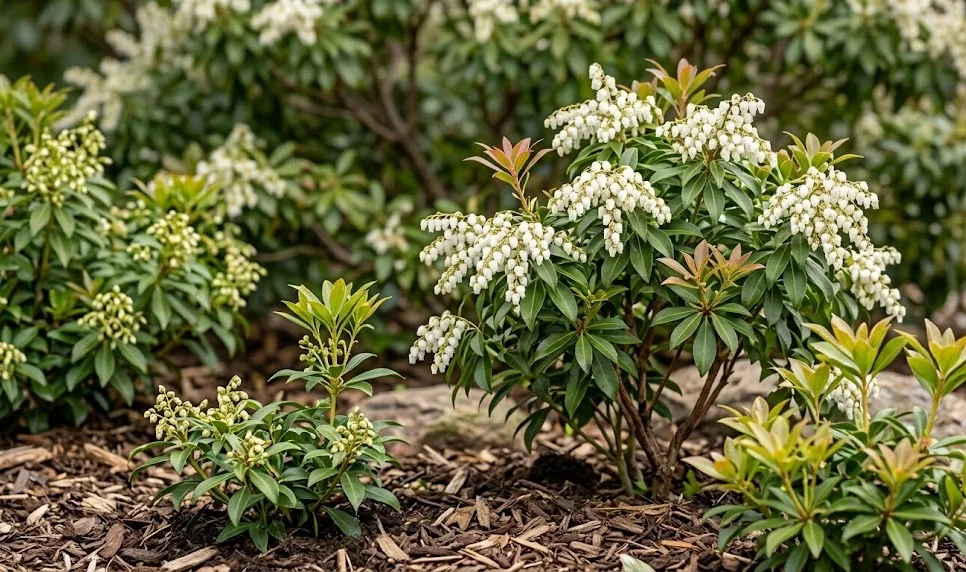

Maintaining the health of Japanese andromeda involves a proactive approach to identifying and managing the various biological threats that can compromise its vigor. While this shrub is generally resilient when grown in its ideal conditions, it can become susceptible to specific pathogens and insects when stressed by environmental factors. You must learn to recognize the early warning signs of trouble, such as discolored foliage or stunted growth, to intervene before the problem becomes widespread. A professional gardener knows that prevention through proper care is always the most effective defense against any pest or disease.
Fungal diseases are among the most common issues faced by this species, particularly in regions with high humidity or frequent rainfall. These pathogens often thrive when there is poor air circulation around the plant or when the foliage remains wet for extended periods. You should regularly inspect the leaves and stems for spots, powdery coatings, or signs of decay that could indicate an active infection. Understanding the life cycle of these fungi allows you to apply treatments at the most effective time and to modify the environment to discourage their growth.
Insects can also pose a significant threat, with some species specifically targeting the Japanese andromeda and its close relatives. These pests can cause physical damage by piercing the plant tissues to suck out sap or by consuming the leaves directly, which weakens the specimen over time. Some insects also act as vectors for viral or bacterial diseases, compounding the damage they do to the plant’s health. Identifying the specific pest is crucial, as the control methods for a beetle will be very different from those used for a microscopic mite.
Integrated Pest Management (IPM) is the professional standard for dealing with these challenges, emphasizing a combination of cultural, biological, and chemical controls. This approach starts with the least toxic methods, such as manual removal of pests or improving the plant’s growing conditions, before moving to targeted sprays. By using a variety of strategies, you can manage the problem effectively while minimizing the impact on beneficial insects and the broader garden ecosystem. Consistency and vigilance are your best tools for keeping your shrubs in peak condition year-round.
Identifying and managing fungal infections
Leaf spot is a frequent fungal issue that manifests as small, dark brown or black lesions on the foliage, often surrounded by a yellow halo. If left untreated, these spots can merge, causing entire leaves to turn brown and drop prematurely from the plant. This disease is most active during cool, wet spring weather when the spores can easily spread from leaf to leaf via splashing water. You can reduce the risk by thinning out nearby vegetation to improve airflow and by watering only at the base of the plant to keep the leaves dry.
More articles on this topic
Phytophthora root rot is a much more serious condition that affects the vascular system of the shrub and is often fatal if not caught very early. The symptoms include a sudden wilting of the foliage, even when the soil is moist, and a noticeable darkening of the stem at the soil line. This pathogen thrives in heavy, poorly drained soils where the roots are starved of oxygen and become vulnerable to attack. The best way to manage this disease is through prevention, ensuring that the planting site has impeccable drainage and that the soil is never allowed to become stagnant.
Powdery mildew can occasionally appear as a white, flour-like coating on the surface of the leaves, particularly during the warm, humid days of late summer. While it is rarely fatal, it can significantly detract from the appearance of the plant and reduce its ability to photosynthesize effectively. You can manage mild cases by spraying the foliage with a mixture of water and potassium bicarbonate or a specialized horticultural oil. Selecting resistant varieties when you first plant is also an excellent long-term strategy for avoiding this unsightly fungal issue.
Dieback caused by various fungal pathogens can result in individual branches suddenly turning brown and dying while the rest of the plant remains healthy. This is often a sign that the fungus has entered through a wound or a pruning cut during periods of high moisture. You should promptly prune out any affected branches, cutting back into healthy green wood to ensure all of the infected tissue is removed. Sterilizing your pruning tools between every cut with rubbing alcohol is a professional practice that prevents you from spreading the disease to other parts of the plant.
Common insect pests and their control
The Pieris lace bug is the most notorious pest of the Japanese andromeda, causing a distinctive stippling or “bleached” appearance on the upper side of the leaves. These tiny insects live on the undersides of the foliage, where they suck the life-sustaining juices from the plant cells. Upon close inspection, you may see small, dark spots of excrement on the leaf bottoms, which is a definitive sign of their presence. You can control lace bugs by applying insecticidal soap or neem oil, making sure to thoroughly coat the undersides of the leaves where the insects hide.
More articles on this topic
Spider mites can become a problem during hot, dry weather, leading to a dulling of the leaf color and the appearance of fine webbing between the stems. These microscopic pests multiply rapidly in dusty conditions, and a severe infestation can lead to significant leaf drop and a decline in the plant’s overall health. You can often keep mite populations in check by regularly hosing down the foliage with a strong stream of water to disrupt their webs and wash them away. If the problem persists, specialized miticides or horticultural oils may be necessary to gain control over the population.
Scale insects are another potential threat, appearing as small, immobile bumps on the stems or the undersides of the leaves that look like part of the plant. They protect themselves under a waxy shell and feed on the plant’s sap, often secreting a sticky substance known as honeydew. This honeydew can then host black sooty mold, which further disfigures the plant and interferes with its growth. Dealing with scale involves applying horticultural oils during the dormant season to suffocate the insects or using systemic treatments during their active crawling phase.
Black vine weevils are a more insidious pest because the most significant damage is done by their larvae, which feed on the roots beneath the soil surface. The adult weevils are nocturnal and chew characteristic C-shaped notches in the edges of the leaves, which is often the first visible sign of an infestation. If you notice this leaf damage, you may need to apply beneficial nematodes to the soil to kill the larvae before they can destroy the root system. Managing both the adult and larval stages is essential for protecting your shrubs from this destructive insect.
Cultural practices for disease prevention
The most effective way to protect your Japanese andromeda from pests and diseases is to maintain its health through impeccable cultural practices. A plant that is growing in its ideal soil pH, receiving the correct amount of water, and situated in the right light will have a naturally strong immune system. Stress is the primary factor that invites opportunistic pathogens and insects to attack, so avoiding drought and nutrient imbalances is your first line of defense. Professional gardeners understand that a “happy” plant is far more capable of defending itself than one that is struggling to survive.
Proper spacing between plants is a simple but critical factor in disease prevention that is often overlooked during the initial planting phase. When shrubs are crowded together, air cannot circulate freely through the canopy, creating a stagnant, humid microclimate that is perfect for fungal spores. You should research the mature size of your specific variety and ensure that there is plenty of room for air to move even after the plant has reached its full growth. This simple step can significantly reduce the incidence of leaf spot and powdery mildew in your garden.
Sanitation is another professional habit that can prevent the spread of diseases from one season to the next. You should regularly remove any fallen leaves or debris from around the base of the plant, as these materials can harbor overwintering fungal spores and insect eggs. If you have pruned out diseased wood, you should dispose of it in the trash rather than adding it to your compost pile where the pathogens might survive. Keeping the area under and around your shrubs clean is a low-effort way to maintain a much healthier environment.
Finally, you should be very careful when using tools in the garden, as they can easily transport microscopic pathogens from one plant to another. Always clean your shovels, rakes, and especially your pruning shears after working on a plant that shows signs of illness. A quick dip in a solution of ten percent bleach or a thorough wipe with alcohol is all it takes to break the chain of infection. This disciplined approach to tool maintenance is a hallmark of professional horticulture and is essential for managing a collection of sensitive plants.
Using organic and chemical treatments wisely
When cultural controls are not enough to manage a pest or disease outbreak, you may need to turn to organic or chemical treatments to save your plant. It is important to choose products that are specifically labeled for use on ericaceous plants and for the particular problem you are facing. You should always read the entire label before application, as some treatments can be phytotoxic to Japanese andromeda if used at the wrong temperature or concentration. Starting with the least persistent and most targeted options is always the wisest course of action.
Neem oil and insecticidal soaps are excellent organic choices for managing soft-bodied insects like lace bugs and mites with minimal impact on the environment. These products work by physical contact, meaning you must ensure complete coverage of the affected areas for them to be effective. They have the added benefit of having low toxicity to humans and pets, making them suitable for use in residential gardens. However, they may need to be reapplied several times to catch new generations of insects as they hatch from their eggs.
For persistent fungal issues, copper-based fungicides or sulfur sprays can provide a protective barrier that prevents spores from germinating on the leaf surface. These treatments are most effective when applied as a preventative measure before the disease becomes widespread, especially during periods of wet weather. You should avoid applying these products during the heat of the day or when the plant is under water stress, as this can cause the leaves to burn. Professional application involves timing the sprays to coincide with the most vulnerable stages of the fungal life cycle.
Systemic insecticides are a more powerful tool that is absorbed by the plant and provides long-lasting protection from the inside out. These are often used for difficult pests like scale or root-feeding larvae that are hard to reach with contact sprays. However, you must use these with great caution, as they can also harm beneficial pollinators that visit the flowers in the spring. If you choose to use a systemic product, it is best to apply it after the bloom period has ended to minimize the risk to bees and other helpful insects.
Long-term strategies for a resilient garden
Building a resilient garden is an ongoing process that involves more than just reacting to the problems of today. You should consider the overall biodiversity of your landscape, as a variety of plants will attract predatory insects that naturally keep pest populations in check. Ladybugs, lacewings, and parasitic wasps are all valuable allies in the fight against lace bugs and mites. By avoiding the indiscriminate use of broad-spectrum pesticides, you can foster a balanced ecosystem where the “good bugs” do much of the work for you.
Selecting the right cultivars for your specific region is another key to long-term success with Japanese andromeda. Some newer varieties have been bred specifically for increased resistance to lace bugs or better tolerance for heat and humidity. Before you purchase a new plant, you should talk to local experts or nursery professionals to find out which varieties have performed best in your area. Starting with a genetically superior specimen is one of the easiest ways to ensure a lifetime of healthy growth with minimal intervention.
Regularly monitoring your plants throughout the year will help you develop a “sixth sense” for their health and well-being. You will begin to notice subtle changes in the glossiness of the leaves or the angle of the stems that can indicate the very beginning of a problem. Catching an infestation or an infection in its earliest stages makes the management much simpler and prevents the plant from losing too much energy. This deep connection with your garden is what separates the casual hobbyist from the professional horticulturalist.
Finally, remember that perfection is rarely achieved in nature, and a few spots on a leaf or a minor insect presence is often not a cause for alarm. The goal is to keep the plant healthy enough that these minor issues do not affect its overall growth or its ability to produce beautiful flowers. By focusing on the “big picture” of soil health, proper watering, and correct placement, you create a foundation of resilience that can withstand most challenges. Your Japanese andromeda will reward this holistic care with its stunning, year-round presence in your landscape.