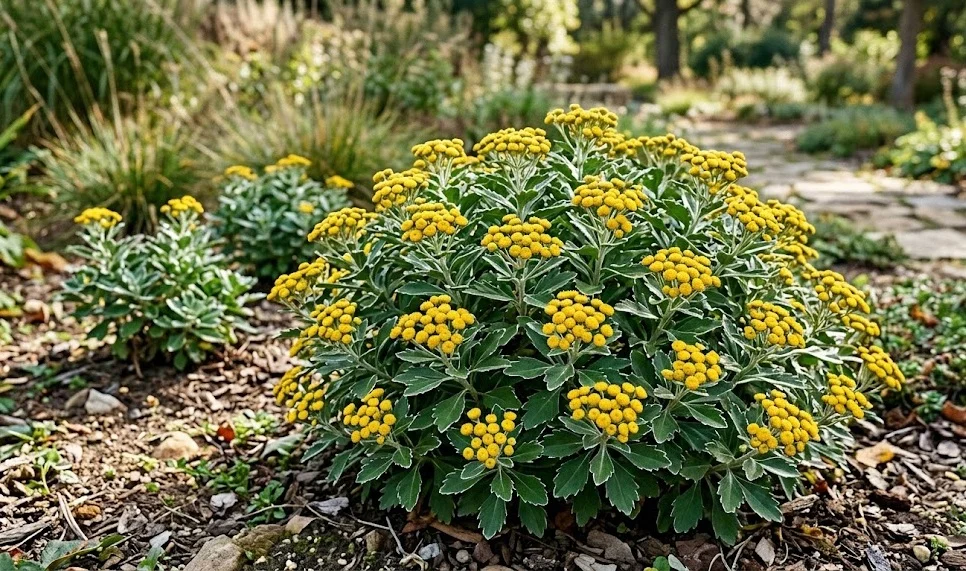

Protecting the Japanese gold chrysanthemum from biological threats is a critical component of professional landscape management. While this plant is inherently sturdy, its dense foliage and unique growth habit can sometimes attract unwanted guests or harbor pathogens. Early detection and an understanding of the common enemies are your best defenses in maintaining a pristine garden. By implementing a proactive health strategy, you can ensure that your chrysanthemums remain a highlight of the late-season garden.
The compact, mounded shape of the plant, while aesthetically pleasing, can create a humid microclimate within the leaves. This environment is unfortunately ideal for several types of fungal infections that can spread quickly if left unchecked. Gardeners must balance the desire for a lush appearance with the practical need for air circulation through the center of the plant. Regular thinning and proper spacing are fundamental techniques for reducing the risk of disease outbreaks.
Insect pests are another challenge, ranging from tiny sap-suckers to larger leaf-chewing larvae. While the plant is not their primary host in many regions, it can still suffer significant damage during peak pest seasons. Understanding the lifecycle of these insects allows for more targeted and effective interventions that minimize the use of harsh chemicals. A professional gardener prioritizes biological controls and mechanical removal before turning to more intensive treatments.
Maintaining the overall vigor of the plant is perhaps the most effective way to prevent serious disease and pest issues. A stressed plant is much more likely to fall victim to opportunistic pathogens than one that is well-watered and properly fed. By following the best practices for planting and care, you create a natural resilience that can withstand minor infestations. This article explores the most common threats and the professional methods used to keep them at bay.
Common fungal pathogens and rot
The most frequent disease issues for the Japanese gold chrysanthemum are related to excessive moisture and poor air circulation. Botrytis, or grey mold, can appear during cool, damp periods, affecting both the foliage and the developing flower buds. It typically starts as water-soaked spots that quickly turn into a fuzzy grey coating of spores. Removing infected parts immediately and improving the airflow around the plant are the first steps in controlling this pathogen.
More articles on this topic
Powdery mildew is another common fungal visitor, appearing as a white, flour-like dusting on the surface of the silver leaves. While it rarely kills the plant, it significantly detracts from its ornamental value and can weaken it over time. It thrives in conditions where the days are warm and the nights are cool and humid. Avoiding overhead watering and ensuring the plant is in a sunny, breezy location are the best ways to prevent this unsightly infection.
Root and crown rot are the most serious fungal threats, often caused by the Phytophthora or Pythium species in waterlogged soil. These soil-borne pathogens attack the vascular system of the plant, leading to sudden wilting and death. Because these issues occur underground, they are often not noticed until it is too late to save the specimen. Prevention through the use of well-draining soil and careful irrigation is the only reliable way to manage these deadly rots.
Rust is a specific fungal disease that manifests as small, orange or brown pustules on the underside of the leaves. Infected leaves may turn yellow and drop prematurely, reducing the plant’s ability to photosynthesize. Rust spores are often spread by splashing water or wind, making it important to keep the foliage as dry as possible. If rust is detected, it is professional practice to remove and destroy the affected leaves to prevent the spores from overwintering.
Leaf spot and foliage issues
Septoria leaf spot is a common ailment that starts as small, dark brown or black spots on the lower leaves. As the disease progresses, these spots can merge, causing the entire leaf to wither and fall off. This pathogen typically moves from the bottom of the plant upward, often during periods of frequent rainfall. Cleaning up fallen debris around the base of the plant is essential, as the fungus can survive in dead organic matter.
More articles on this topic
Nematodes, specifically foliar nematodes, are microscopic worms that can cause wedge-shaped brown areas between the leaf veins. These pests move in the film of water on the surface of the plant and enter through the stomata. Once inside, they feed on the internal tissues, leading to localized leaf death and eventual defoliation. Because they are so small, their presence is usually only confirmed by the characteristic damage patterns they leave behind.
Environmental leaf scorch can sometimes be mistaken for disease, but it is actually a physiological response to stress. This occurs when the plant loses water through its leaves faster than the roots can replace it, usually during hot, windy weather. The edges of the silver leaves will turn brown and crispy, often starting from the tips and moving inward. Providing temporary shade and ensuring deep watering during extreme heat can help prevent this non-pathogenic issue.
Chlorosis, or yellowing of the leaves while the veins remain green, is usually a sign of nutrient deficiency or soil pH imbalance. If the soil is too alkaline, the plant cannot absorb essential minerals like iron and manganese. This weakened state makes the plant much more susceptible to secondary infections and pest attacks. Professional gardeners use soil acidifiers or chelated iron sprays to correct this issue and restore the plant’s natural defenses.
Managing common insect pests
Aphids are the most ubiquitous insect pest, often clustering on the tender new growth and the undersides of the leaves. They feed by sucking the sap from the plant, which can cause the leaves to curl and become distorted. Aphids also secrete a sticky substance called honeydew, which can attract ants and provide a medium for sooty mold to grow. A strong stream of water can often dislodge them, but more persistent infestations may require insecticidal soap.
Spider mites are tiny, nearly invisible pests that thrive in hot, dry conditions where the chrysanthemum might be slightly stressed. They cause a characteristic stippling or pale spotting on the leaves as they drain the contents of individual plant cells. In severe cases, you may notice fine webbing between the stems or on the undersides of the foliage. Increasing the humidity around the plant and using neem oil are professional methods for keeping spider mite populations under control.
Thrips are small, slender insects that can damage both the leaves and the developing flower buds. Their feeding creates silvery streaks or flecks on the foliage, and they can cause flower buds to open unevenly or turn brown. Thrips are particularly difficult to manage because they are highly mobile and spend part of their life cycle in the soil. Using blue or yellow sticky traps can help monitor their presence and reduce their numbers in the immediate vicinity.
Caterpillars and other leaf-chewing larvae may occasionally find their way to your Japanese gold chrysanthemum. While a few holes in the leaves are mostly an aesthetic issue, a large population can quickly defoliate a small plant. Hand-picking the larvae in the evening or early morning is the most direct and environmentally friendly way to handle them. For larger outbreaks, biological controls like Bacillus thuringiensis (Bt) can be used to specifically target the caterpillars without harming beneficial insects.
Preventative measures and garden hygiene
The best way to handle pests and diseases is to prevent them from ever gaining a foothold in your garden. This starts with selecting high-quality, disease-free plants from reputable nurseries and inspecting them thoroughly before planting. Quarantining new additions for a week or two can also prevent the accidental introduction of pests to your established beds. Maintaining a clean garden environment by removing fallen leaves and spent flowers is a fundamental professional practice.
Proper spacing is perhaps the most underrated tool in the gardener’s belt for disease prevention. By allowing plenty of room between plants, you ensure that sunlight can reach all parts of the foliage and that air can move freely. This helps moisture evaporate quickly after rain or dew, depriving fungal spores of the damp conditions they need to germinate. A well-spaced garden is not only healthier but also easier to inspect and maintain on a regular basis.
Disinfecting your pruning tools between plants is a critical step that many amateur gardeners overlook. Fungal spores and bacteria can easily hitch a ride on shears or knives, spreading infection from a sick plant to a healthy one. A simple dip in a solution of 10% bleach or 70% isopropyl alcohol is enough to kill most common pathogens. This small habit can save you hours of labor and the cost of replacing valuable plants in the long run.
Crop rotation and diversity also play a role in long-term pest and disease management for perennials. While the Japanese gold chrysanthemum is a permanent fixture, surrounding it with different types of plants can break the lifecycle of specialized pests. Avoid planting large monocultures, which can act as a “buffet” for insects and allow diseases to sweep through the entire area. A diverse, healthy ecosystem is naturally more balanced and resistant to catastrophic outbreaks.
Biological control and organic treatments
When intervention is necessary, professional gardeners always look for the least toxic options first to protect the surrounding environment. Encouraging natural predators like ladybugs, lacewings, and hoverflies can provide a self-sustaining solution to many pest problems. These “beneficials” feed on aphids, mites, and other small insects, keeping their populations at manageable levels. Planting a variety of flowering herbs nearby can help attract and support these helpful garden allies.
Neem oil is a versatile organic treatment that works as both an insecticide and a fungicide. It is effective against a wide range of pests, including aphids and mites, and can also help suppress powdery mildew. Because it is derived from a natural source, it is safer for humans and pets, but it should still be used with caution. Always apply neem oil in the evening to avoid harming bees and to prevent the oil from burning the leaves in direct sunlight.
Insecticidal soaps are another excellent tool for managing soft-bodied insects like aphids and whiteflies. These soaps work by breaking down the outer shell of the insect, leading to dehydration and death. They must come into direct contact with the pest to be effective, so thorough coverage of the plant is necessary. Since they have no residual effect, they are very safe for the environment but may require repeat applications for complete control.
For fungal issues, a simple baking soda spray or a diluted milk solution can sometimes be surprisingly effective against mildews. More persistent fungal problems may require copper-based or sulfur-based organic fungicides, which have been used by professionals for decades. Always follow the label instructions carefully and test a small area of the plant first to ensure it is not sensitive to the treatment. The goal is to return the plant to health with the minimal possible impact on the garden’s delicate biological balance.