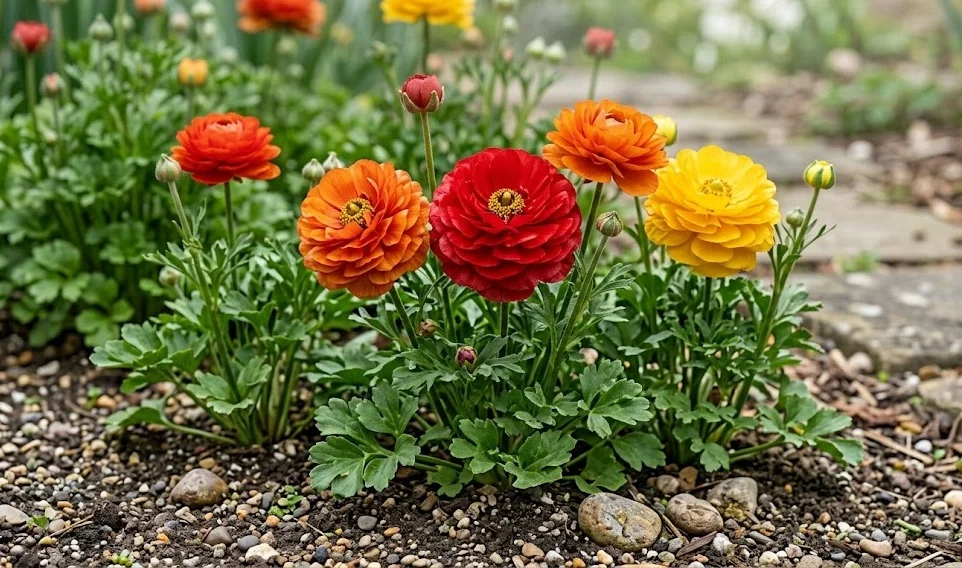

Mastering the balance of hydration and nutrition is essential for producing the large, rose-like blooms that characterize this species. You must develop a keen eye for the moisture levels of the soil, as both drought and saturation can be equally detrimental to the plant’s health. Providing the right nutrients at the correct developmental stages ensures that the plant has the energy required for its intensive flowering cycle. A professional approach involves monitoring the plant’s response to your inputs and making subtle adjustments based on the weather and growth phase.
The fundamentals of irrigation revolve around the concept of “deep but infrequent” watering to encourage a robust and resilient root system. You should apply water directly to the base of the plant, avoiding the foliage and flowers to minimize the risk of fungal infections. Early morning is the ideal time for this task, as it allows any accidental moisture on the leaves to evaporate quickly as the day warms up. During the peak of the growing season, you may need to increase the frequency, but always check the soil several centimeters deep before adding more water.
Advanced watering techniques include the use of drip irrigation or soaker hoses to provide a consistent and controlled supply of moisture. These systems are highly efficient because they deliver water slowly, allowing it to penetrate deep into the root zone without causing surface runoff. You can also use moisture meters to get a precise reading of the hydration levels at the tuber depth, removing the guesswork from your maintenance routine. Proper drainage remains the most important partner to irrigation, ensuring that excess water can always escape the root environment.
Nutritional requirements shift as the plant moves from the vegetative stage to the reproductive phase of its life. During the early weeks, a fertilizer with a slightly higher nitrogen content will support the development of lush, green foliage. Once the flower buds begin to form, you should transition to a formula that is richer in phosphorus and potassium to promote strong stems and vibrant petals. Applying these nutrients in a diluted form more frequently is often more effective than providing a single large dose that could burn the sensitive roots.
Identifying nutrient deficiencies early allows you to intervene before the plant’s overall health is compromised and the floral display is ruined. Yellowing between the veins of the leaves often points to a lack of magnesium or iron, while stunted growth can indicate a general nitrogen deficiency. You should also watch for weak, floppy stems, which might suggest that the plant needs more potassium to strengthen its cellular structure. Soil testing is a professional tool that can provide a definitive roadmap for your fertilization strategy, ensuring you provide exactly what is missing.