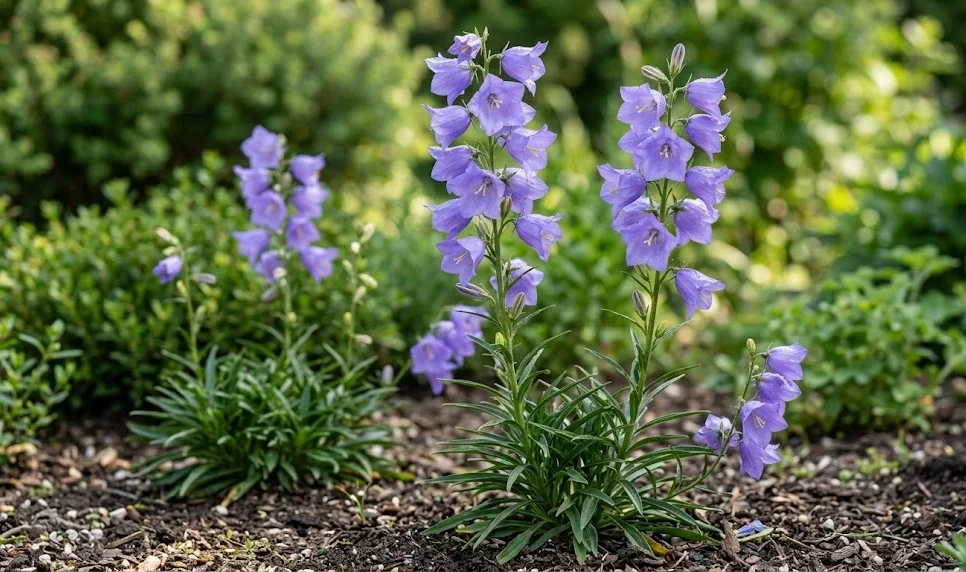

Overwintering the peach-leaved bellflower is a straightforward process, but doing it correctly ensures that your plants return with even greater vigor the following spring. This perennial is naturally hardy in many temperate zones, meaning it has evolved to withstand freezing temperatures and dormant periods. However, the transition from the lush growth of summer to the harsh conditions of winter requires some preparation to protect the root system and the basal foliage. By following a few professional steps, you can safeguard your plants against the most common winter threats, such as desiccation and crown rot.
The primary goal of overwintering is to keep the plant in a stable state of dormancy until the warmth of spring triggers new growth. Fluctuating temperatures, where the ground freezes and thaws repeatedly, can be more damaging than a consistent, deep freeze. This process, known as frost heaving, can actually push the plant out of the ground, exposing its sensitive roots to the cold air. Providing a consistent environment through proper mulching and site selection is the best way to prevent this from happening to your bellflowers.
While the tall flower spikes die back completely after the first hard frost, the peach-leaved bellflower often maintains a small rosette of green leaves at its base. These leaves are surprisingly resilient and can often survive under a blanket of snow, which actually acts as an excellent insulator. You should resist the urge to cut these basal leaves back too aggressively, as they provide a bit of natural protection for the crown of the plant. Understanding what to prune and what to leave is a key part of successful winter maintenance.
Monitoring moisture levels during the winter is also important, although it is often overlooked by many gardeners. While the plant is dormant and needs much less water, the soil should not be allowed to become completely bone-dry, especially during a winter with little snowfall. On the other hand, soil that remains waterlogged throughout the winter is the leading cause of root rot in perennials. Finding that middle ground of “moist but well-drained” is just as important in January as it is in June.
Preparing the garden for frost
As the temperatures begin to drop in late autumn, you should start your winter preparations by cleaning up the area around your bellflowers. Remove any remaining dead flower stalks and any fallen leaves from other trees that might be smothering the basal rosette. This cleanup reduces the hiding places for pests and prevents the buildup of excess moisture that can lead to fungal issues. A tidy garden bed is not just about aesthetics; it is a functional part of your plant’s winter survival strategy.
More articles on this topic
Applying a fresh layer of organic mulch is perhaps the most important step you can take to protect your bellflowers from the cold. A two- to three-inch layer of shredded bark, straw, or leaf mold will act as an insulating blanket for the soil. This helps maintain a more constant temperature in the root zone and prevents the frost heaving mentioned earlier. Be careful to keep the mulch a few inches away from the center of the rosette to allow for some air circulation around the crown.
In regions where winter winds are particularly harsh and drying, you might consider providing some extra physical protection. A few evergreen boughs placed loosely over the plants can help break the wind and catch snow, which provides additional insulation. This is especially helpful for younger plants or those that were divided and replanted late in the season. These simple, low-tech solutions are often the most effective ways to ensure your perennials make it through a tough winter unscathed.
Checking the soil’s drainage one last time before the ground freezes can save your plants from the dangers of winter wetness. If you notice any areas where water tends to pool, you can gently fork the soil to improve aeration or even create small drainage channels. Perennials like the bellflower are incredibly tough when it comes to cold, but they are very vulnerable to “wet feet” during their dormant period. Ensuring that excess water can move away from the plant is a hallmark of professional winter preparation.
Managing the dormant period
Once the garden is settled for the winter, your primary job is to keep a watchful eye on the weather and the condition of your mulch. After a particularly heavy windstorm, check to see if your mulch or protective boughs have been blown away and replace them if necessary. If you experience a long period of dry, cold weather without snow, you may even need to give the plants a light watering on a day when the ground is not frozen. This prevents the roots from becoming completely desiccated, which can be fatal to the plant.
Avoid the temptation to fertilize your bellflowers during the winter months, even if you experience a warm spell. Adding nutrients now would encourage the plant to produce new growth that would be immediately killed by the next freeze. The plant needs this period of rest to build up its internal reserves and prepare for the massive energy expenditure of spring flowering. Respecting the natural cycle of dormancy is a fundamental principle of professional perennial care and long-term garden health.
If you are growing your peach-leaved bellflowers in containers, they will require a bit more attention than those in the ground. Because the soil in a pot is more exposed to the air, it can freeze and thaw much more rapidly, which is stressful for the roots. You can protect container plants by moving them to a sheltered spot, such as against a south-facing wall or inside an unheated garage. Wrapping the pots in burlap or bubble wrap can also provide an extra layer of insulation against the biting cold.
Winter is also a great time to plan for the upcoming season while your bellflowers are tucked away safely. You can review your garden notes from the previous year and decide if any plants need to be moved or divided once spring arrives. Look through seed catalogs and dream of new combinations that will complement your existing bellflower displays. This mental preparation is part of the joy of gardening, keeping you connected to your outdoor space even when it is covered in frost.
Spring awakening and recovery
As the days begin to lengthen and the soil starts to warm, you will see the first signs of life returning to your bellflowers. The basal rosette will start to produce new, bright green leaves, signaling that it is time to begin your spring maintenance routine. Gradually remove the winter mulch and any protective boughs to allow the sun to reach the soil and the base of the plant. Doing this in stages prevents the tender new growth from being shocked by a sudden exposure to the elements.
This is the perfect time to inspect your plants for any signs of winter damage or frost heaving that may have occurred. If a plant has been pushed up out of the soil, gently press it back down and add a little fresh compost around the roots to protect them. Trim away any brown or tattered leaves from the winter to make room for the fresh growth and to improve the plant’s appearance. A quick cleanup now will give the plant a clean slate and help prevent any pests or diseases from getting an early start.
Apply your first light application of a balanced fertilizer as soon as you see consistent new growth emerging from the center of the plant. This provides the necessary nutrients for the bellflower to begin building its tall flower spikes and lush foliage. Water the plants well after fertilizing to ensure the nutrients reach the root zone where they can be most effective. By providing this early boost, you are setting the stage for a spectacular summer display that will be the envy of the neighborhood.
Be patient with your plants as they wake up, as different cultivars may emerge at slightly different times depending on their specific genetics and location. Avoid the urge to dig in the soil too early, as you can easily damage the emerging shoots before they reach the surface. Once the danger of hard frost has passed, you can fully transition into your regular spring and summer care routine. Your well-overwintered bellflowers will reward your careful preparation with a stunning show of color and grace.