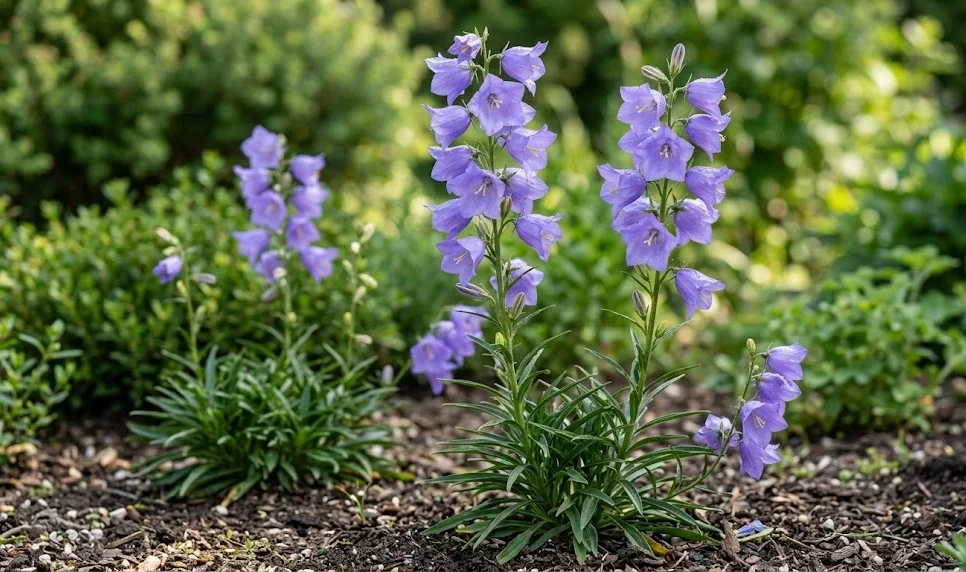

The peach-leaved bellflower is generally a robust and resilient plant, but like any living thing in the garden, it is susceptible to certain health challenges. Identifying these issues early is the key to preventing a minor problem from turning into a major infestation or disease outbreak. Professional gardeners rely on a combination of observation, prevention, and targeted treatments to keep their plants in top condition. By understanding the common pests and pathogens that affect this species, you can protect your investment and ensure your garden remains a healthy environment.
Fungal diseases are perhaps the most common issues you will encounter, often brought on by specific environmental conditions. Moisture on the leaves, poor air circulation, and fluctuating temperatures can all create the perfect breeding ground for spores. These diseases often manifest as spots on the leaves, powdery coatings, or even a sudden wilting of the entire plant. Maintaining a clean garden and using proper watering techniques are your first lines of defense against these invisible invaders.
Pests can also take a toll on the vigor and appearance of your bellflowers, ranging from tiny sap-sucking insects to larger leaf-eating creatures. While a few insects are a natural part of any garden ecosystem, an explosion in their population can quickly damage the foliage and flowers. Understanding the life cycles of these pests allows you to intervene at the most effective time, often using gentle methods before resorting to stronger chemicals. Promoting a garden full of natural predators, like ladybugs and birds, is also an essential part of an integrated pest management strategy.
Overall plant health is the best preventative measure you can take to avoid both diseases and pests. A stressed plant, whether from drought, poor nutrition, or incorrect lighting, is much more attractive to attackers and less able to recover from damage. By providing the optimal growing conditions we have discussed, you are essentially building an “immune system” for your bellflowers. When problems do arise, a professional approach involves diagnosing the cause accurately before deciding on the best course of action.
Combatting common fungal infections
Powdery mildew is a frequent visitor to the bellflower garden, appearing as a white, flour-like dusting on the leaves and stems. This fungus thrives in warm, dry days followed by cool, humid nights, and it can quickly spread if left unchecked. While it rarely kills the plant, it can significantly weaken it and make the foliage look unsightly during the peak of the season. Increasing the spacing between your plants to improve airflow is one of the most effective ways to prevent powdery mildew from taking hold.
More articles on this topic
Rust is another fungal disease that specifically targets the leaves of the bellflower, causing small, orange or brown pustules to form on the undersides. If you notice these spots, you should immediately remove and destroy the affected leaves to prevent the spores from spreading to healthy parts of the plant. Avoid putting diseased plant material in your compost pile, as the spores can survive the process and reinfect your garden later. Fungicides can be effective if used early, but cultural controls are usually the better long-term solution.
Crown rot is a more serious condition that affects the base of the plant, often causing it to collapse and die quite suddenly. This is usually the result of soil that is too wet or poorly drained, allowing soil-borne pathogens to attack the plant’s main structure. If you suspect crown rot, you should remove the entire plant and the surrounding soil to prevent the disease from spreading to its neighbors. Improving the drainage in that area is essential before you consider planting anything else in that spot.
Leaf spot diseases can also occur, appearing as dark, water-soaked lesions that eventually turn brown and dry out. These are often spread by splashing water, which is why watering at the base of the plant is so important for disease prevention. If a plant is heavily infected, cutting it back significantly can sometimes help it produce fresh, clean growth. Always clean your gardening tools with a disinfectant after working with a diseased plant to avoid carrying the infection around your garden.
Dealing with insect pests
Aphids are small, soft-bodied insects that congregate on the tender new growth and the undersides of leaves to suck the sap. They can cause the leaves to curl and become distorted, and they often leave behind a sticky substance called honeydew. A strong blast of water from a garden hose is often enough to dislodge them and keep their numbers under control. For more persistent infestations, an insecticidal soap or neem oil spray can be used without harming the environment or beneficial insects.
Slugs and snails are notorious for their love of bellflower foliage, especially during damp weather or in the early spring. They can chew large, ragged holes in the leaves and sometimes even consume young seedlings entirely overnight. Using physical barriers like copper tape or crushed eggshells can help deter them from reaching your plants. Encouraging natural predators like toads and ground beetles into your garden is a professional way to manage these slimy pests over the long term.
Spider mites are tiny creatures that are often only noticed when their fine webbing appears on the plant or when the leaves begin to look stippled and yellow. They thrive in hot, dry conditions and can multiply rapidly if the plant is under drought stress. Increasing the humidity around the plant and ensuring it is well-watered can help discourage spider mites from settling in. If an infestation is severe, a targeted miticide may be necessary, but usually, improving the plant’s environment will solve the problem.
Thrips are another small pest that can cause damage to the flowers, often leading to silvering or distortion of the delicate petals. They are very difficult to see with the naked eye, but their presence is usually marked by the damage they leave behind. Maintaining a clean garden and removing spent flowers promptly helps reduce the hiding places for thrips and other small insects. In a well-balanced garden, these pests are rarely a major issue, but it pays to keep a watchful eye during the blooming season.
Prevention and cultural controls
The most effective tool in your pest and disease management kit is your own set of eyes and a regular scouting routine. Take a few minutes each week to walk through your garden and look closely at the leaves, stems, and buds of your bellflowers. Catching a few aphids or a single spot of rust early makes management much easier and more successful. This proactive approach is the hallmark of a professional gardener who understands that prevention is always better than a cure.
Proper sanitation is another critical aspect of keeping your bellflowers healthy and free from recurring issues. At the end of each growing season, clear away any fallen leaves or dead stems where pests and pathogens might overwinter. This simple cleanup can drastically reduce the number of problems you face in the following spring. If you have had a particularly diseased plant, it is sometimes better to remove it entirely than to risk it becoming a source of infection for the rest of your garden.
Choosing resistant varieties is a smart way to set yourself up for success right from the beginning of your gardening journey. Some newer cultivars of the peach-leaved bellflower have been specifically bred to be more resistant to powdery mildew or rust. When buying new plants, look for those that appear healthy, with no signs of pests or spotting on the leaves. Starting with high-quality, vigorous plants gives you a significant advantage in maintaining a disease-free garden over the years.
Finally, remember that a few bugs or a bit of leaf damage is not the end of the world and is often a sign of a healthy, biodiverse garden. You do not need to aim for a sterile environment, as this often leads to more problems by killing off the beneficial insects that help you. A professional approach is about balance and knowing when a problem requires intervention versus when it can be left for nature to handle. By focusing on the overall health of your garden ecosystem, you create a beautiful and resilient space for your bellflowers to thrive.
Integrated pest management strategies
Integrated Pest Management, or IPM, is a professional philosophy that combines multiple strategies to manage pests in an environmentally sensitive way. It starts with cultural practices like proper watering and fertilization, then moves to mechanical controls like hand-picking pests or using water sprays. Only if these methods fail do you consider using biological controls or, as a last resort, targeted chemical treatments. This approach minimizes the impact on the environment while effectively protecting your bellflowers.
Biological controls involve introducing or encouraging natural enemies of the pests that are bothering your plants. For example, planting flowers like marigolds or dill nearby can attract hoverflies and parasitic wasps that feed on aphids. You can even purchase beneficial insects like ladybugs or lacewings to release into your garden if you have a specific pest problem. This creates a self-regulating system where the “good bugs” do the heavy lifting for you, reducing your workload and chemical use.
When chemical treatments are necessary, always choose the least toxic option first and apply it only to the affected area. Read the labels carefully and follow all safety precautions to protect yourself, your pets, and the local wildlife. Timing is also critical; for example, applying treatments in the evening after bees have finished foraging reduces the risk to these essential pollinators. A professional gardener is always mindful of the broader impact of their actions on the entire garden community.
Continual learning and observation will help you refine your IPM strategies for your specific garden over time. Every season is different, and what worked one year might need adjustment the next as weather patterns and pest populations shift. Keep notes in your garden journal about what worked and what didn’t to build a personalized guide for your garden’s health. With this professional mindset, you can enjoy the beauty of your peach-leaved bellflowers with the confidence that you can handle whatever nature throws your way.